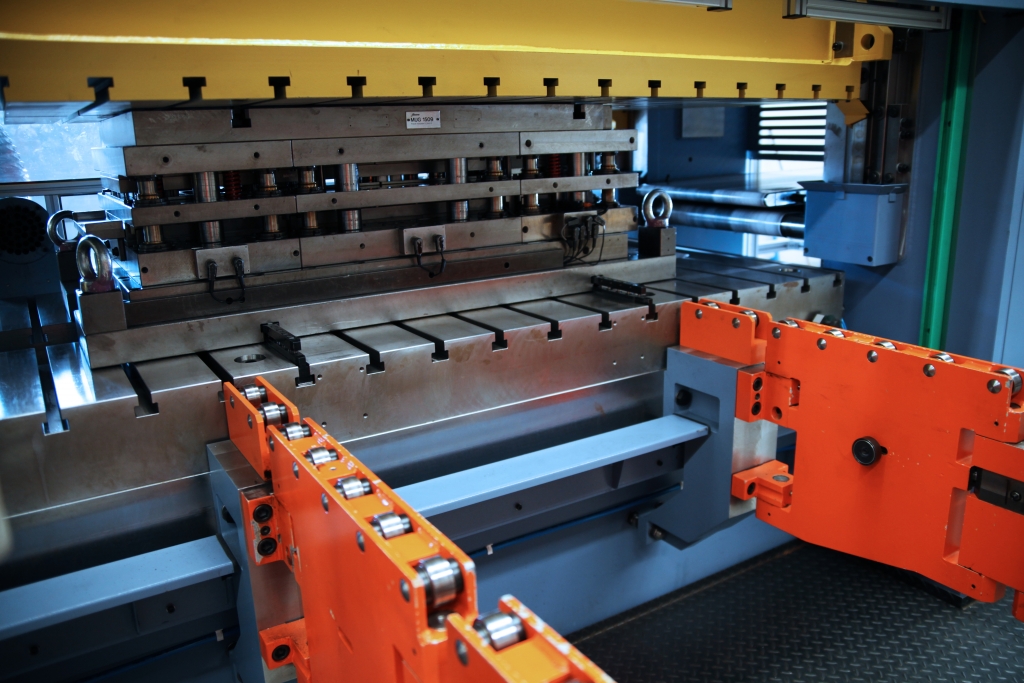
The environmental impact of steel stamping processes is a growing concern for manufacturers, suppliers, and end-users alike. As industries strive to balance productivity with environmental responsibility, understanding the ecological footprint of metalworking operations has become essential. Steel stamping, a foundational process in automotive, construction, and appliance manufacturing, involves shaping metal sheets into precise forms using high-pressure dies. While this technique is efficient and reliable, it also presents challenges related to energy consumption, waste generation, and emissions.
This article explores how steel stamping affects the environment, highlights sustainable practices that can reduce negative outcomes, and examines how innovation is shaping a greener future for the industry. For those interested in process optimization, our automated steel stamping systems overview provides additional insights into modernizing production with efficiency and sustainability in mind.
Understanding the Ecological Footprint of Metal Stamping
Steel stamping operations require significant amounts of energy, primarily to power presses and auxiliary equipment. The majority of this energy is sourced from electricity, which, depending on the grid mix, may contribute to greenhouse gas emissions. Additionally, the process generates scrap metal, lubricants, and other byproducts that must be managed responsibly.
Key environmental considerations include:
- Energy Use: High-tonnage presses and automation systems consume substantial power, leading to indirect emissions if fossil fuels are the primary energy source.
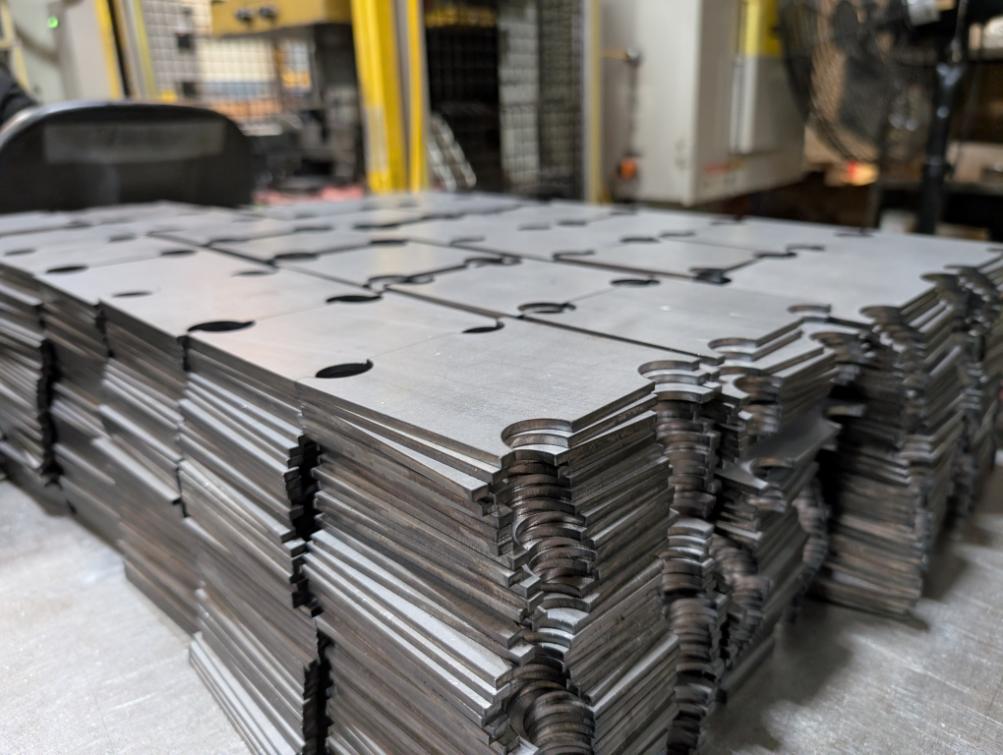
- Material Waste: Offcuts, trimmings, and rejected parts contribute to landfill waste unless recycled efficiently.
- Emissions and Pollution: Lubricants, coolants, and cleaning agents can introduce volatile organic compounds (VOCs) and hazardous substances into the environment if not handled properly.
- Water Consumption: Some stamping processes require water for cooling or cleaning, which can strain local resources and result in wastewater that must be treated.
Key Factors Influencing the Environmental Impact of Steel Stamping Processes
The overall ecological effect of steel forming depends on several variables, including the type of steel used, process efficiency, and the adoption of recycling and waste management practices. Manufacturers are increasingly aware of the need to minimize their environmental footprint and are adopting a range of strategies to achieve this.
Some of the most influential factors include:
- Material Selection: Using recycled steel or high-strength alloys can reduce the need for virgin material extraction and lower energy requirements during processing.
- Process Optimization: Implementing lean manufacturing principles, such as reducing setup times and minimizing scrap, helps to conserve resources and lower emissions. For more on optimizing production, see our guide on best practices for high-volume steel stamping.
- Waste Management: Effective collection, sorting, and recycling of scrap metal ensures that valuable resources are recovered and prevents unnecessary landfill use.
- Energy Efficiency: Upgrading to energy-efficient presses, motors, and lighting can significantly reduce operational carbon footprints.
Sustainable Practices in Modern Steel Stamping
As environmental regulations tighten and corporate responsibility becomes a priority, manufacturers are adopting sustainable approaches to reduce the environmental impact of steel stamping processes. Some of the most effective strategies include:
Closed-Loop Recycling Systems
Integrating closed-loop recycling within stamping facilities allows for the immediate reuse of scrap metal. This not only reduces waste but also lowers the demand for raw materials and energy. Many companies now partner with recycling firms to ensure that all byproducts are processed responsibly.
Eco-Friendly Lubricants and Coolants
Traditional stamping operations often rely on petroleum-based lubricants, which can be harmful to the environment if spilled or improperly disposed of. The shift toward biodegradable, water-based lubricants reduces the risk of soil and water contamination and improves worker safety.
Energy Management and Renewable Sources
Facilities are increasingly investing in energy management systems to monitor and optimize power use. Some are installing solar panels or purchasing renewable energy credits to offset their electricity consumption, further reducing their carbon footprint.
Advanced Automation and Digitalization
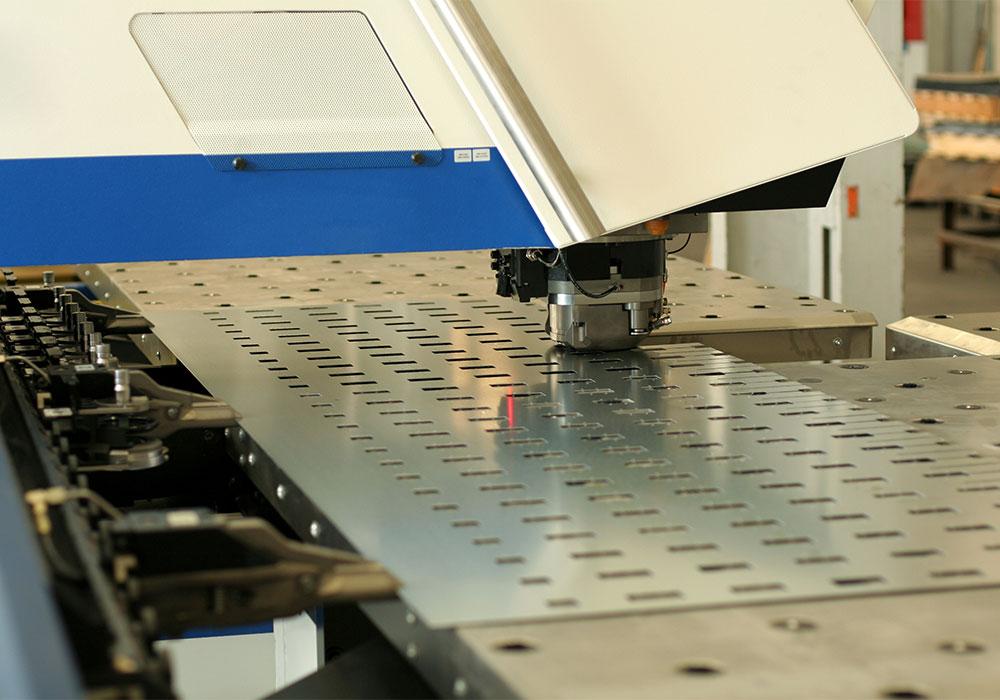
Automation not only boosts productivity but also enhances precision, reducing material waste and rework. Digital monitoring tools help identify inefficiencies and track resource consumption in real time. For a deeper dive into automation, our automated steel stamping systems overview covers the latest advancements.

Reducing Waste and Improving Resource Efficiency
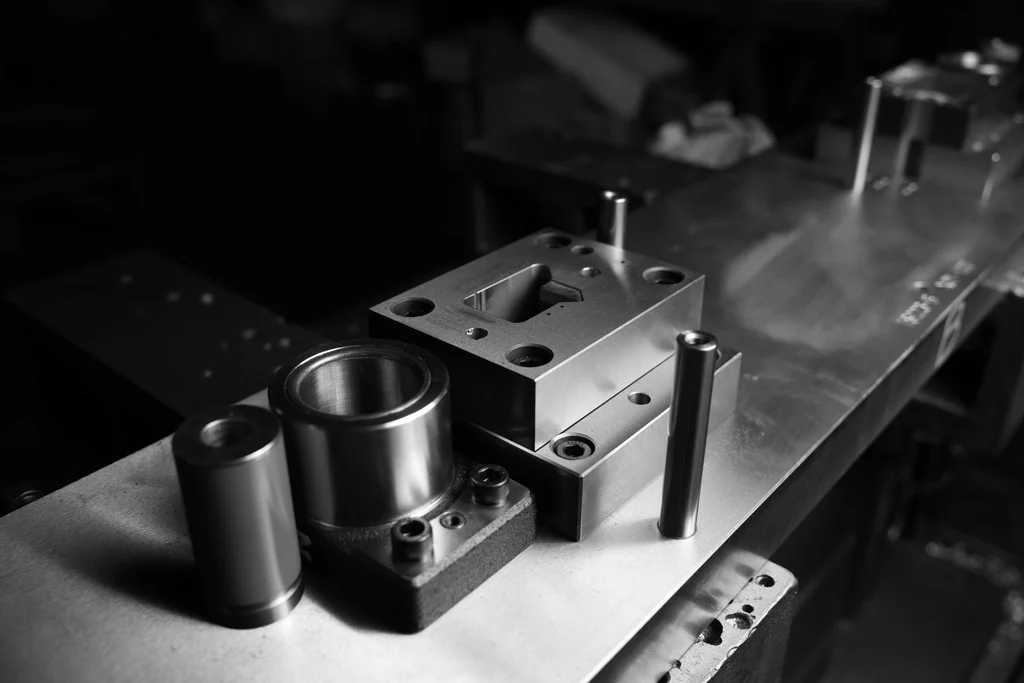
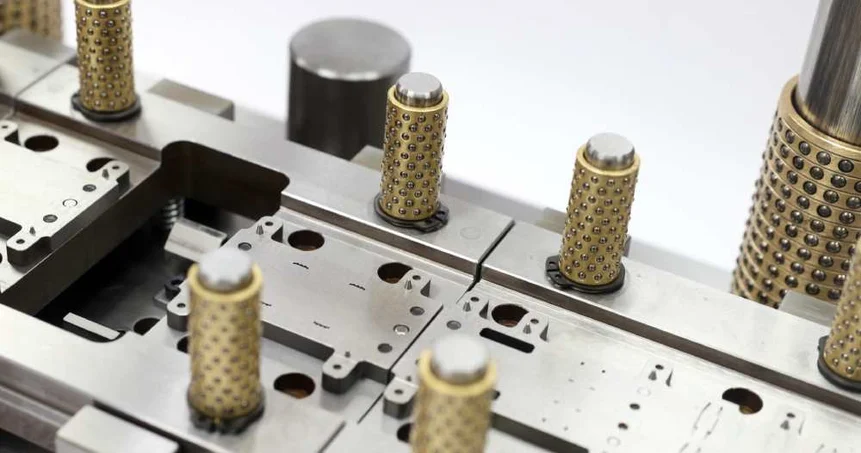
Waste minimization is central to sustainable manufacturing. By adopting lean principles and advanced die design, companies can reduce offcuts and improve material utilization. For example, progressive dies are engineered to maximize the number of usable parts per sheet, while careful planning of part layouts further reduces scrap.
Additionally, regular maintenance and monitoring of equipment help prevent defects and minimize the production of unusable parts. For more on achieving high-quality edges and minimizing burrs, see our article on how to minimize burrs in stamped parts.
Worker Safety and Environmental Compliance
Environmental responsibility in steel stamping extends to worker safety and regulatory compliance. Proper handling and disposal of chemicals, use of personal protective equipment, and adherence to environmental standards are essential for both human health and ecological preservation. For a comprehensive look at safety protocols, visit this guide to metal stamping safety.
Future Trends in Green Steel Stamping
The industry is witnessing a shift toward greener technologies and practices. Some emerging trends include:
- Life Cycle Assessment (LCA): Manufacturers are increasingly using LCA tools to evaluate the total environmental impact of products, from raw material extraction to end-of-life recycling.
- Digital Twins: Virtual modeling of stamping processes allows for simulation and optimization before physical production, reducing trial-and-error waste.
- Collaborative Supply Chains: Companies are working with suppliers and customers to ensure that sustainability goals are met across the entire value chain.
As these trends gain traction, the environmental impact of steel stamping processes is expected to decrease, benefiting both the planet and the bottom line.
Frequently Asked Questions
What are the main environmental challenges associated with steel stamping?
The primary challenges include high energy consumption, generation of scrap metal, use of potentially hazardous lubricants, and emissions related to electricity production. Addressing these issues requires a combination of process optimization, recycling, and adoption of eco-friendly materials.
How can manufacturers reduce waste in steel stamping operations?
Waste can be minimized by using advanced die designs, implementing lean manufacturing principles, and recycling all scrap metal. Regular equipment maintenance and digital monitoring also help reduce defects and improve material efficiency.
Are there regulations governing the environmental impact of metal stamping?
Yes, various local and international regulations address emissions, waste disposal, and chemical handling in metalworking industries. Compliance with these standards is essential for legal operation and environmental stewardship.
Conclusion
Addressing the environmental impact of steel stamping processes is crucial for the future of manufacturing. By embracing sustainable practices—such as recycling, energy efficiency, and process optimization—companies can reduce their ecological footprint while maintaining productivity and competitiveness. As technology evolves and regulations become more stringent, ongoing innovation will be key to achieving a truly sustainable steel stamping industry.