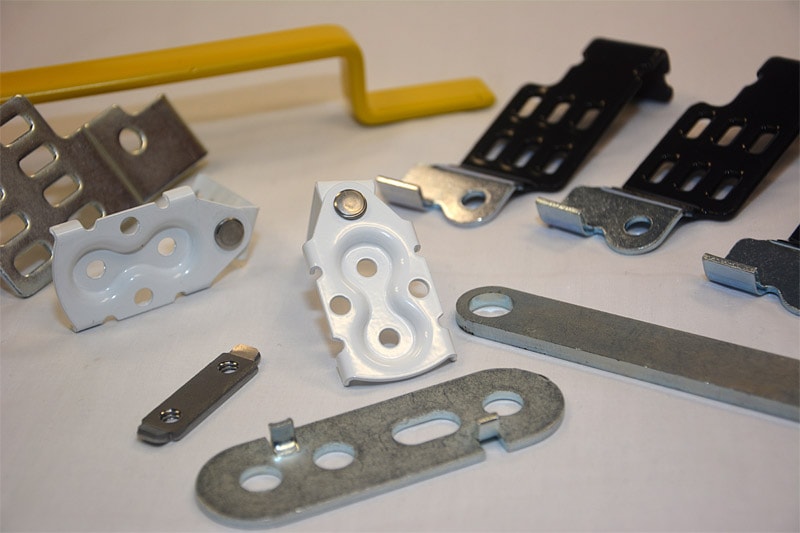
Achieving reliable results in deep draw steel stamping requires a combination of technical knowledge, process control, and attention to detail. Manufacturers face unique challenges when forming steel into complex shapes, including material selection, die design, lubrication, and quality control. By following best practices for deep draw steel stamping, companies can reduce defects, extend tool life, and improve overall efficiency.
This article explores essential guidelines for optimizing deep draw stamping operations, from initial planning through to final inspection. Whether you’re new to the process or looking to refine your approach, the following insights will help you achieve consistent, high-quality outcomes. For those interested in related topics, learning how to reduce tool wear in heavy gauge stamping can further enhance your production strategy.
Understanding Deep Draw Steel Stamping Fundamentals
Deep drawing is a metal forming process that transforms flat steel blanks into hollow, cup-like shapes using a punch and die. The process is widely used for producing automotive components, appliance housings, and industrial enclosures. Success depends on managing several variables, including material properties, blank dimensions, and press settings.
- Material Selection: Choose steel grades with high ductility and uniform thickness to minimize cracking and wrinkling.
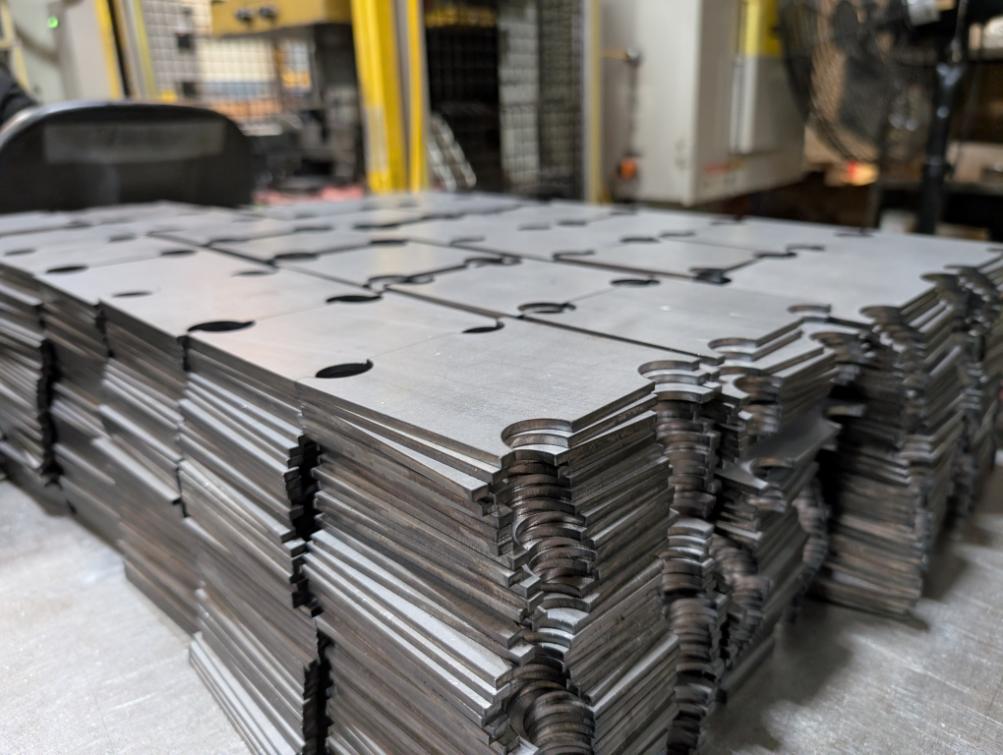
- Blank Preparation: Ensure blanks are free from surface defects and are cut to precise dimensions for accurate forming.
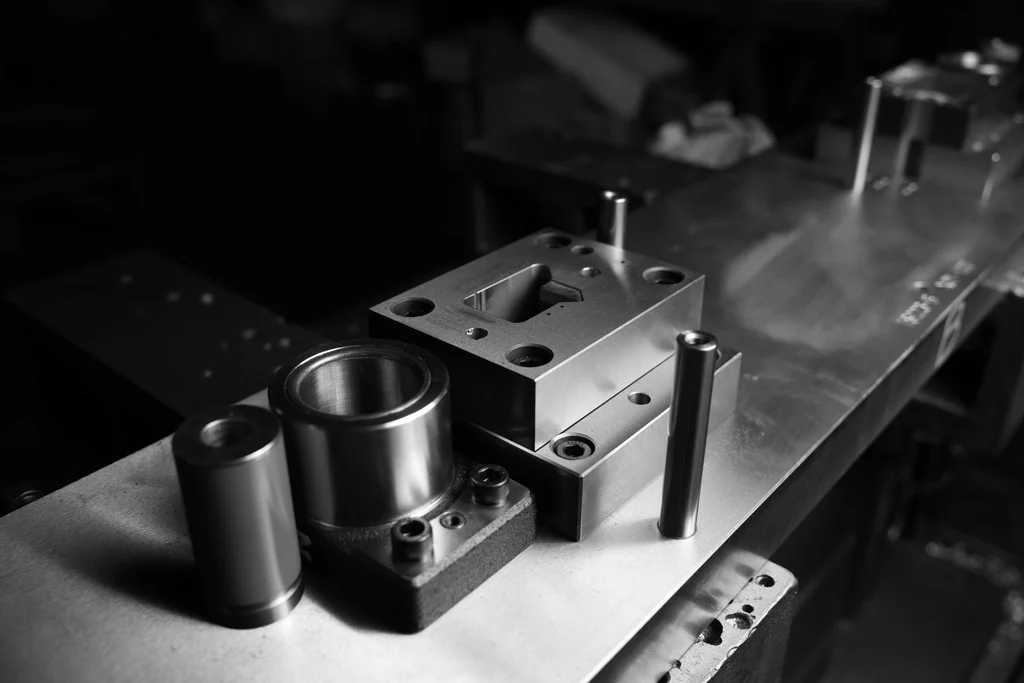
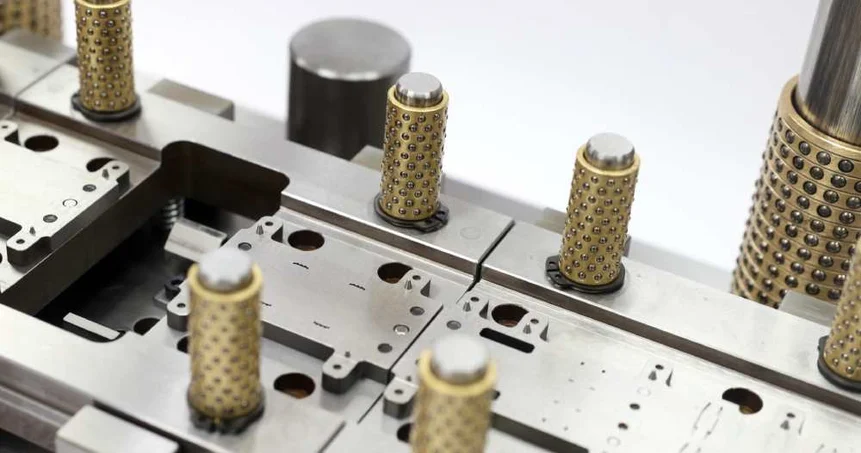
- Tooling Design: Invest in robust die and punch designs that accommodate the specific geometry and depth of the part.
Optimizing Die Design and Maintenance for Stamping Success
The design and upkeep of dies are critical to achieving repeatable results in deep draw operations. Properly engineered tooling reduces the risk of part defects and extends the lifespan of expensive equipment.
- Die Radii: Use generous radii at die corners to reduce stress concentrations and prevent tearing.
- Draw Beads: Incorporate draw beads to control material flow and avoid wrinkling during the forming process.
- Regular Maintenance: Follow a structured maintenance schedule to inspect, clean, and repair dies. For a comprehensive approach, refer to this die maintenance guide for metal stamping.
Process Control: Lubrication, Press Settings, and Monitoring
Maintaining control over process parameters is vital for consistent deep draw results. Lubrication, press speed, and force settings all influence part quality and tool longevity.
- Lubrication: Apply high-quality lubricants to reduce friction and heat buildup, which can cause galling and scoring.
- Press Calibration: Regularly calibrate press force and speed to match material and part requirements.
- Monitoring Systems: Use sensors and monitoring systems to detect anomalies during production, allowing for immediate corrective action.
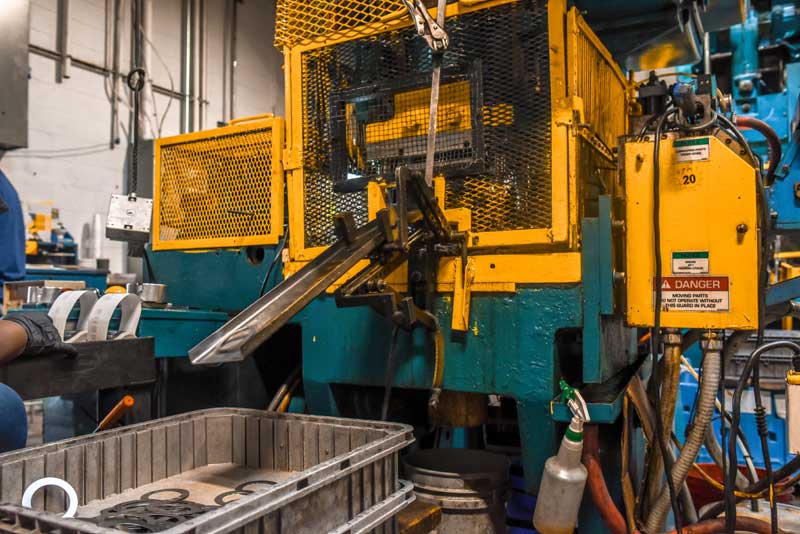
Quality Assurance and Inspection in Deep Drawing
Consistent inspection and quality control are essential for minimizing scrap and ensuring that finished parts meet specifications. Implementing robust inspection protocols helps catch defects early and maintain high standards.
- Dimensional Checks: Use gauges and measurement tools to verify part dimensions after each production run.
- Surface Inspection: Examine parts for cracks, wrinkles, and surface blemishes that may indicate process issues.
- Documentation: Maintain detailed records of inspection results to track trends and identify areas for improvement.
For more detailed guidance on ensuring quality, see this resource on how to inspect stamped steel parts for quality.
Reducing Defects and Improving Efficiency in Steel Stamping
Minimizing waste and maximizing throughput are ongoing goals in any stamping operation. By focusing on process optimization and continuous improvement, manufacturers can achieve better results and reduce costs.
- Root Cause Analysis: Investigate recurring defects to identify underlying causes and implement corrective actions.
- Operator Training: Provide ongoing training for operators to ensure they understand process controls and troubleshooting techniques.
- Lean Manufacturing: Adopt lean principles to streamline workflows, reduce downtime, and eliminate unnecessary steps.

Integrating Related Stamping Techniques and Considerations
Deep draw steel stamping often intersects with other forming and finishing processes. Understanding these relationships can help optimize the entire manufacturing workflow.
- Press Selection: Choosing between hydraulic and mechanical presses can impact draw depth, speed, and part quality. For a comparison, explore the differences between hydraulic and mechanical stamping presses.
- Material Handling: Efficiently managing coil stock and blank feeding reduces downtime and improves safety. Learn more about how to handle coil stock for stamping.
- Edge Quality: Minimizing burrs and ensuring clean edges is crucial for part performance. See tips on how to minimize burrs in stamped parts.
FAQ: Deep Draw Steel Stamping Essentials
What are the most common defects in deep draw steel stamping?
The most frequent issues include wrinkling, tearing, cracking, and excessive thinning of the material. These defects often result from improper die design, inadequate lubrication, or incorrect press settings. Regular inspection and process adjustments help minimize these problems.
How can tool wear be minimized during deep draw operations?
To reduce tool wear, use high-quality tool steels, maintain proper lubrication, and follow a consistent die maintenance schedule. Monitoring production for signs of wear and addressing them promptly also extends tool life.
Why is lubrication important in deep draw stamping?
Lubrication reduces friction between the steel and the die, preventing galling, scoring, and heat buildup. Proper lubrication ensures smoother material flow, improves surface finish, and helps achieve deeper draws without damaging the part or tooling.