
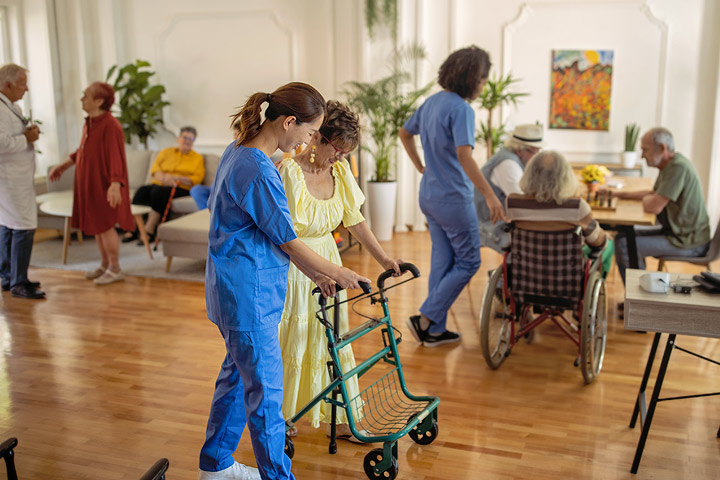
Maintaining independent living mobility safety is essential for anyone who values autonomy and wishes to enjoy daily routines with confidence. As people age or face mobility challenges, the risk of falls and accidents increases, making it vital to adapt living spaces and habits to support secure movement. This guide explores practical strategies, tools, and resources that help individuals live more safely and comfortably at home.
From home modifications to daily routines, there are many ways to reduce hazards and support self-sufficiency. For those seeking additional seasonal advice, resources such as winter safety living alone offer targeted tips for staying safe year-round.
Understanding the Importance of Mobility Safety at Home
Safe movement within the home is a cornerstone of independent living. For seniors and those with physical limitations, even minor obstacles can lead to falls or injuries. According to the CDC, falls are a leading cause of injury among older adults, often resulting in hospitalizations and reduced independence.
By focusing on mobility safety for independent living, individuals can continue to manage their own routines, participate in social activities, and maintain a sense of dignity. The right approach combines environmental adjustments, assistive devices, and mindful habits.
Home Modifications That Enhance Everyday Mobility
Adapting the living environment is one of the most effective ways to prevent accidents. Here are some practical changes that support secure movement:
- Remove tripping hazards: Keep walkways clear of clutter, loose rugs, and electrical cords.
- Install grab bars and handrails: Place these in bathrooms, stairways, and hallways for extra support.
- Improve lighting: Use bright, even lighting throughout the home, especially in entryways and staircases.
- Use non-slip flooring: Add non-slip mats in bathrooms and kitchens to reduce the risk of slipping.
- Adjust furniture layout: Arrange furniture to create wide, unobstructed paths for walking aids or wheelchairs.
Daily Habits That Support Safe Movement
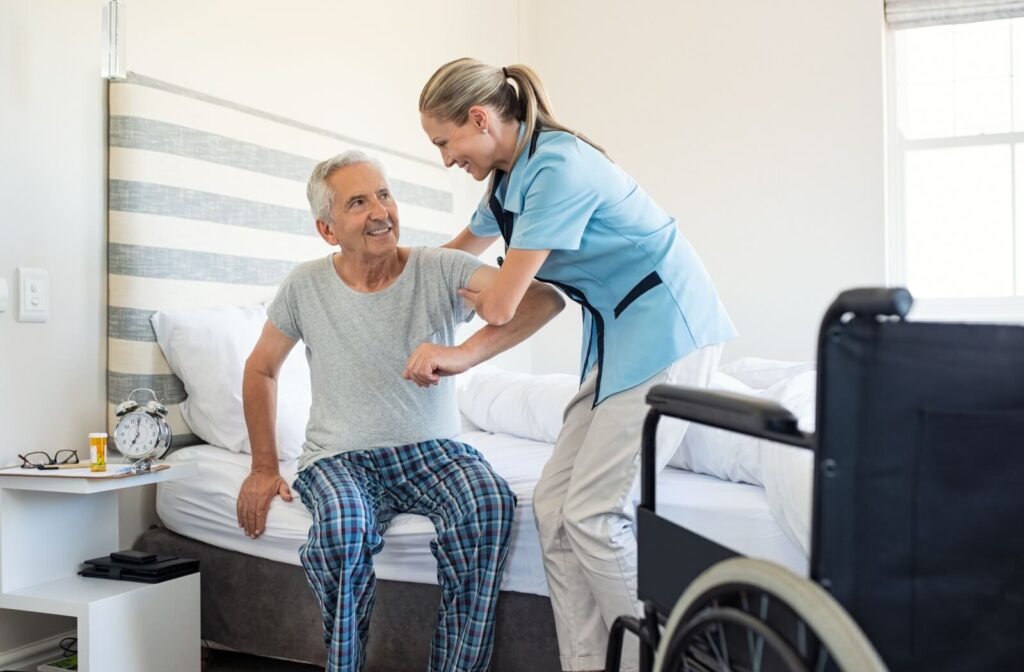
Beyond physical changes to the home, adopting certain routines can further reduce risks. Consider these habits for safer daily living:
- Wear supportive footwear: Choose shoes with non-slip soles and good fit to prevent falls.
- Keep essentials within reach: Store frequently used items at waist level to avoid unnecessary bending or stretching.
- Take your time: Move slowly when standing up, turning, or navigating stairs to maintain balance.
- Stay hydrated and nourished: Proper nutrition and hydration help maintain strength and alertness.
- Use mobility aids as needed: Canes, walkers, or wheelchairs provide extra stability—don’t hesitate to use them.
For those managing medications or chronic conditions, reviewing independent living medication safety best practices can further support overall well-being and reduce the risk of accidents.
Assistive Devices and Technology for Safer Living
Modern assistive technology can make a significant difference in supporting mobility safety for independent lifestyles. Some popular options include:
- Personal emergency response systems (PERS): Wearable devices that allow users to call for help if they fall or need assistance.
- Motion-sensor lighting: Automatically illuminates pathways when movement is detected, reducing the chance of tripping in the dark.
- Smart home devices: Voice-activated assistants can control lights, locks, and thermostats, minimizing the need to move around unnecessarily.
- Stairlifts and ramps: These modifications make multi-level homes more accessible and reduce the risk of falls on stairs.
Community Resources and Support Networks
Staying connected with local organizations and community groups can provide valuable support. Many areas offer programs that help with home modifications, transportation, and wellness checks. Family members, friends, and neighbors can also play an important role by checking in regularly and assisting with errands or household tasks.
For a comprehensive overview of essential safety practices, essential safety tips for seniors living alone offers further insights and actionable advice.
Seasonal and Environmental Considerations
Environmental factors can impact mobility and safety. During extreme weather, such as heatwaves or winter storms, additional precautions are necessary. For example, in hot weather, staying hydrated and avoiding outdoor activity during peak sun hours is crucial. In winter, keeping walkways clear of ice and using salt or sand can prevent slips.
For more information on handling specific seasonal risks, review tips on extreme heat safety independent living and other related resources.
Developing a Personal Safety Plan
Creating a personalized safety plan helps individuals and their loved ones respond effectively to emergencies. Key elements include:
- Emergency contacts: Keep a list of important phone numbers in an easily accessible place.
- Evacuation routes: Plan and practice how to leave the home quickly in case of fire or other emergencies.
- Regular check-ins: Arrange for daily or weekly calls with family or friends.
- Medical information: Maintain an up-to-date list of medications, allergies, and health conditions.
For those living alone, having a independent living fire escape plan is a critical part of overall safety preparation.
Maintaining Independence Through Proactive Safety Measures
The goal of these strategies is to empower individuals to live on their own terms. By making thoughtful adjustments to the home, adopting safe habits, and leveraging technology, it’s possible to minimize risks and enjoy greater peace of mind. Regularly reviewing and updating safety practices ensures that mobility needs are met as circumstances change.
For those interested in further enhancing daily routines, exploring food safety for living alone can also contribute to a healthier, safer lifestyle.
Frequently Asked Questions
What are the most effective home modifications for mobility safety?
The most impactful changes include installing grab bars and handrails, improving lighting, removing tripping hazards, and using non-slip mats. These adjustments address common causes of falls and make it easier to move around safely.
How can technology help support independent living for those with mobility challenges?
Devices such as personal emergency response systems, motion-sensor lighting, and smart home assistants can enhance safety and convenience. They provide immediate access to help, reduce the need for unnecessary movement, and create a more accessible environment.
What daily habits can reduce the risk of falls at home?
Wearing supportive footwear, keeping pathways clear, storing essentials within easy reach, and using mobility aids as needed are all effective habits. Taking time when moving and staying hydrated also contribute to better balance and alertness.