The evolution of steel stamping has been marked by significant technological advancements, with servo press systems leading the way in recent years. These presses, powered by sophisticated servo motors, offer a range of advantages that traditional mechanical and hydraulic presses cannot match. As manufacturers seek greater efficiency, precision, and flexibility, understanding the benefits of servo press technology in stamping becomes crucial for staying competitive in the metal forming industry.
Adopting servo-driven presses can transform production lines, enabling manufacturers to handle complex geometries, reduce waste, and improve part quality. Before exploring the specific advantages, it’s helpful to consider how this technology compares to older methods and why it has become a preferred choice for many steel stamping operations.

For those interested in optimizing their stamping processes further, it’s worth reviewing related topics such as how to reduce tool wear in heavy gauge stamping. Strategies like these, combined with the adoption of advanced press technology, can lead to substantial improvements in both productivity and part quality.
How Servo Presses Differ from Conventional Stamping Equipment
Traditional stamping presses—whether mechanical or hydraulic—operate with fixed motion profiles and limited control over speed and force during the stroke. In contrast, servo presses use programmable servo motors to drive the ram, allowing for precise control over movement at every point in the cycle. This flexibility is at the core of the benefits of servo press technology in stamping operations.
- Programmable Motion: Servo presses can adjust ram speed, dwell time, and stroke profile to suit each part or material.
- Energy Efficiency: Unlike mechanical presses that run continuously, servo systems only consume power when needed, reducing energy costs.
- Reduced Mechanical Wear: The absence of flywheels and clutches means fewer moving parts, leading to lower maintenance requirements.
Key Advantages of Servo Press Technology in Steel Stamping
The adoption of servo-driven presses brings a host of tangible improvements to steel stamping operations. Below are some of the most impactful benefits:
Enhanced Precision and Repeatability
Servo presses excel in delivering consistent, repeatable results. The programmable nature of the ram movement ensures that each stroke is identical, minimizing variation and improving part accuracy. This is especially valuable for industries such as automotive and electronics, where tight tolerances are critical.
Increased Flexibility for Complex Parts
Unlike traditional presses, servo systems can easily adapt to a wide range of part geometries and materials. Operators can program custom motion profiles for each job, allowing for slow forming during critical stages and rapid movement elsewhere. This flexibility supports the production of intricate components and reduces the need for secondary operations.
Improved Material Utilization and Reduced Scrap
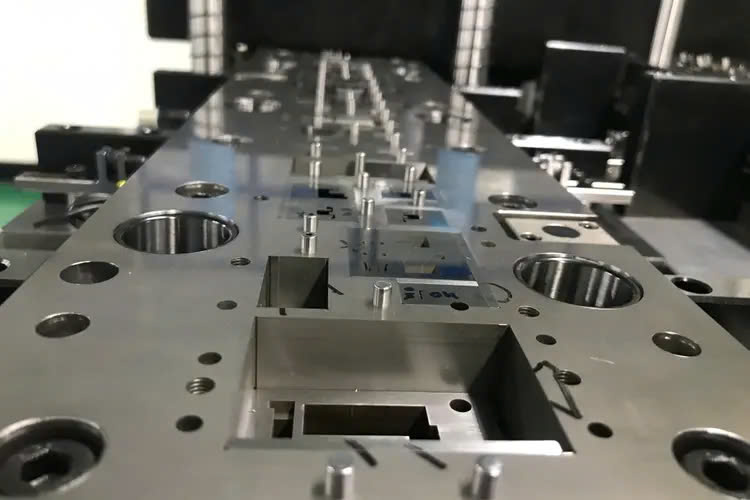
By precisely controlling the ram’s speed and force, servo presses can minimize material deformation and reduce the occurrence of defects such as burrs and cracks. This leads to higher yields and less waste, which is especially important when working with expensive or specialty steels. For additional tips on minimizing edge defects, see this guide on how to minimize burrs in stamped parts.
Optimized Production Speed and Cycle Time
Servo-driven presses can be programmed to move rapidly during non-critical parts of the stroke and slow down for forming or cutting actions. This dynamic control shortens cycle times without sacrificing quality, enabling higher throughput and faster changeovers between jobs.
Lower Tooling and Maintenance Costs
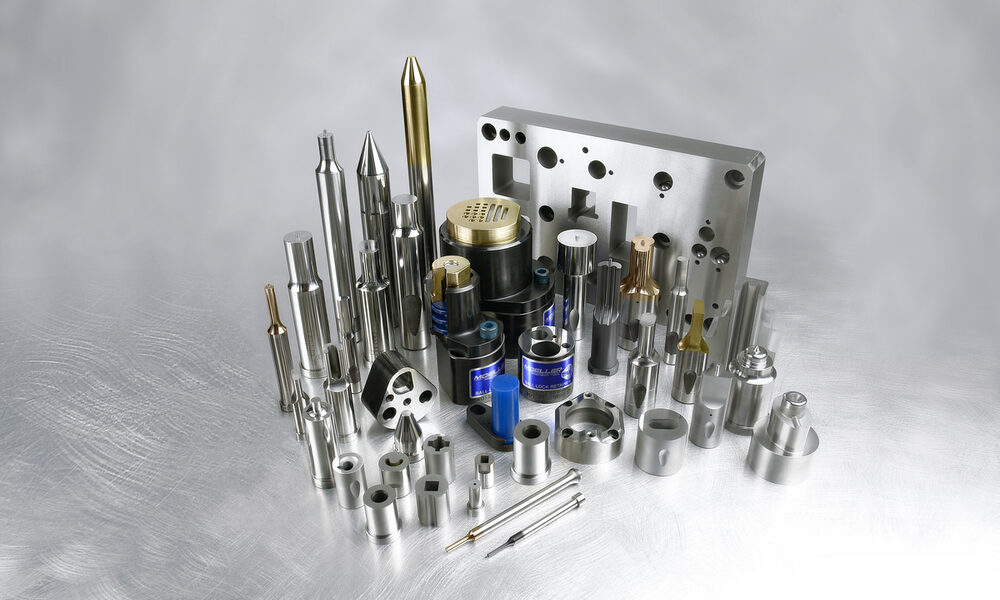
The programmable motion profiles of servo presses reduce shock loads and vibration, which in turn extends the life of dies and tooling. Less frequent maintenance and fewer unplanned stoppages contribute to lower overall operating costs. For a deeper understanding of die longevity, review the basics of stamping die repair and maintenance.
Supporting Quality Control and Traceability
Modern servo presses often integrate with digital monitoring systems, providing real-time feedback on force, position, and speed. This data-driven approach supports advanced quality control measures and traceability, which are increasingly important for regulated industries. For more on ensuring part quality, see the article on how to inspect stamped steel parts for quality.
Environmental and Workplace Benefits
Energy efficiency is a notable advantage of servo-driven presses. Because these machines only draw power during active motion, they consume less electricity compared to conventional systems. Additionally, the quieter operation and reduced vibration contribute to a safer and more comfortable working environment for operators.
Adapting to Industry Demands with Servo Presses
As product designs become more complex and material requirements more demanding, the flexibility and precision of servo press technology allow manufacturers to adapt quickly. Whether producing high-strength automotive components or intricate electronic enclosures, servo systems provide the agility needed to meet evolving customer expectations.
Comparing Servo, Hydraulic, and Mechanical Presses
When evaluating press options, it’s important to consider the unique strengths of each technology. Mechanical presses are known for high-speed production of simple parts, while hydraulic presses excel at deep drawing and forming thick materials. Servo presses combine the speed of mechanical systems with the control of hydraulics, making them suitable for a broad range of applications. For a detailed comparison, review the discussion on differences between hydraulic and mechanical stamping presses.
FAQ
What types of parts benefit most from servo press technology?
Components that require tight tolerances, complex shapes, or variable forming speeds see the greatest improvements. Automotive, appliance, and electronics manufacturers often leverage servo presses for these reasons.
How does servo press technology improve energy efficiency?
Servo-driven systems only use energy when the ram is moving, unlike traditional presses that run continuously. This targeted power usage results in lower energy bills and reduced environmental impact.
Can servo presses reduce tooling costs?
Yes, the programmable motion and reduced shock loads extend tool life and minimize maintenance, leading to lower long-term tooling expenses.
Is it difficult to switch from a mechanical or hydraulic press to a servo press?
While there is a learning curve, most operators adapt quickly thanks to user-friendly controls and programmable settings. The transition often results in improved productivity and quality.
Conclusion
The shift toward servo-driven presses in steel stamping is reshaping manufacturing by delivering greater precision, flexibility, and efficiency. Companies that embrace this technology can expect to see improvements in part quality, reduced waste, and lower operating costs. As the demands of the industry continue to evolve, servo press systems offer a future-ready solution for high-performance metal forming.