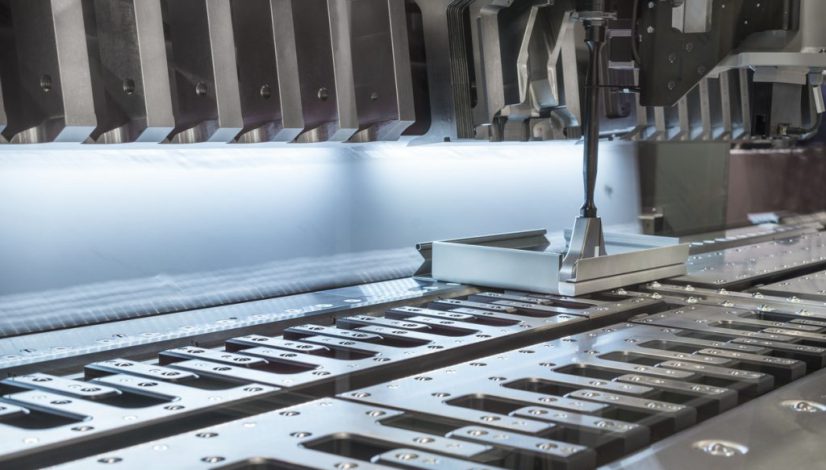
The integration of transfer systems has transformed the landscape of automated steel stamping, enabling manufacturers to achieve higher productivity, precision, and safety. As demand for complex stamped components grows across industries like automotive, construction, and electronics, the need for efficient part handling and seamless process flow becomes critical. Transfer systems are at the heart of this evolution, bridging the gap between manual labor and fully automated production lines.
Understanding the role of transfer systems in steel stamping is essential for companies aiming to optimize throughput, reduce defects, and maintain consistent quality. These systems not only move parts between stamping stations but also synchronize with press operations, minimize downtime, and support advanced quality control measures. For those interested in related process improvements, learning how to reduce tool wear in heavy gauge stamping can further enhance operational efficiency.
Understanding Transfer Systems in Modern Stamping Operations
Transfer systems are automated mechanisms designed to move steel blanks or partially formed parts from one die station to the next within a stamping press. Unlike progressive dies, where the strip advances through each station, transfer systems handle individual parts, allowing for greater design flexibility and the production of larger or more complex components.
There are several types of transfer systems commonly used in steel stamping:
- Mechanical transfer systems: Utilize cams, levers, and linkages to move parts in sync with the press cycle.
- Servo-driven transfer systems: Employ programmable servo motors for precise, flexible movement and easy changeovers.
- Robotic transfer systems: Use industrial robots for highly customizable part handling, especially in low-volume or high-mix environments.
Each system offers unique advantages depending on production volume, part complexity, and required precision. The choice of transfer system can significantly impact the efficiency and reliability of the stamping process.
Key Benefits of Automated Part Handling
Automated transfer systems bring a range of benefits to steel stamping operations:
- Increased throughput: By eliminating manual handling and synchronizing part movement with press cycles, transfer systems enable faster production rates.
- Improved safety: Automation reduces the need for operators to interact directly with moving parts or heavy dies, lowering the risk of workplace injuries.
- Consistent quality: Automated handling minimizes part misalignment, surface damage, and contamination, leading to more uniform stamped components.
- Reduced labor costs: With fewer manual interventions, companies can allocate labor resources to higher-value tasks.
These advantages are especially pronounced in high-volume production environments, where even small improvements in cycle time or defect rates can translate into significant cost savings.
How Transfer Systems Enhance Precision and Quality
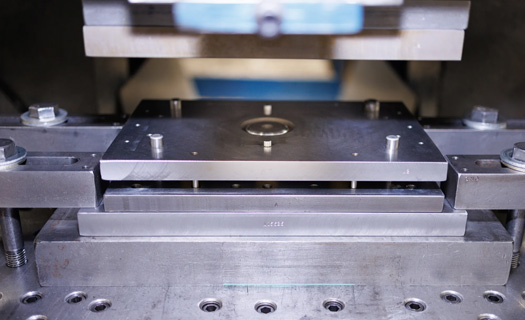
Precision is paramount in steel stamping, where even minor misalignments can result in defective parts or excessive tool wear. Transfer systems contribute to accuracy in several ways:
- Accurate part placement: Automated grippers or suction devices ensure each blank is positioned correctly in the die, reducing the risk of off-center hits.
- Consistent timing: Synchronization with press operations guarantees that parts arrive at each station at the optimal moment, minimizing cycle variation.
- Gentle handling: Advanced systems are designed to avoid scratching or deforming delicate surfaces, which is crucial for visible or functional components.
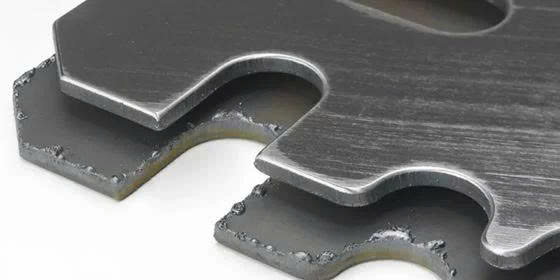
For manufacturers focused on maintaining edge quality and minimizing defects, exploring how to minimize burrs in stamped parts can complement the benefits provided by automated transfer systems.
Integration with Press Technology and Tooling
The effectiveness of a transfer system depends on its integration with stamping presses and tooling. Modern presses often feature built-in interfaces for transfer automation, allowing for seamless communication between the press controller and the transfer mechanism.
Key integration considerations include:
- Press compatibility: Hydraulic and mechanical presses may require different transfer solutions. Understanding the differences between hydraulic and mechanical stamping presses helps in selecting the right system.
- Tooling design: Dies must be engineered with transfer automation in mind, including features like pick-up points, clearance for grippers, and alignment aids.
- Changeover efficiency: Quick-change tooling and programmable transfer paths enable rapid transitions between part types, supporting flexible manufacturing.
Proper integration ensures that the transfer system operates reliably and does not become a bottleneck in the production process.
Quality Control and Inspection in Automated Stamping
Automated transfer systems can be equipped with sensors and vision systems to support real-time quality monitoring. These technologies detect misfeeds, part orientation errors, or surface defects before they propagate through the production line.
Implementing in-line inspection not only reduces scrap rates but also provides valuable data for continuous improvement. For a deeper dive into quality assurance methods, see how to inspect stamped steel parts for quality.
Challenges and Considerations When Implementing Transfer Automation
While the advantages of automated transfer systems are clear, their implementation requires careful planning. Some common challenges include:
- Initial investment: The cost of automation can be significant, especially for custom or high-capacity systems.
- System complexity: Integrating transfer automation with existing presses, tooling, and control systems may require specialized expertise.
- Maintenance and troubleshooting: Automated systems need regular maintenance and skilled technicians to ensure uptime and performance.
- Part variability: Handling a wide range of part sizes or shapes may necessitate flexible or reconfigurable transfer solutions.
Despite these challenges, the long-term benefits—such as reduced labor costs, improved quality, and increased throughput—often justify the investment for manufacturers committed to staying competitive.
Industry Applications and Future Trends
Transfer systems are widely used in industries where high-volume, high-precision steel stamping is essential. Automotive manufacturers rely on these systems for body panels, brackets, and safety components. Appliance makers use them for enclosures and structural parts. As product designs become more complex and quality standards rise, the demand for advanced transfer automation continues to grow.
Emerging trends include the use of artificial intelligence for predictive maintenance, integration with Industry 4.0 platforms, and the adoption of collaborative robots for flexible part handling. Staying informed about these developments can help manufacturers make strategic decisions about automation investments.
Further Resources and Learning Opportunities
For those seeking more information on metal stamping processes and safety, the comprehensive guide to metal stamping safety and best practices provides valuable insights. Additionally, understanding how to handle coil stock for stamping safely and efficiently is crucial for upstream process optimization.
Frequently Asked Questions
What is the main function of a transfer system in steel stamping?
The primary function of a transfer system is to automatically move steel blanks or partially formed parts between die stations within a stamping press. This ensures accurate positioning, consistent timing, and efficient handling, which are essential for high-quality, high-volume production.
How do transfer systems improve safety in stamping operations?
By automating the movement of parts, transfer systems reduce the need for manual intervention near moving machinery and heavy dies. This lowers the risk of operator injuries and creates a safer working environment.
Can transfer systems be retrofitted to existing stamping presses?
Yes, many transfer systems can be integrated with existing presses, though the complexity and cost will depend on the age and configuration of the equipment. Consulting with automation specialists is recommended to assess compatibility and develop an effective integration plan.