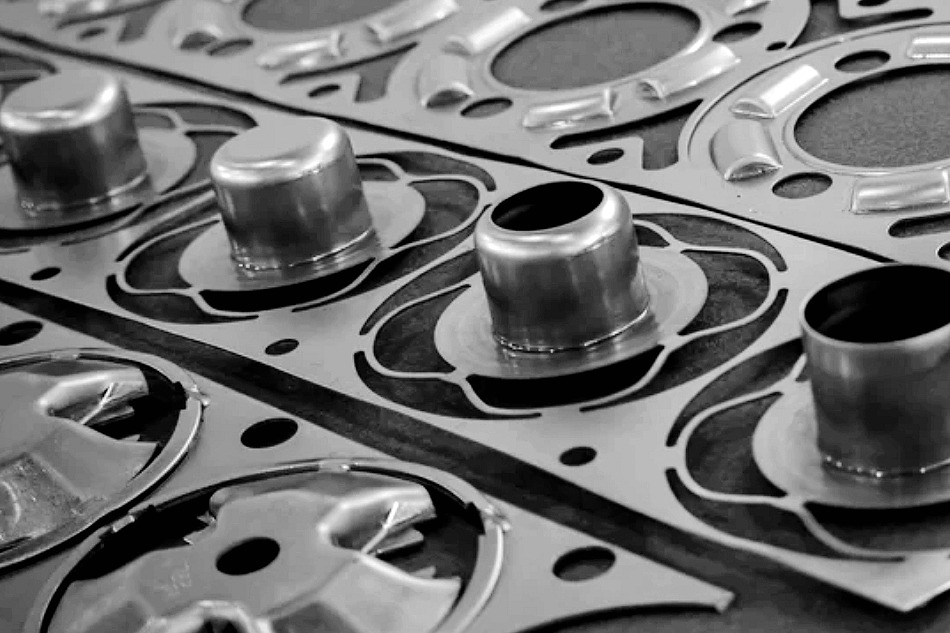
Effective steel stamping cooling methods are essential for maintaining tool longevity, ensuring product quality, and optimizing production efficiency in metal forming operations. As steel stamping processes generate significant heat due to friction and deformation, managing temperature becomes critical to prevent tool wear, dimensional inaccuracies, and production downtime. This article explores the most effective cooling strategies, their impact on tool performance, and practical considerations for manufacturers aiming to improve their stamping operations.
For those interested in a broader perspective on automation and process optimization, the automated steel stamping systems overview provides valuable insights into integrating advanced technologies with thermal management solutions.
Understanding the Role of Cooling in Steel Stamping
During high-speed stamping, the interaction between the die and steel sheet produces heat that can rapidly build up. Without proper cooling, this heat leads to thermal expansion, increased friction, and accelerated tool wear. Over time, inadequate temperature control may cause part defects, such as warping or burrs, and reduce the lifespan of expensive tooling.
By implementing robust cooling systems, manufacturers can:
- Maintain consistent tool temperatures for dimensional accuracy
- Reduce the risk of thermal fatigue and cracking
- Enhance surface finish and minimize defects
- Increase production rates by enabling faster cycle times
- Lower maintenance costs and extend tool life
Key Cooling Techniques for Steel Stamping Operations
There are several proven approaches to managing heat in stamping environments. Choosing the right method depends on production volume, tool complexity, and the specific requirements of the stamped part.
Direct Water Cooling Systems
One of the most common steel stamping cooling methods involves circulating water through channels machined into the die. This approach efficiently removes heat from critical areas, keeping tool surfaces at a stable temperature. Water cooling is especially effective for high-volume or continuous production lines where thermal loads are significant.
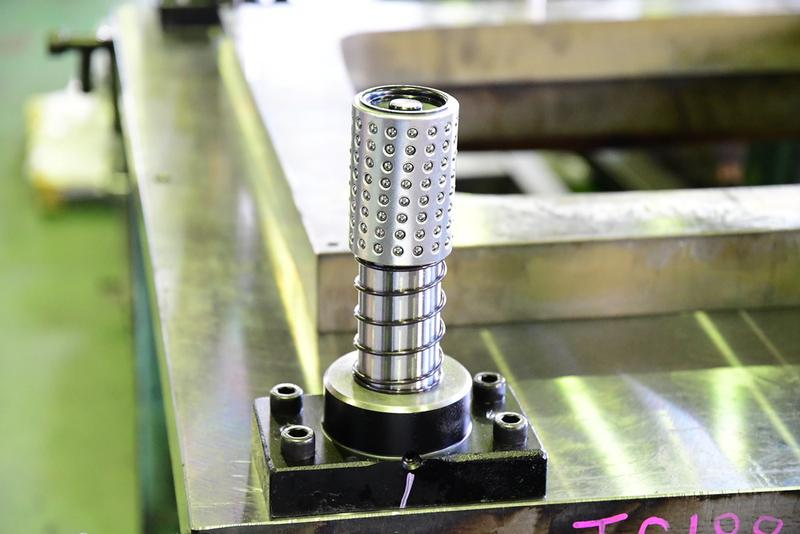
To maximize the effectiveness of water cooling, it is important to design channels that target the hottest zones, such as punch tips and die shoulders. Regular maintenance is also required to prevent scale buildup or blockages that could reduce flow rates.
Air Cooling and Forced Ventilation
For lower-volume stamping or where water cooling is impractical, forced air can be used to dissipate heat from tool surfaces. Fans or compressed air jets are directed at the die, promoting convective heat transfer. While not as efficient as liquid cooling, air systems are simpler to install and maintain, making them suitable for smaller presses or prototype runs.
Air cooling is often combined with other methods to provide supplemental temperature control, especially in multi-stage or progressive die setups.
Advanced Cooling Technologies
Modern stamping facilities are increasingly adopting innovative solutions to address the challenges of heat management. These include:
- Oil-based cooling: Some operations use oil circulation for both lubrication and cooling, reducing friction and wear simultaneously.
- Thermoelectric cooling: Peltier modules can be integrated into dies for localized temperature control, ideal for precision applications.
- Phase change materials (PCMs): Embedding PCMs in tool cavities absorbs excess heat during peak loads, releasing it gradually to maintain stable tool temperatures.
For a deeper dive into proven cooling strategies, the article on steel stamping thermal management strategies offers a comprehensive look at both traditional and emerging technologies in this field.
Design Considerations for Effective Heat Management
Integrating cooling into die design requires careful planning. Key factors to consider include:
- Material selection: Tool steels with high thermal conductivity help dissipate heat more effectively.
- Channel placement: Cooling channels should be as close as possible to the working surface without compromising die strength.
- Flow dynamics: Ensuring even coolant distribution prevents hot spots and uneven wear.
- Maintenance access: Designs should allow for easy inspection and cleaning of cooling passages.
Collaboration between tool designers and process engineers is crucial to balance cooling efficiency with manufacturability and cost.
Impact of Cooling on Tool Performance and Product Quality
Proper temperature control delivers measurable benefits across the stamping process:
- Longer tool life: Lower operating temperatures reduce thermal cycling and fatigue, extending the interval between regrinds or replacements.
- Consistent part quality: Stable die temperatures minimize dimensional variation and surface defects.
- Higher productivity: With effective cooling, presses can run at faster speeds without risking tool damage or part distortion.
- Reduced downtime: Preventing overheating cuts down on unplanned maintenance and tool changeovers.
Manufacturers aiming to minimize defects such as burrs should also consider best practices outlined in the how to minimize burrs in stamped parts guide, which complements cooling strategies for improved edge quality.
Safety and Environmental Considerations
Implementing cooling systems in stamping operations also involves addressing safety and environmental factors. Proper containment of coolants, regular inspection for leaks, and adherence to disposal regulations are essential to protect workers and the environment. For a detailed overview of safety practices in die operations, refer to this comprehensive guide to sheet metal forming die operations safety.
Additionally, selecting environmentally friendly coolants and optimizing system efficiency can help reduce the ecological footprint of stamping facilities.
Integrating Cooling with Production Best Practices
To fully realize the benefits of advanced cooling, it is important to integrate these systems with broader production strategies. This includes regular monitoring of tool temperatures, predictive maintenance, and continuous improvement initiatives. Manufacturers can further enhance their operations by following the best practices for high-volume steel stamping, which cover process optimization, quality control, and cost management.
Frequently Asked Questions
What are the most effective cooling methods for high-speed steel stamping?
Direct water cooling through internal die channels is generally the most efficient for high-speed and high-volume stamping. For less demanding operations, forced air or oil-based systems may suffice. The optimal choice depends on production rates, tool design, and part specifications.
How does cooling impact the quality of stamped parts?
Proper cooling stabilizes die temperatures, which helps maintain tight tolerances and reduces the risk of defects such as warping, burrs, or surface blemishes. Consistent temperature control also improves repeatability and overall product quality.
Can cooling systems be retrofitted to existing stamping dies?
In many cases, cooling channels or external cooling solutions can be added to existing dies, though the feasibility depends on the die’s construction and available space. Consulting with tool designers and engineers is recommended to assess retrofit options.
Are there any drawbacks to using advanced cooling technologies?
While advanced methods like thermoelectric cooling or PCMs offer precise control, they may increase initial costs and require specialized maintenance. The benefits often outweigh these drawbacks in high-precision or high-volume applications.
For further insights into optimizing tool design for manufacturability and integrating cooling considerations, explore the steel stamping design for manufacturing tips resource.