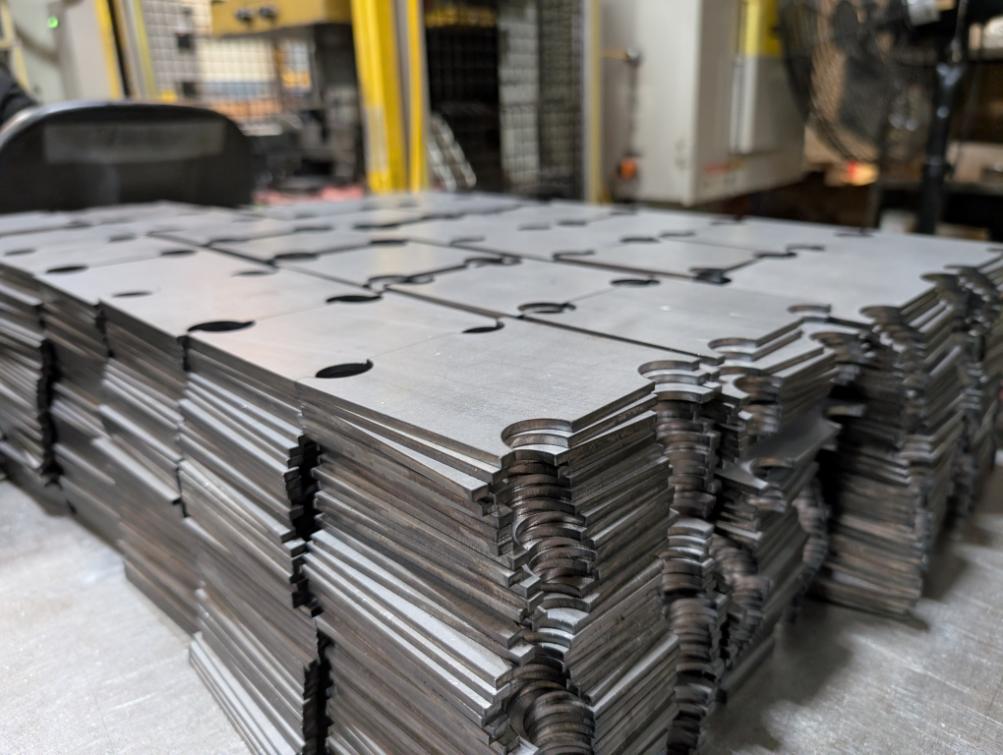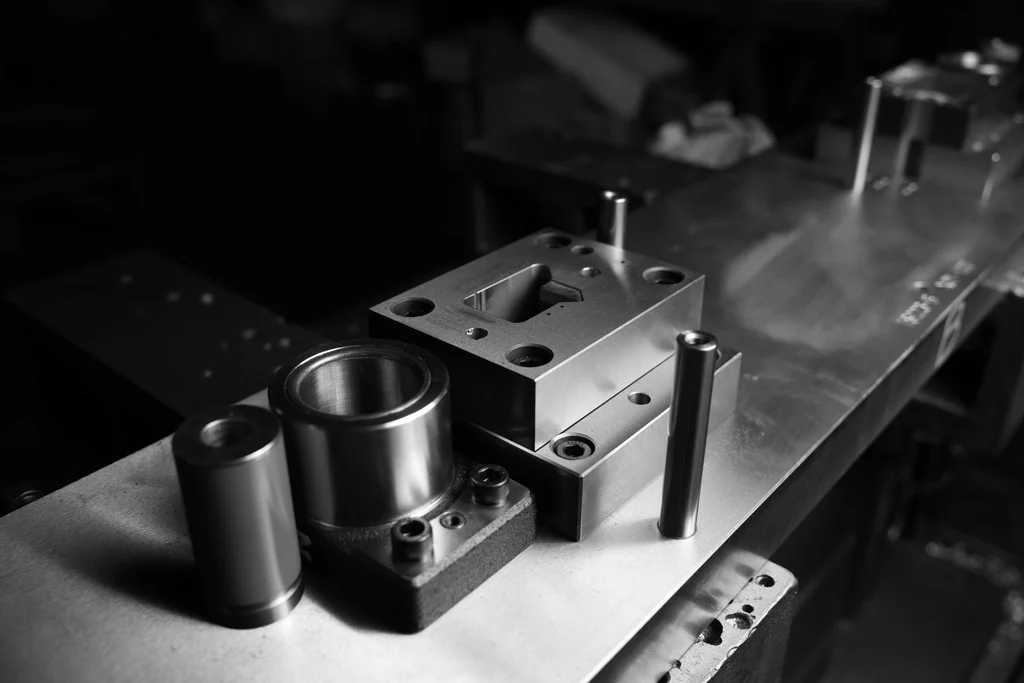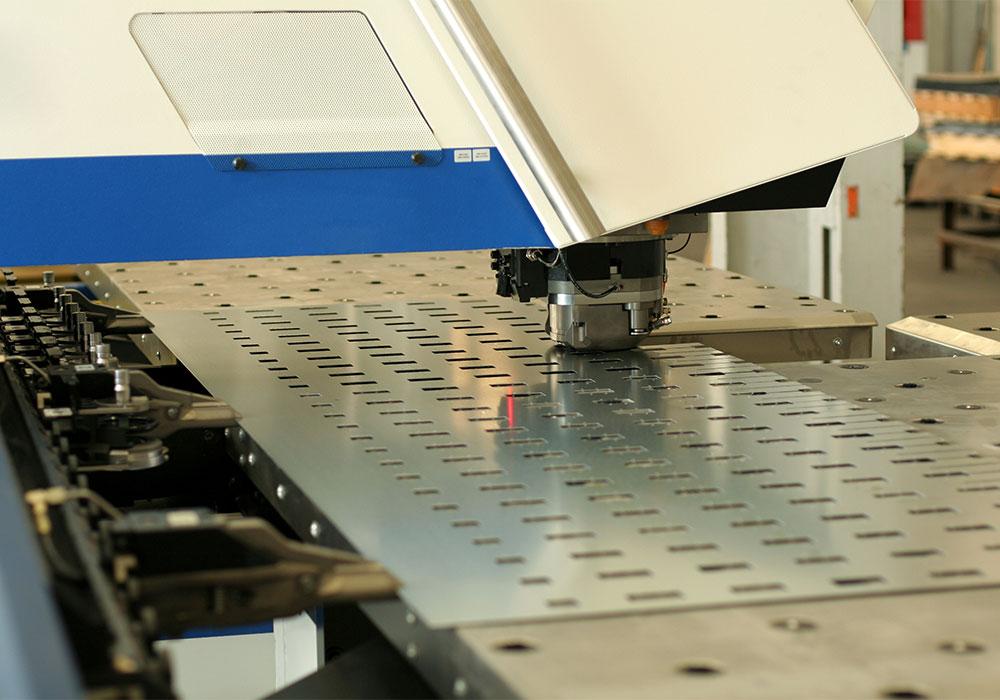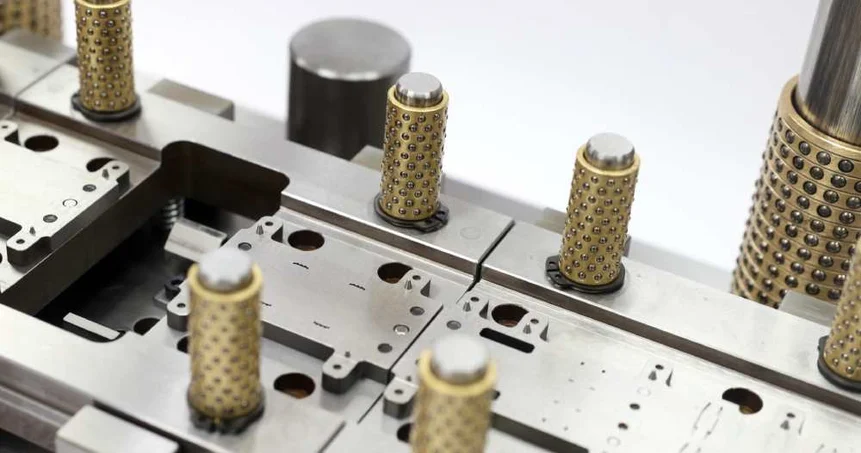
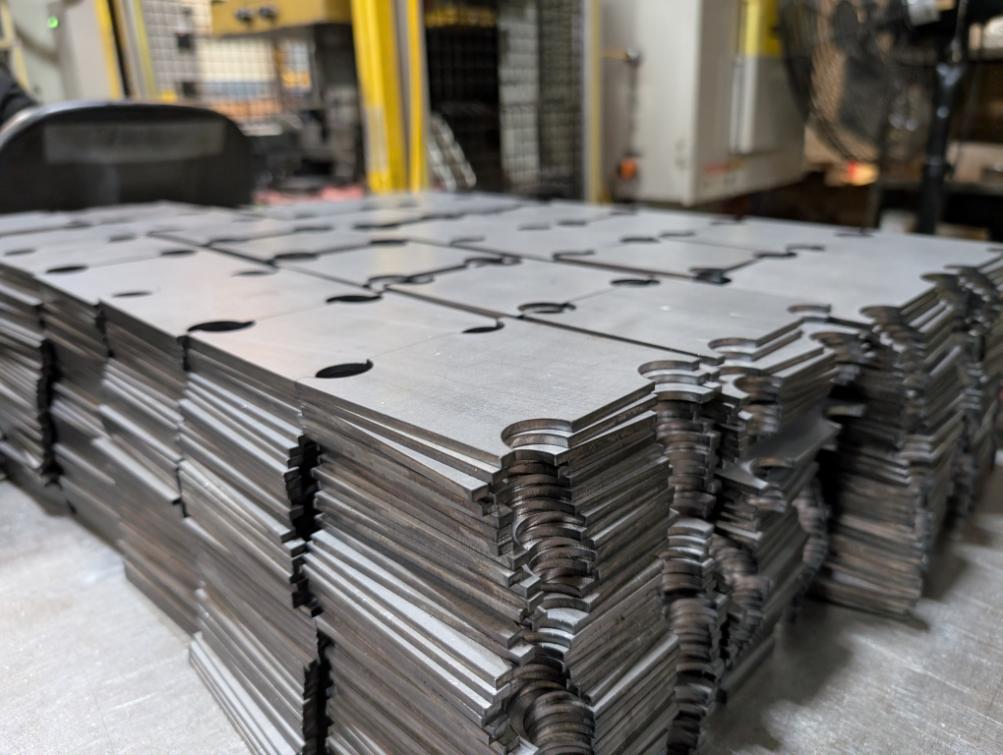
Precision and efficiency are essential when producing electrical steel components for transformers, motors, and generators. Manufacturers rely on best practices for stamping electrical steel to achieve consistent part quality, minimize defects, and extend tool life. This guide explores proven methods, from material handling to die maintenance, that help ensure optimal results in electrical steel stamping operations.
Understanding the unique properties of electrical steel—such as its magnetic characteristics, coating sensitivity, and tendency to develop burrs—can make a significant difference in both product performance and manufacturing costs. By following industry-recommended techniques and leveraging the latest technology, fabricators can meet demanding specifications while reducing waste and downtime.
For those looking to further optimize their processes, understanding how to reduce tool wear in heavy gauge stamping can be a valuable resource, especially when working with challenging materials like electrical steel.
Material Selection and Preparation for Electrical Steel Stamping
Choosing the right grade and thickness of electrical steel is the foundation of any successful stamping project. Electrical steels are typically available as grain-oriented (GO) or non-grain-oriented (NGO), each with distinct magnetic and mechanical properties. Selecting a material that matches the application’s requirements—such as core loss, permeability, and mechanical strength—ensures both performance and manufacturability.
- Inspect incoming coil stock for surface defects, edge cracks, and coating damage before processing.
- Store coils in a dry, controlled environment to prevent corrosion and preserve insulation coatings.
- Unwind and flatten coil stock carefully to avoid introducing residual stresses that can affect stamping accuracy.
Proper handling of coil stock is crucial. For more on this topic, see the article on how to handle coil stock for stamping for safety and efficiency tips.
Die Design and Maintenance: Key to Consistent Results
Die design is a critical factor in achieving high-quality stamped electrical steel parts. Progressive dies, compound dies, and blanking dies are commonly used, each offering different advantages depending on production volume and part complexity.
- Use tight die clearances to minimize burr formation and maintain edge quality.
- Incorporate features to reduce distortion, such as stripper plates and pilot pins for accurate positioning.
- Design dies for easy maintenance and quick changeovers to reduce downtime.
Regular die maintenance is essential to prevent premature wear and ensure dimensional accuracy. Lubricate moving parts, inspect cutting edges for chipping, and replace worn components as needed. For additional guidance, manufacturers can refer to resources like this comprehensive guide to die maintenance for electrical steel stamping.

Optimizing Stamping Press Operations
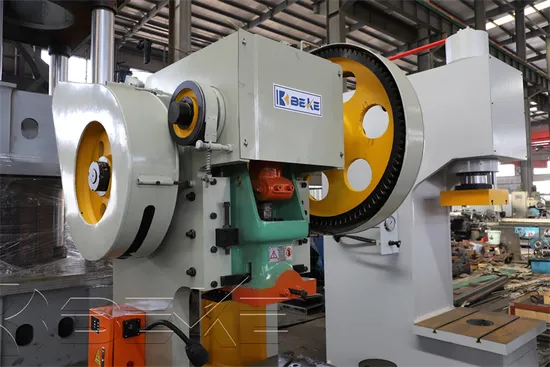
Efficient press operation is a cornerstone of best practices for stamping electrical steel. The choice between hydraulic and mechanical presses, as well as the setup parameters, can significantly impact part quality and tool longevity.
- Set press speed and stroke length according to material thickness and die design to avoid excessive impact and heat buildup.
- Monitor press alignment and parallelism to prevent uneven wear and misfeeds.
- Use appropriate lubricants to reduce friction and protect both dies and material surfaces.
Understanding the differences between hydraulic and mechanical stamping presses can help in selecting the right equipment for specific electrical steel applications.
Quality Control and Inspection in Electrical Steel Stamping
Maintaining high standards of quality is vital in the production of electrical steel components. Effective inspection methods help detect defects early, ensuring that only parts meeting specifications proceed to assembly.
- Perform in-process inspections to monitor dimensional accuracy and surface finish.
- Use non-destructive testing methods, such as eddy current or magnetic flux testing, to assess material integrity.
- Check for burrs, warping, and coating damage after each stamping cycle.
For a deeper dive into inspection techniques, refer to the detailed guide on how to inspect stamped steel parts for quality and accuracy.
Minimizing Burrs and Edge Defects
Burr formation is a common challenge in electrical steel stamping. Excessive burrs can interfere with part assembly, increase core losses, and damage insulation coatings. Applying best practices for stamping electrical steel helps reduce these unwanted byproducts.
- Maintain optimal die clearance and sharp cutting edges.
- Adjust press parameters to avoid over-penetration and excessive deformation.
- Implement secondary deburring processes when necessary, such as tumbling or brushing.
For more strategies on improving edge quality, see the article on how to minimize burrs in stamped parts.
Protecting Coatings and Magnetic Properties
Electrical steels often feature thin insulation coatings to prevent eddy current losses and short circuits. Preserving these coatings during stamping is essential for optimal magnetic performance.
- Use non-abrasive lubricants compatible with insulation coatings.
- Handle parts with care to avoid scratching or flaking the coating.
- Monitor die surfaces for buildup or contamination that could transfer to the material.
Maintaining the integrity of both the steel and its coating ensures that finished components meet the electrical and mechanical requirements of demanding applications.
Continuous Improvement and Process Monitoring
Adopting a culture of continuous improvement is key to staying competitive in the electrical steel stamping industry. Regularly review production data, track defect rates, and solicit feedback from operators to identify areas for enhancement.
- Implement statistical process control (SPC) to monitor critical parameters in real time.
- Invest in operator training to ensure consistent adherence to procedures.
- Stay updated on new materials, tooling technologies, and automation solutions.
By refining processes and embracing innovation, manufacturers can achieve higher yields, lower costs, and superior product quality.
Frequently Asked Questions
What are the most common defects in electrical steel stamping?
Typical defects include burrs, edge cracks, warping, and coating damage. These issues can arise from improper die clearance, worn tooling, or incorrect press settings. Regular inspection and maintenance help minimize defects.
How can I reduce tool wear when stamping electrical steel?
To extend tool life, use high-quality tool steels, maintain proper lubrication, and ensure precise die alignment. Monitoring press parameters and performing scheduled maintenance also contribute to reduced wear.
Why is die clearance important in electrical steel stamping?
Die clearance directly affects edge quality and burr formation. Too little clearance can cause excessive wear and cracking, while too much can lead to large burrs and dimensional inaccuracies. Optimal clearance is determined by material thickness and type.