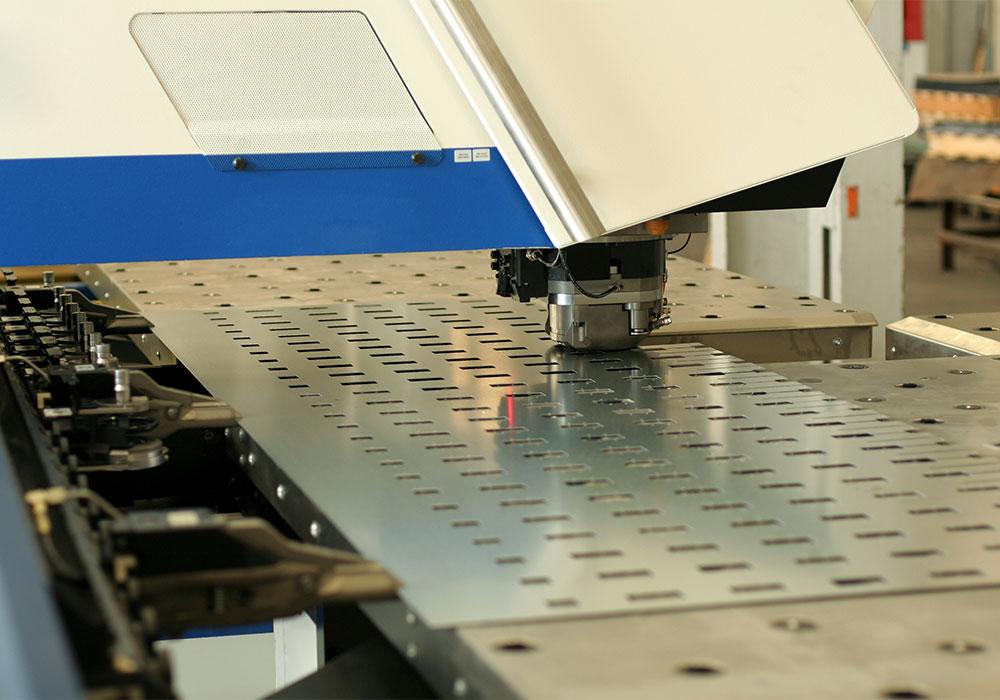
Achieving high accuracy in steel stamping operations depends on a variety of factors, but one of the most critical is the impact of press rigidity on stamping precision. Press rigidity refers to the ability of a stamping press to resist deformation under load. When a press is sufficiently rigid, it maintains alignment and consistent force throughout the stamping cycle, resulting in parts that meet tight tolerances and quality standards. Conversely, a lack of rigidity can introduce errors, inconsistencies, and defects into stamped components.
Understanding how press rigidity influences the outcome of steel stamping is essential for manufacturers aiming to optimize their processes, minimize waste, and deliver reliable products. This article explores the technical aspects of press rigidity, its direct effects on stamping accuracy, and practical steps to ensure optimal performance in your operations.
For those looking to further improve their stamping process, understanding how to reduce tool wear in heavy gauge stamping can be a valuable next step. Tool wear and press rigidity are closely linked, as a rigid press can help extend tool life by minimizing misalignment and uneven force distribution.
Why Press Rigidity Matters in Steel Stamping
Press rigidity is a foundational element in the pursuit of stamping precision. When a press flexes or deflects under load, it can cause the die and punch to misalign, leading to dimensional inaccuracies, burrs, or even tool damage. The impact of press rigidity on stamping precision is especially pronounced in high-tonnage applications and when working with harder materials.
- Consistent Force Application: A rigid press ensures that the force applied to the workpiece is distributed evenly, reducing the risk of uneven deformation or incomplete forming.
- Die Alignment: Maintaining precise alignment between the upper and lower dies is crucial for producing parts within specification. Any flex in the press frame can compromise this alignment.
- Repeatability: High rigidity supports consistent results across long production runs, which is vital for industries requiring mass production of identical parts.
Factors Affecting Press Rigidity
Several design and operational factors influence the rigidity of a stamping press. Understanding these can help manufacturers select the right equipment and maintain optimal conditions for precision work.
- Frame Construction: The material, thickness, and geometry of the press frame play a significant role in its ability to withstand deformation.
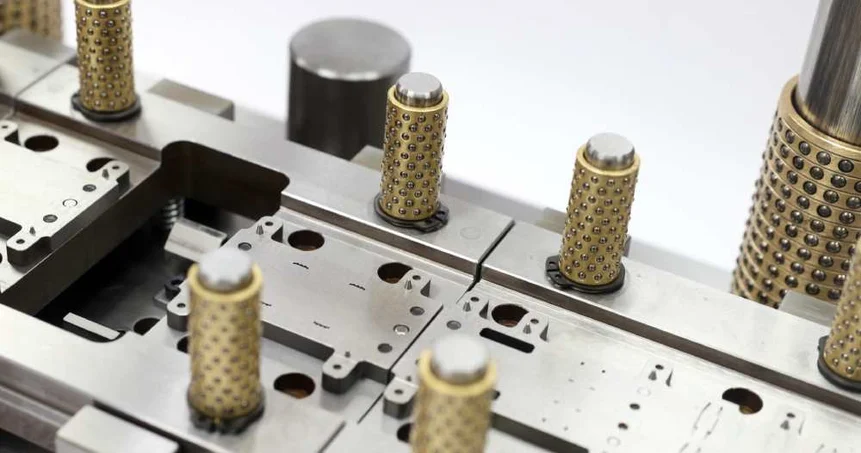
- Slide Guidance System: Precision guidance systems minimize lateral movement and help maintain die alignment throughout the stroke.
- Bolster Plate Strength: A robust bolster plate resists bending and helps distribute force evenly across the die set.
- Press Type: Mechanical and hydraulic presses differ in their rigidity characteristics. For a detailed comparison, see the differences between hydraulic and mechanical stamping presses.
How Rigidity Influences Stamping Precision
The relationship between press rigidity and stamping accuracy is direct and measurable. When a press lacks sufficient rigidity, several issues can arise:
- Dimensional Variability: Flexing of the press frame or bolster can result in parts that deviate from specified dimensions, especially in critical features such as holes, bends, and formed edges.
- Increased Burr Formation: Misalignment caused by press deflection can lead to excessive burrs on stamped parts. For tips on minimizing burrs, refer to how to minimize burrs in stamped parts.
- Tool Wear and Damage: Uneven force and misalignment accelerate tool wear, increasing maintenance costs and downtime.
- Poor Surface Finish: Inconsistent pressure can cause surface imperfections, which may require additional finishing operations.
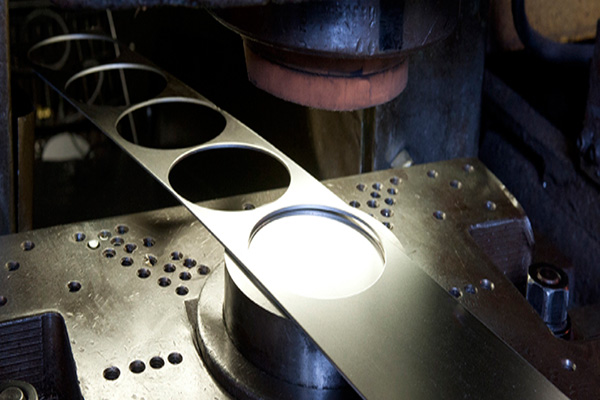
Testing and Measuring Press Rigidity
To ensure optimal performance, manufacturers often assess press rigidity using a combination of engineering calculations and practical tests. Common methods include:
- Finite Element Analysis (FEA): Computer simulations can predict how a press frame will respond to various loads, identifying potential weak points.
- Deflection Measurement: Using dial indicators or laser measurement tools, technicians can measure frame and bolster movement under load.
- Trial Runs: Producing test parts and inspecting them for dimensional accuracy helps verify that the press maintains rigidity during actual production.
Regular testing is especially important when switching between different dies or materials, as each setup may place unique demands on the press structure.
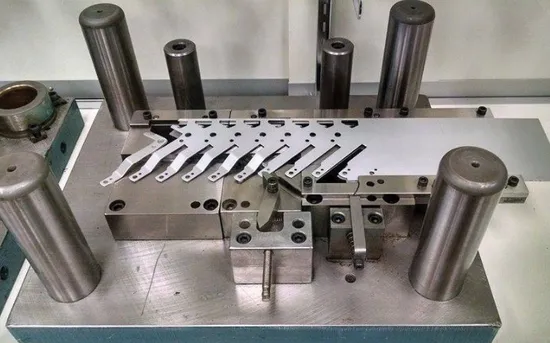
Strategies to Enhance Rigidity and Stamping Quality
Improving press rigidity is a practical way to boost part quality and reduce scrap rates. Here are some actionable strategies:
- Regular Maintenance: Inspect and tighten all structural connections, replace worn components, and ensure the slide guidance system is operating smoothly.
- Upgrading Equipment: When possible, invest in presses with higher rigidity ratings or retrofit existing machines with reinforced frames or bolsters.
- Optimizing Die Design: Work with toolmakers to design dies that distribute force evenly and minimize off-center loading.
- Monitoring Production: Use in-process inspection techniques to catch deviations early. For guidance on quality checks, see how to inspect stamped steel parts for quality.
By focusing on these areas, manufacturers can achieve tighter tolerances, longer tool life, and more consistent results in their stamping operations.
Safety and Efficiency Considerations
While rigidity is key to accuracy, it also plays a role in workplace safety and operational efficiency. A rigid press is less likely to experience unexpected movements or failures that could endanger operators. For a broader look at safety in metal forming environments, consider reading about best practices for safety in the metal stamping industry.
Additionally, maintaining proper rigidity can reduce downtime caused by tool breakage or part rework, leading to a more efficient and profitable operation.
Frequently Asked Questions
How does press rigidity affect the quality of stamped steel parts?
Press rigidity directly influences the dimensional accuracy and surface finish of stamped components. A rigid press maintains die alignment and consistent force, resulting in parts that meet tight tolerances and require less secondary processing.
What are common signs that a press lacks sufficient rigidity?
Symptoms of insufficient rigidity include dimensional inconsistencies, excessive burrs, premature tool wear, and visible deflection or misalignment during operation. Regular inspections and measurements can help detect these issues early.
Can existing presses be upgraded to improve rigidity?
Yes, many presses can be retrofitted with reinforced frames, upgraded bolster plates, or improved slide guidance systems to enhance their rigidity. Regular maintenance and proper setup also contribute to maintaining structural integrity.
Conclusion
Press rigidity is a cornerstone of precision in steel stamping. By understanding and addressing the factors that affect rigidity, manufacturers can achieve higher quality, reduce costs, and ensure safer, more efficient operations. Whether through equipment upgrades, maintenance, or process optimization, prioritizing rigidity pays dividends in every stamped part produced.