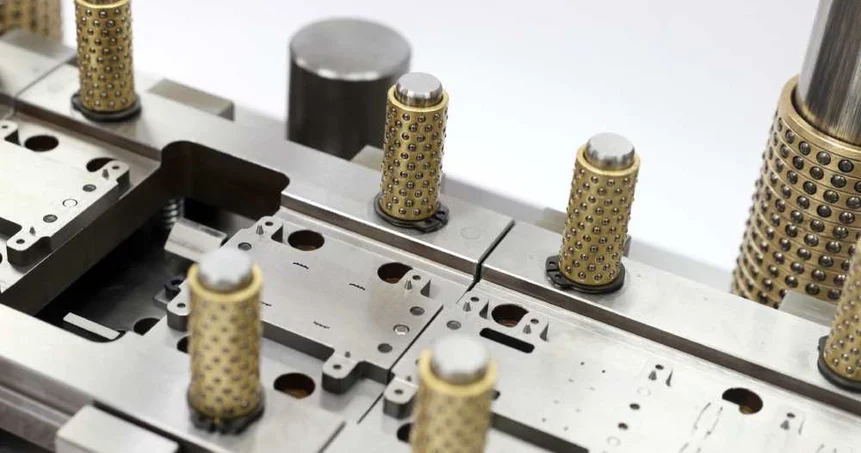
Steel stamping is a critical process in manufacturing, producing components for industries ranging from automotive to electronics. One often overlooked but essential factor in achieving consistent, high-quality stamped parts is the steel stamping material grain size importance. The microscopic structure of steel, particularly the size and orientation of its grains, has a direct impact on how the material behaves during stamping, influencing everything from surface finish to dimensional accuracy and tool life.
Understanding how grain size affects stamping outcomes helps manufacturers make informed decisions about material selection and process optimization. This article explores the role of grain size in steel stamping, why it matters for quality, and how to manage it for optimal results. For those looking to further enhance their stamping operations, resources such as how to reduce tool wear in heavy gauge stamping offer valuable insights into related process improvements.
Understanding Grain Structure in Steel
Steel is composed of tiny crystals known as grains. These grains form during the solidification of molten steel and can vary in size depending on the cooling rate, alloy composition, and subsequent processing. The boundaries between grains act as barriers to dislocation movement, which is a key mechanism in plastic deformation.
Grain size is typically measured in micrometers (µm) and can be classified as fine, medium, or coarse. Fine-grained steels have more grain boundaries per unit area, while coarse-grained steels have fewer but larger grains. The importance of steel stamping material grain size lies in how these structural differences affect the material’s mechanical properties and its response to stamping forces.
How Grain Size Influences Stamping Performance
The size of the grains in steel has a profound effect on several aspects of the stamping process. Here’s how grain size impacts key quality factors:
- Formability: Fine-grained steel is generally more ductile and can be formed into complex shapes with less risk of cracking. This is because the numerous grain boundaries help distribute deformation more evenly.
- Surface Finish: Smaller grains produce smoother surfaces after stamping, which is critical for parts requiring tight tolerances or aesthetic appeal.
- Strength and Hardness: Fine grains increase strength and hardness due to the Hall-Petch relationship, which states that smaller grains impede dislocation movement more effectively.
- Tool Wear: Coarse-grained materials can cause accelerated tool wear due to uneven deformation and higher localized stresses. This can increase maintenance costs and downtime.
- Springback: Grain size affects the amount of elastic recovery (springback) after stamping. Fine-grained steel tends to have more predictable springback, aiding in dimensional control.
Why Grain Size Matters for Stamping Quality
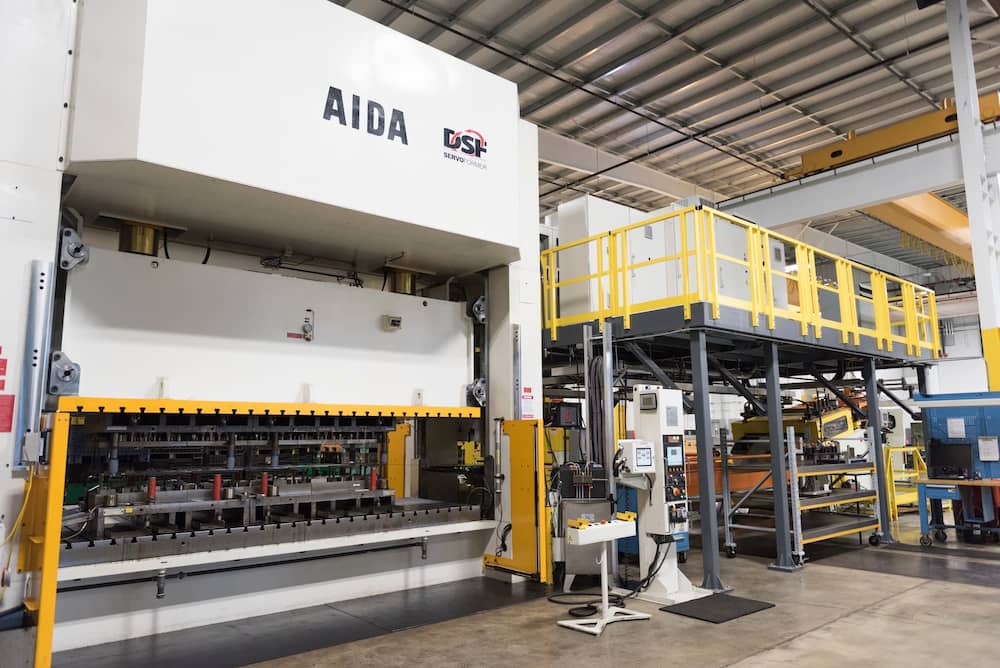
The importance of grain size in steel stamping becomes clear when considering the demands placed on stamped components. Consistent grain size ensures uniform mechanical properties, reducing the likelihood of defects such as tearing, wrinkling, or uneven edges. In high-precision applications, such as automotive body panels or electronic connectors, even minor variations in grain structure can lead to significant quality issues.
Additionally, grain size can influence the efficiency of secondary operations like welding, coating, or machining. For example, fine-grained steel typically welds more consistently and provides a better base for surface treatments. Manufacturers aiming to minimize burrs and improve edge quality can benefit from understanding how grain size interacts with other process variables. For more on this, see how to minimize burrs in stamped parts.
Controlling Grain Size During Steel Production
Producers can tailor the grain size of steel through various metallurgical techniques:
- Thermal Treatments: Processes such as annealing or normalizing alter the grain structure by heating and controlled cooling, refining grains and improving ductility.
- Alloying Elements: Adding elements like aluminum, niobium, or vanadium can inhibit grain growth during processing, resulting in finer grains.
- Rolling and Working: Cold and hot rolling processes break up larger grains and promote finer, more uniform structures.
By specifying the desired grain size in material requirements, manufacturers can ensure that incoming steel meets the needs of their stamping operations. Regular inspection and testing, such as metallographic analysis, help verify that grain size remains within acceptable limits.
Practical Steps for Managing Grain Size in Stamping Operations
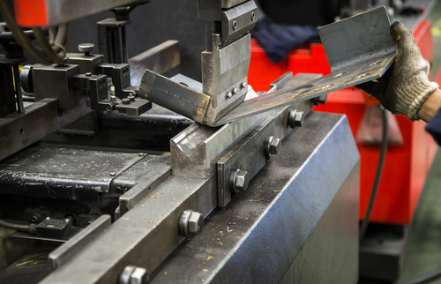
To maximize the benefits of optimal grain size, manufacturers and engineers should consider the following best practices:
- Specify Material Requirements: Clearly state grain size requirements in purchase orders and technical specifications.
- Work with Trusted Suppliers: Partner with steel mills that have proven capabilities in producing material with controlled grain size.
- Inspect Incoming Material: Use metallographic testing to verify that supplied steel meets grain size criteria before it enters production.
- Monitor Process Variables: Track stamping parameters such as speed, force, and lubrication, as these can interact with grain size to affect outcomes.
- Maintain Tooling: Proper die maintenance is essential, as tool wear can be exacerbated by inappropriate grain size. For more on this, see stamping die repair and maintenance basics.
Adopting these measures helps ensure that grain size is not a source of variability or defects in the stamping process.
Related Considerations in Steel Stamping
While grain size is a key factor, it’s important to consider it alongside other material and process variables. For example, the type of stamping press used can influence how grain size interacts with forming forces. Those interested in the differences between press types may find differences between hydraulic and mechanical stamping presses informative.
Safe and efficient handling of coil stock also contributes to maintaining material integrity, including grain structure. For best practices, refer to how to handle coil stock for stamping. Finally, rigorous inspection of finished parts is essential to verify that grain size and other quality parameters meet specifications. More details can be found in how to inspect stamped steel parts for quality.
FAQ
How does grain size affect the strength of stamped steel parts?
Finer grain size generally increases the strength and hardness of steel due to the greater number of grain boundaries, which impede dislocation movement. This results in stamped parts that are more resistant to deformation and wear.
Can grain size be adjusted after steel has been stamped?
Once steel has been stamped, altering the grain size is not practical without significant reprocessing, such as heat treatment. It’s best to specify and verify the desired grain size before stamping begins.
What is the ideal grain size for high-quality steel stamping?
The ideal grain size depends on the application, but in general, a fine and uniform grain structure is preferred for most precision stamping tasks. This provides a balance of ductility, strength, and surface finish.