
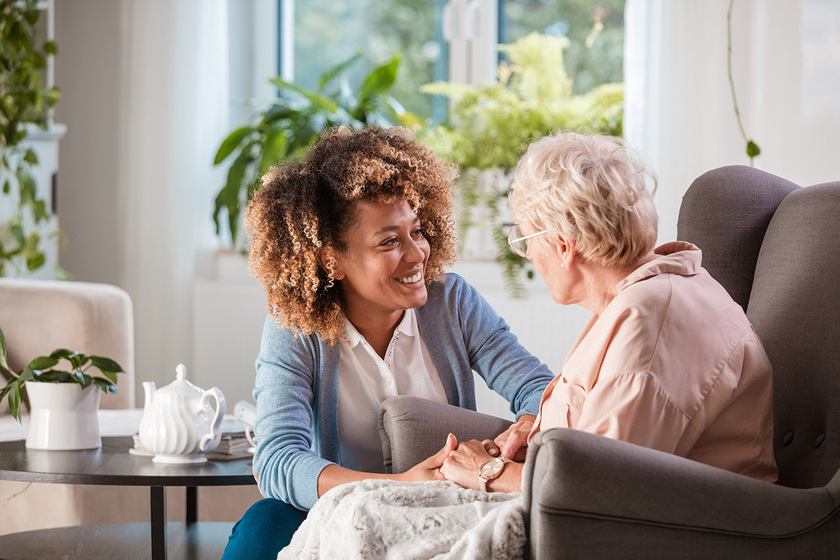
Living solo can be both empowering and challenging. While independence brings freedom, it can also introduce unique pressures and emotional hurdles. For many, stress management living alone is a crucial skill that helps maintain a balanced, enjoyable lifestyle. Whether you’re newly independent or have been on your own for years, learning how to handle daily stressors is essential for your well-being.
This article explores practical strategies for reducing stress when living by yourself, from building healthy routines to connecting with others and creating a safe, supportive environment. Along the way, you’ll find useful resources, including guidance on independent living social safety, to help you feel secure and confident in your solo lifestyle.
Understanding the Challenges of Solo Living
Living alone offers flexibility and control over your environment, but it can also lead to feelings of isolation or overwhelm. Common stressors include managing household responsibilities, handling emergencies, and maintaining social connections. Recognizing these challenges is the first step toward effective stress management living alone.
- Loneliness: Without daily interactions, it’s easy to feel disconnected.
- Safety concerns: Worrying about accidents or security can increase anxiety.
- Decision fatigue: Handling every choice alone can be mentally taxing.
- Routine disruption: Lack of structure may lead to unhealthy habits.
Building a Supportive Daily Routine
Establishing a consistent schedule can help reduce uncertainty and bring a sense of stability. A well-structured day supports both mental and physical health, making it easier to manage stress and enjoy your independence.
- Set regular wake-up and sleep times to regulate your body clock and improve rest.
- Plan meals and exercise in advance to support nutrition and fitness.
- Schedule breaks for relaxation, hobbies, or connecting with friends.
- Keep a to-do list to organize tasks and prevent overwhelm.
Staying Connected: Social Strategies for Well-Being
Social interaction is a key component of stress management living alone. Even if you enjoy solitude, maintaining relationships can provide emotional support and reduce feelings of isolation.
- Reach out regularly to friends, family, or neighbors through calls, texts, or video chats.
- Join local groups or online communities that share your interests or hobbies.
- Volunteer or participate in community events to meet new people and give back.
- Consider support networks specifically designed for those living independently, such as community support independent living programs.
Creating a Safe and Comfortable Home Environment
Feeling secure in your home is fundamental to reducing stress. Simple safety measures can bring peace of mind and help you relax, knowing you’re prepared for unexpected situations.
- Install reliable locks on doors and windows, and consider a basic security system.
- Keep emergency contacts easily accessible, including neighbors or nearby friends.
- Maintain good lighting both inside and outside your home to prevent accidents.
- Prepare for emergencies with a stocked first aid kit and knowledge of local resources.
- For more ideas on staying safe, check out these safety tips for solo living.
Healthy Habits for Managing Stress When Living Alone
Adopting positive lifestyle habits can make a significant difference in how you handle daily pressures. Here are some effective techniques for supporting your mental and emotional health:
- Practice mindfulness through meditation, deep breathing, or gentle stretching.
- Stay physically active with regular walks, yoga, or home workouts.
- Limit screen time and avoid excessive news consumption to reduce anxiety.
- Keep a journal to process your thoughts and track your mood.
- Seek professional support if you’re feeling persistently overwhelmed or anxious.
Financial and Digital Safety for Independent Living
Financial worries and digital threats can add to the stress of living alone. Proactively managing your finances and protecting your personal information are essential steps for peace of mind.
- Monitor your accounts and set up alerts for unusual activity.
- Use strong passwords and update them regularly for all online accounts.
- Be cautious with unsolicited calls or emails to avoid scams.
- For more advice, explore resources on financial safety independent living and scam prevention independent living.
- If you’re concerned about identity theft, review these identity theft prevention seniors tips.
Frequently Asked Questions
How can I reduce loneliness when living by myself?
Staying socially active is key. Schedule regular calls or visits with friends and family, join community groups, or participate in online forums. Volunteering and engaging in hobbies can also help you connect with others and build a sense of belonging.
What are some quick ways to relieve stress at home?
Simple activities like deep breathing, listening to music, stretching, or taking a short walk can quickly lower stress levels. Keeping your living space tidy and organized also contributes to a calmer environment.
How do I stay safe while living alone?
Ensure doors and windows are secure, keep emergency contacts handy, and maintain good lighting. Consider sharing your daily routine with a trusted friend or neighbor. For additional guidance, refer to independent living social safety resources.