
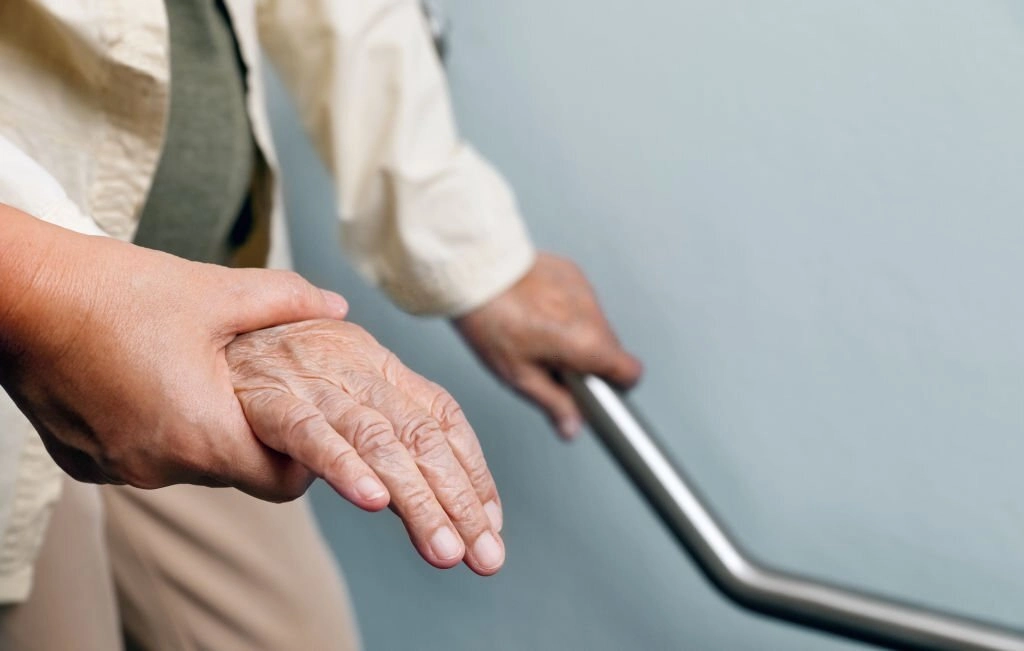
Maintaining independent living mental health safety is a top priority for individuals who value autonomy while managing their well-being. Living independently offers freedom and self-determination, but it also comes with unique challenges—especially for those navigating mental health concerns. Creating a safe and supportive environment is essential for fostering confidence, reducing risks, and promoting a fulfilling lifestyle.
This article explores practical approaches to support emotional wellness, physical safety, and social connection for people choosing to live on their own. Whether you are an older adult, a person with a mental health diagnosis, or a loved one supporting someone in independent housing, these strategies can help build a secure foundation for daily life.
For those looking to enhance their emotional resilience, stress management living alone offers additional tips tailored to solo living.
Understanding the Importance of Mental Health Safety in Solo Living
Living alone can provide a sense of independence, but it also requires proactive steps to ensure both physical and psychological safety. Mental health safety in this context means creating routines, environments, and support systems that minimize risks and promote well-being. This is particularly important for individuals who may be at risk of isolation, anxiety, or depression.
Key elements of a safe independent lifestyle include:
- Establishing daily routines that support structure and predictability
- Maintaining regular social contact to prevent loneliness
- Ensuring the home environment is free from hazards
- Having access to mental health resources and crisis support
Building a Safe Home Environment for Emotional Well-Being
The physical space where you live can significantly impact your mental health. A safe, organized, and comfortable home helps reduce stress and supports emotional stability. Consider the following strategies:
- Declutter regularly to minimize overwhelm and create a calming atmosphere.
- Install safety features such as grab bars, smoke detectors, and secure locks.
- Keep emergency contact information visible and accessible.
- Ensure adequate lighting to prevent accidents and boost mood.

For older adults or those with mobility challenges, reviewing comprehensive home safety guides for seniors can provide further insights into creating a secure environment.
Social Connection and Its Role in Mental Health Protection
Social isolation is a significant risk factor for mental health decline among people living alone. Staying connected with friends, family, or community groups can provide emotional support and a sense of belonging. Here are some ways to foster social safety:
- Schedule regular phone or video calls with loved ones.
- Participate in local clubs, classes, or volunteer opportunities.
- Consider joining online communities tailored to your interests or needs.
- Reach out to neighbors or building staff for casual interactions and support.
Additional advice on independent living social safety can help you strengthen your network and reduce the risk of loneliness.

Routine and Self-Care: Foundations of Mental Wellness
Developing a daily routine is one of the most effective ways to support mental health in an independent living setting. Structure provides predictability, which can reduce anxiety and help manage symptoms of depression or other mental health conditions.
- Set consistent wake-up and bedtime hours.
- Plan regular meals and incorporate nutritious foods.
- Schedule time for physical activity, even if it’s a short walk.
- Include relaxation techniques such as meditation or deep breathing.
- Track your mood and energy levels to identify patterns and triggers.
Remember, self-care is not selfish—it’s a necessary part of maintaining your health and independence.
Recognizing Warning Signs and When to Seek Help
Being able to identify early signs of mental health distress is crucial for anyone living alone. These may include changes in sleep or appetite, withdrawal from social activities, increased irritability, or feelings of hopelessness. If you notice these changes in yourself or someone you care about, it’s important to reach out for support.
- Contact a mental health professional for assessment and guidance.
- Let trusted friends or family know how you’re feeling.
- Use crisis helplines if you experience thoughts of self-harm or suicide.
- Keep a list of emergency contacts and resources in an easily accessible place.
Technology Tools for Enhancing Independent Living Safety
Modern technology offers a range of tools to support safety and mental well-being for those living on their own. Consider integrating these solutions into your daily life:
- Medical alert systems for immediate assistance in emergencies
- Mental health apps for mood tracking, meditation, or therapy
- Smart home devices to automate lighting, reminders, and security
- Online platforms for connecting with healthcare providers or support groups
Technology can also help with scam prevention independent living, protecting your personal information and financial security.
Community Resources and Support Networks
No one should feel they have to manage everything alone. Community organizations, peer groups, and local services can provide valuable support for those prioritizing mental health in an independent setting. Look for:
- Local mental health clinics or counseling services
- Community centers offering wellness programs and social activities
- Peer support groups for shared experiences and encouragement
- Volunteer organizations that provide check-ins or companionship visits
Exploring community support independent living resources can help you find the right fit for your needs.
Protecting Yourself from Scams and Identity Theft
Financial safety is an important aspect of overall well-being. Individuals living independently may be targeted by scams or identity theft attempts. Stay vigilant by:
- Being cautious with unsolicited phone calls or emails
- Shredding sensitive documents before disposal
- Using strong, unique passwords for online accounts
- Monitoring bank statements for unusual activity
For more detailed advice, review identity theft prevention seniors to safeguard your personal information.
Frequently Asked Questions
What are the most important safety measures for mental health in independent living?
Key measures include establishing a structured routine, maintaining regular social contact, creating a hazard-free home, and having access to mental health resources. Using technology for reminders and emergency alerts can also enhance safety.
How can I reduce feelings of loneliness while living alone?
Stay connected with friends and family through regular calls or visits, join local clubs or online groups, and participate in community activities. Volunteering or attending group events can also help build meaningful relationships.
When should I seek professional help for mental health concerns?
If you experience persistent changes in mood, appetite, or sleep, feel overwhelmed, or have thoughts of self-harm, it’s important to reach out to a mental health professional or a trusted support person as soon as possible.