
Preparing for emergencies is essential for anyone living independently, especially older adults and those in senior communities. Disasters can strike unexpectedly, and having a solid plan in place helps ensure safety, confidence, and peace of mind. This article explores practical steps, resources, and strategies for independent living disaster preparedness, empowering individuals to protect themselves and their communities before, during, and after a crisis.
Whether you are living alone, in a retirement community, or supporting a loved one, understanding potential hazards and developing a comprehensive approach to emergency readiness is crucial. For more on identifying and reducing risks at home, see our guide on independent living hazard awareness.
Understanding the Importance of Emergency Planning
Emergencies such as fires, floods, earthquakes, and severe storms can disrupt daily life and access to essential services. For those living independently, being prepared means more than just having supplies—it involves knowing what to do, who to contact, and how to stay safe if normal routines are interrupted.
A well-thought-out plan not only reduces anxiety but also increases the likelihood of a quick and effective response. It’s important to regularly review and update your plan as circumstances or health needs change.
Key Steps for Independent Living Disaster Preparedness
Building a robust emergency strategy involves several core components. Below are actionable steps to help you get started:
- Assess Local Risks: Identify which types of disasters are most likely in your area. This could include wildfires, hurricanes, power outages, or winter storms.
- Create a Communication Plan: Make sure you have up-to-date contact information for family, friends, neighbors, and local emergency services. Decide on a primary and backup way to communicate if phone lines are down.
- Prepare an Emergency Kit: Stock up on water, non-perishable food, medications, flashlights, batteries, first aid supplies, and important documents. Include items specific to your health needs, such as hearing aid batteries or mobility aids.
- Know Your Evacuation Routes: Familiarize yourself with local evacuation plans and routes. If you have mobility challenges, arrange transportation in advance.
- Stay Informed: Sign up for local alerts and weather notifications. Keep a battery-powered radio handy in case of power loss.
Building a Support Network for Emergency Situations
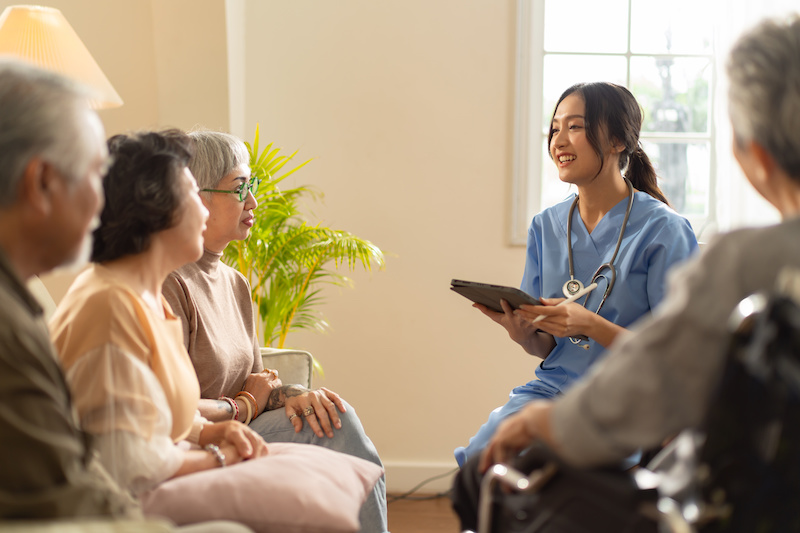
No one should face a disaster alone. Establishing a reliable support network is a vital part of independent living disaster preparedness. This network can include neighbors, friends, family, and community organizations who can check in, provide assistance, or help with evacuation if needed.
- Share Your Plan: Inform your support network about your emergency plans and any special requirements you may have.
- Buddy System: Pair up with a neighbor or friend to check on each other during emergencies.
- Community Resources: Many local agencies offer programs to assist seniors and those with disabilities during disasters. Register with these services in advance.
For additional guidance on maintaining a safe and secure lifestyle, you may find our independent living safety tips helpful.
Adapting Your Home for Emergency Readiness
Making your living space safer and more resilient is another key aspect of disaster planning. Simple changes can make a significant difference in an emergency.
- Install Smoke and Carbon Monoxide Detectors: Test them regularly and replace batteries as needed.
- Secure Heavy Objects: Anchor bookshelves, TVs, and other large items to prevent tipping during earthquakes or storms.
- Keep Exits Clear: Ensure that hallways and doorways are free of clutter for quick evacuation.
- Label Important Items: Clearly mark emergency shut-offs for gas, water, and electricity.
For more comprehensive advice on minimizing risks at home, our independent living risk prevention article offers practical strategies.

Staying Safe During and After a Disaster
When an emergency occurs, staying calm and following your plan is essential. Listen for official instructions, use your emergency kit, and communicate with your support network. After the immediate danger has passed, check for hazards before moving around your home, and seek medical attention if needed.
Recovery can take time. Reach out to local organizations for assistance with food, shelter, and emotional support. For more information on maintaining safety in senior living environments, you can visit this comprehensive resource on senior living safety tips.
Maintaining and Updating Your Emergency Plan
Disaster preparedness is not a one-time task. Review your emergency plan regularly—at least once a year or whenever your health, living situation, or local risks change. Update contact lists, check expiration dates on supplies, and practice evacuation procedures. Involving your support network in these reviews helps ensure everyone is ready to act if needed.
For a broader overview of safety for adults and seniors, see our independent living safety guide.
Frequently Asked Questions
What should be included in an emergency kit for independent living?
An emergency kit should contain water (one gallon per person per day for at least three days), non-perishable food, prescription medications, a flashlight, extra batteries, a first aid kit, important documents, cash, and any personal items such as glasses or hearing aid batteries. Consider adding comfort items and supplies for pets if applicable.
How can I stay informed about local disasters or emergencies?
Sign up for local emergency alerts through your city or county’s website. Keep a battery-powered or hand-crank radio for updates if power or internet is lost. Many communities also offer text or phone notification systems.
What steps should I take if I have mobility or medical needs?
If you use mobility aids, arrange for accessible transportation in advance and inform your support network about your needs. Keep extra supplies and medical equipment in your emergency kit. Register with local emergency services or community programs that assist individuals with special needs during disasters.