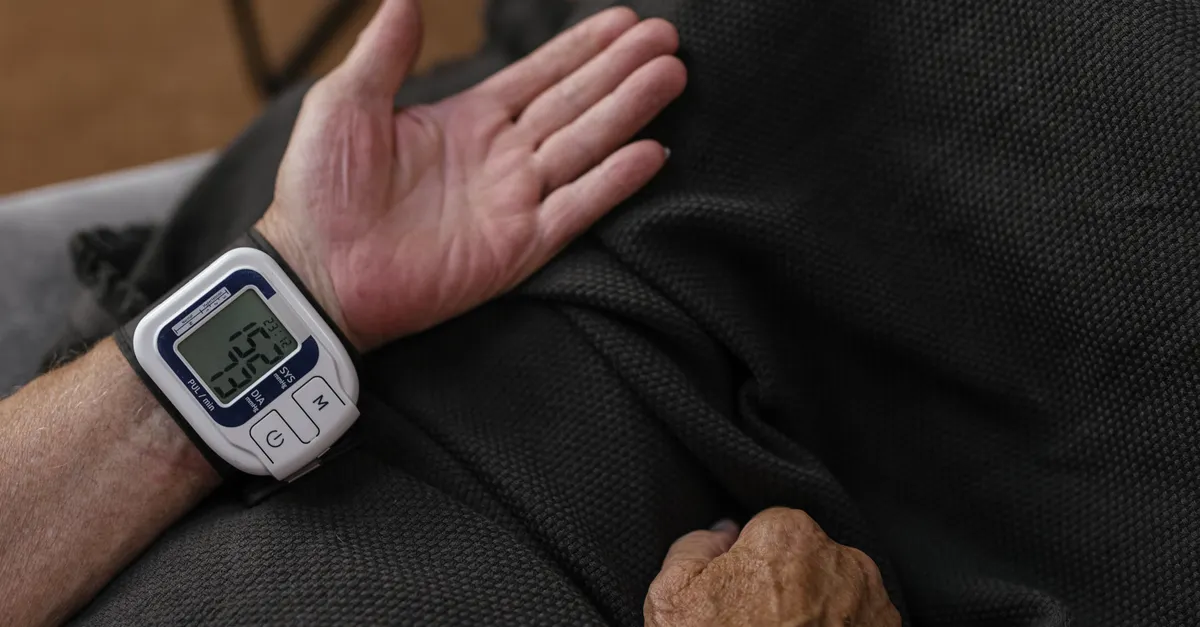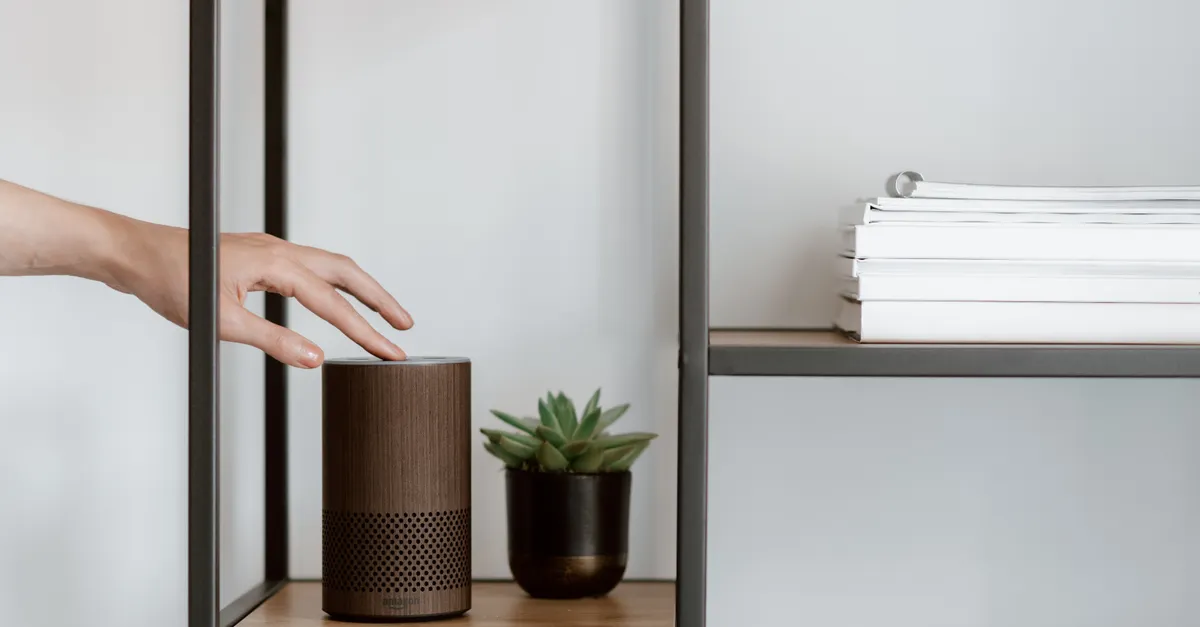
In today’s rapidly advancing world, voice-activated devices have become a big upgrade for seniors with disabilities. These devices offer a new level of independence and safety, allowing users to perform tasks hands-free, which is especially beneficial for those with mobility or dexterity challenges. The ability to control devices through voice commands can significantly enhance the quality of life, making everyday tasks more manageable and less stressful. Assistive technology research supports this enhancement for seniors with disabilities.
However, choosing the right device can be daunting. With numerous options on the market, each boasting various features and capabilities, it’s crucial to find one that truly meets the specific needs of seniors with disabilities. This guide focuses on the best voice-activated devices, highlighting their unique features and how they can be integrated with other assistive technologies for a more comprehensive support system.
Voice-Activated Device Reviews
1 COHANA Voice Recorder
Best For: Long Recording Sessions
Perfect for those who need extensive recording capabilities, this device offers up to 40 days of continuous recording with advanced noise reduction.

Why We Like It
This COHANA voice recorder is a powerhouse for anyone who needs to capture audio over extended periods. Its AI-driven noise reduction ensures clarity, making it ideal for recording lectures or meetings. The device’s magnetic design allows for easy attachment to metal surfaces, freeing up your hands. However, its advanced features might be overwhelming for those unfamiliar with tech gadgets.
- AI-Triple Noise Reduction Technology
- 40 Days Continuous Recording Capability
- Dual Powerful Magnetic Design
- Large Storage Capacity
2 SierraTeck MicroSound Player
Best For: Personalized Audio Reminders
If you need a device for personalized reminders, this motion-activated player is perfect with its easy recording feature.

Why We Like It
The SierraTeck MicroSound Player is a versatile tool for those who need reminders throughout the day. Its motion activation means it can greet you with a message as you enter a room, which is perfect for seniors who may need prompts for daily tasks. The device’s compact size makes it easy to place anywhere, though its effectiveness is best in smaller spaces.
- Indoor Motion Activated Audio Player
- Built-in Microphone for Instant Recording
- Endless Applications for Indoor Use
3 MEDca Personal Sound Amplifier
Best For: Enhanced Hearing
Designed for those who need a boost in hearing, this amplifier offers clear sound up to 100 feet away.

Why We Like It
The MEDca Personal Sound Amplifier is a great choice for those who need to enhance their hearing ability. Its lightweight design makes it easy to carry, and the built-in microphone ensures you won’t miss a sound. However, be prepared for frequent battery changes, which might be a hassle for some users.
- Hear Everything Up to 100 Feet Away
- Light-Weight & Easy to Use
- Highly Effective Built-In Microphone
How to Choose the Right Device
Understanding Your Needs
When selecting a voice-activated device, it’s essential to consider the specific needs of the user. Factors such as hearing, speech, and mobility should guide your choice. Devices like the voice-activated devices for seniors can offer tailored solutions.
Integration with Other Technologies
Consider how the device can integrate with other assistive technologies. This integration can enhance the overall support system, providing a seamless experience for the user.
Safety Features
Ensure that the device includes essential safety features, such as emergency alerts or fall detection. These features can be crucial in providing peace of mind for both the user and their caregivers.
Cost Considerations
While cost is an important factor, it shouldn’t be the only consideration. Evaluate the features and benefits of each device to determine if it offers good value for the price.
Frequently Asked Questions
What are the benefits of voice-activated devices for seniors with disabilities?
Voice-activated devices allow seniors to perform tasks hands-free, which can be particularly beneficial for those with mobility or dexterity challenges. They can enhance independence and safety by enabling users to control devices through simple voice commands.
How do these devices integrate with other assistive technologies?
Many voice-activated devices can connect with other smart home or assistive technologies, creating a comprehensive support system. This integration can streamline daily tasks and improve the overall quality of life for seniors.
Are there any safety concerns with using voice-activated devices?
While voice-activated devices offer numerous benefits, it’s important to ensure they are set up correctly and monitored regularly. Professional installation and setup can help mitigate potential risks and ensure the devices function as intended.
Conclusion
Choosing the right voice-activated device for seniors with disabilities involves considering various factors, including the user’s specific needs and the device’s features. By focusing on integration and safety, these devices can significantly enhance the quality of life for seniors, providing them with greater independence and peace of mind.