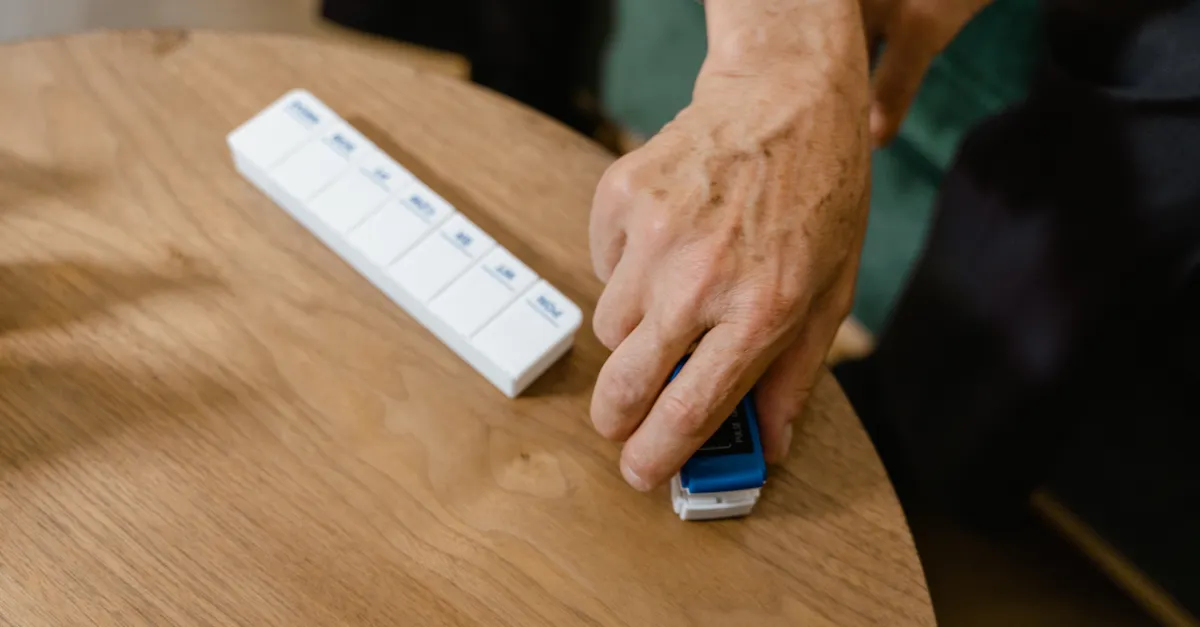
Falls are a leading cause of injury among older adults, often resulting in serious health consequences and loss of independence. As the population ages, families and care providers are increasingly turning to remote health monitoring for fall prevention as a proactive approach to keeping seniors safe at home and in care facilities. This article explores how these technologies work, their effectiveness, the benefits and challenges involved, and how they can be thoughtfully integrated into senior care plans.
Understanding Remote Monitoring and Its Role in Fall Prevention
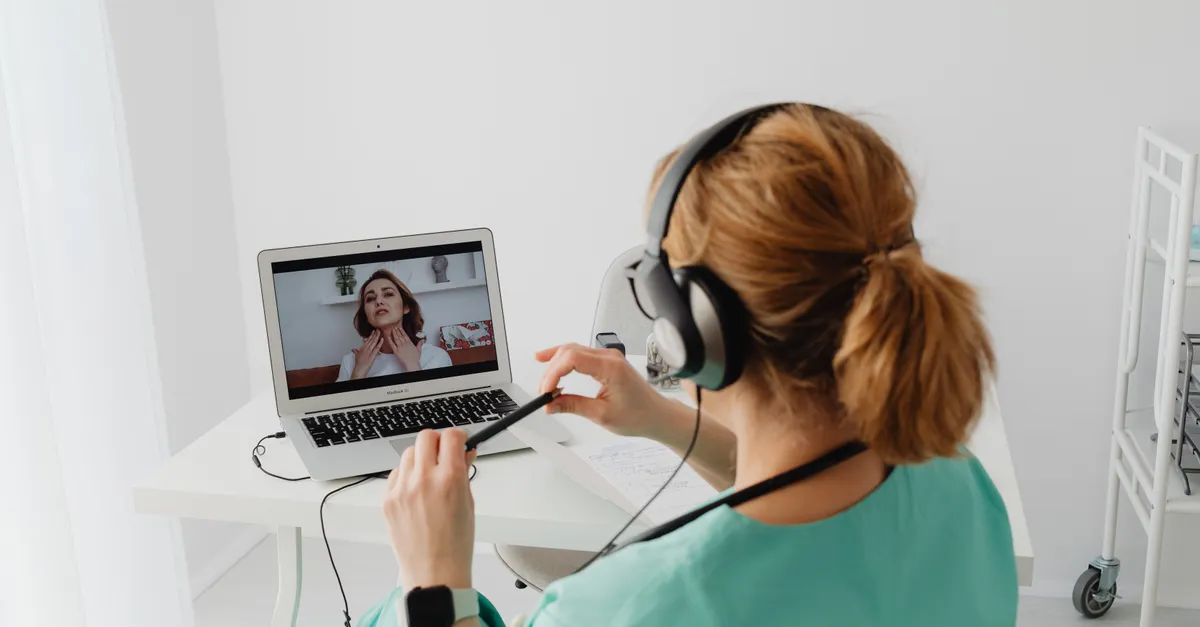
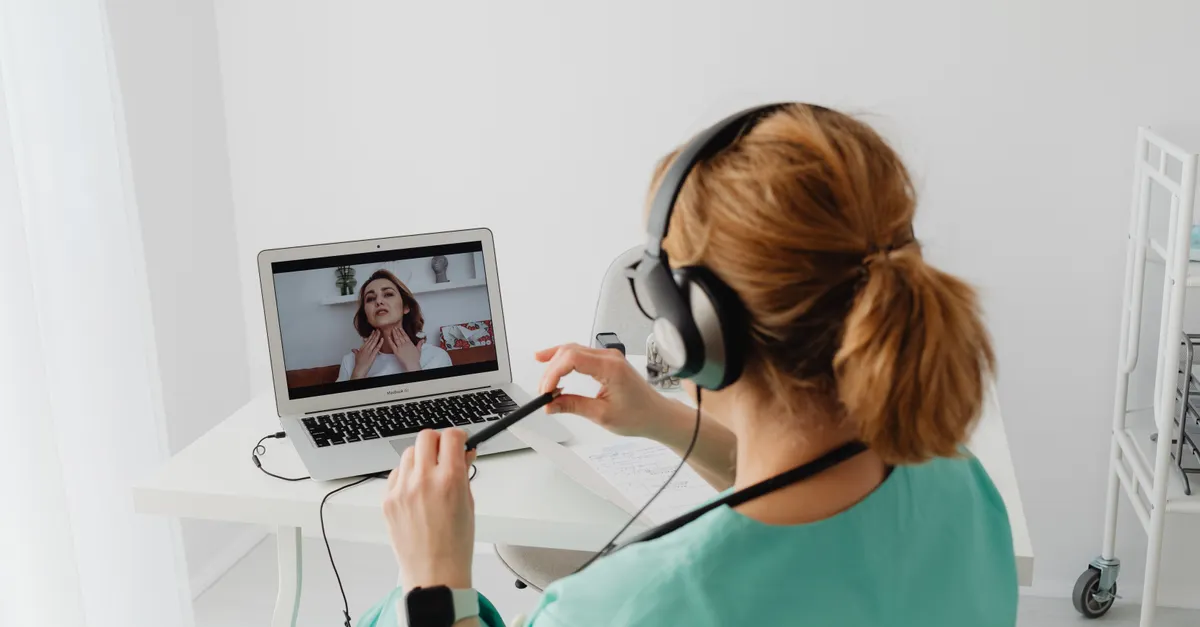
Remote health monitoring refers to the use of digital technologies to observe and track a person’s health status and activities from a distance. In the context of fall prevention, these systems are designed to detect, predict, or alert caregivers to situations where a senior may be at risk of falling. Since falls can lead to significant injuries, hospitalizations, and even long-term disability, preventing them is a top priority for families and healthcare professionals alike.
By providing continuous oversight without the need for constant in-person supervision, remote monitoring tools help bridge the gap between independence and safety for seniors living alone or in assisted environments.
Key Technologies Used in Remote Health Monitoring for Fall Prevention
Several types of technology are used to support fall prevention through remote monitoring. Each offers unique features and benefits, and understanding these differences can help families and care teams make informed choices.
- Wearable Fall Detectors: Devices such as smartwatches or pendants equipped with accelerometers and gyroscopes can detect sudden movements or impacts that suggest a fall has occurred. Many of these devices automatically send alerts to caregivers or emergency services if a fall is detected.
- Video Monitoring Systems: Cameras placed in key areas of the home allow for real-time observation and can be paired with artificial intelligence to recognize unusual movements or inactivity that may indicate a fall. Privacy settings and consent are crucial considerations when using video monitoring.
- Bed and Chair Sensors: Pressure-sensitive pads placed on beds or chairs can detect when a person gets up unexpectedly, which is a common time for falls. These sensors can trigger alerts to caregivers, allowing for rapid response.
- Motion Sensors and Smart Home Integration: Motion detectors installed throughout the home can track movement patterns, identify changes in mobility, and send alerts if there is a lack of movement or if someone enters a high-risk area, such as a bathroom at night.
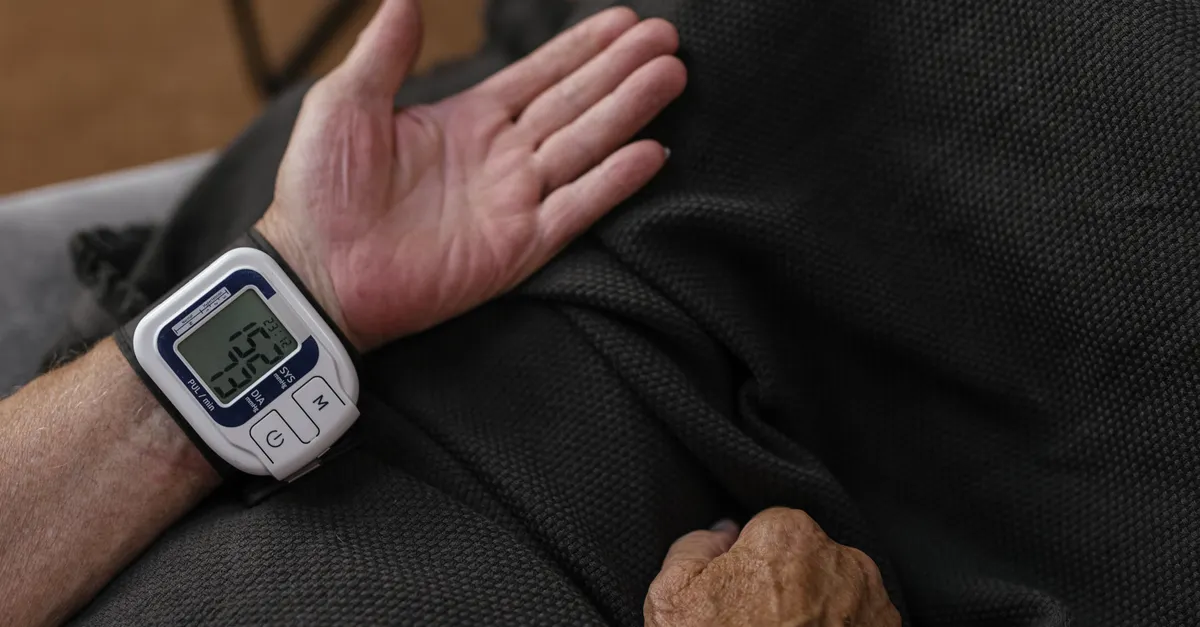
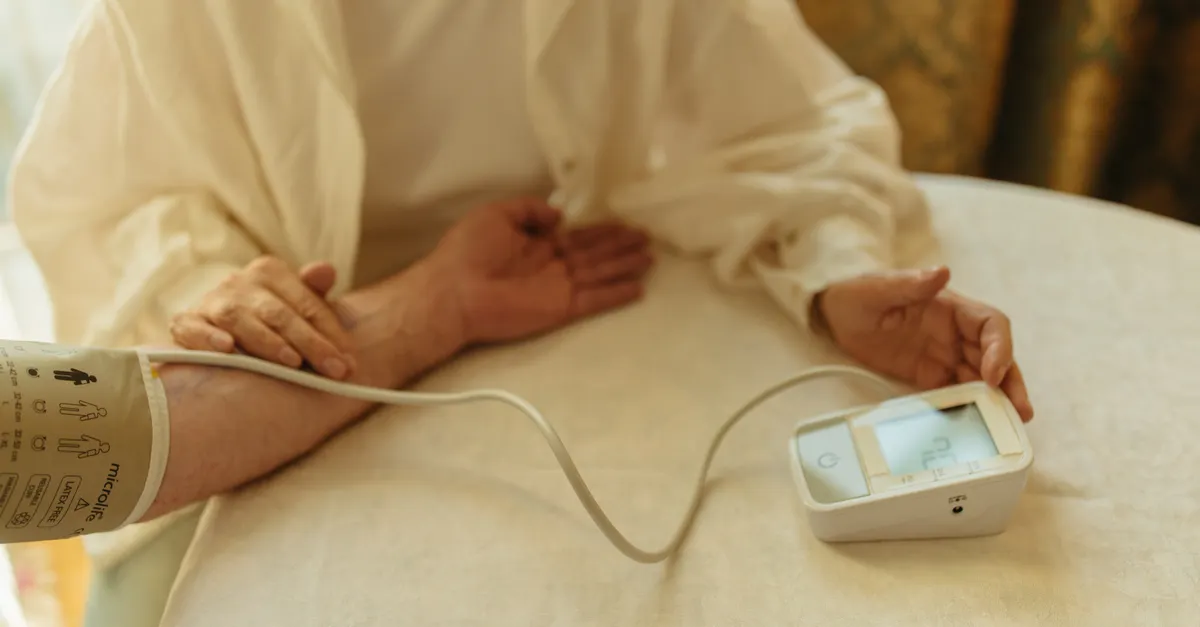
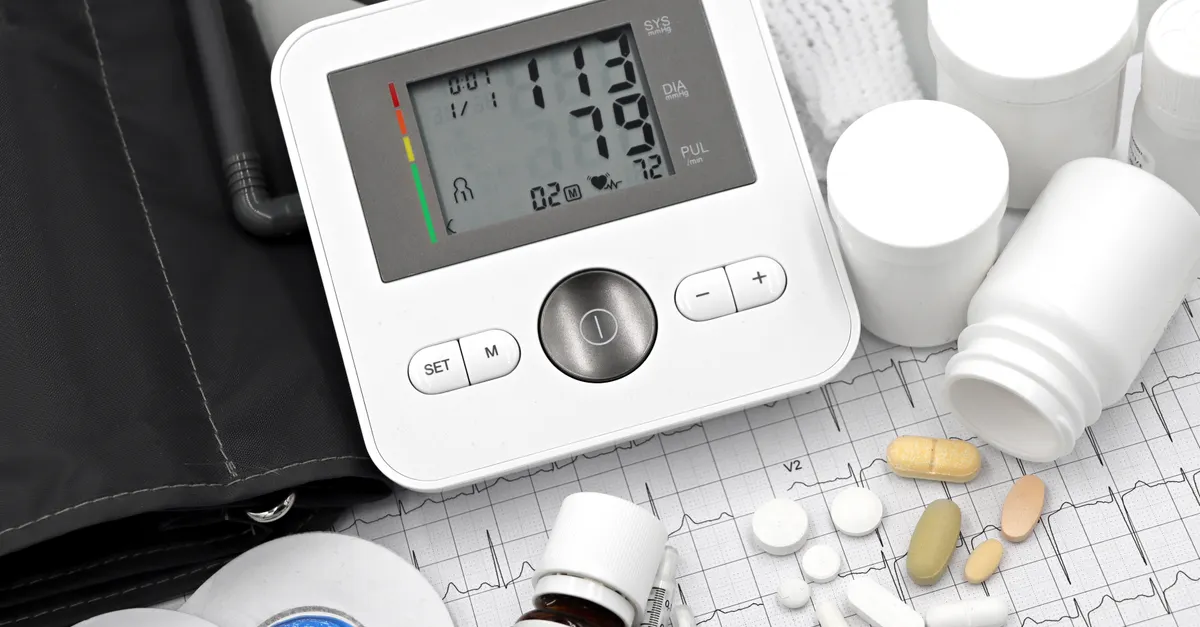
- Health Data Integration: Some advanced systems combine remote patient monitoring of vital signs (like heart rate or blood pressure) with activity data. This integration can help identify health changes that may increase fall risk, such as dizziness or weakness.
These technologies can often be used in combination for a more comprehensive approach. For example, a senior might wear a fall detector while their home is equipped with motion sensors and a video monitoring system for added safety.
How Remote Health Monitoring Reduces Falls: Effectiveness and Evidence
Research indicates that combining remote patient monitoring with standard fall precautions can meaningfully reduce both the incidence of falls and the severity of fall-related injuries among seniors. According to a study highlighted by the Agency for Healthcare Research and Quality in 2024, facilities that implemented remote monitoring saw fewer falls and lower rates of injury compared to those relying solely on traditional methods.
In addition to improving safety, these systems can help decrease the financial burden associated with falls. The same study found that remote monitoring led to a reduction in fall-related expenditures, as fewer emergency interventions and hospitalizations were required.
While the degree of effectiveness can vary depending on the specific technology and how it is integrated into care routines, the evidence supports the value of remote monitoring as part of a comprehensive fall prevention strategy.
Benefits and Challenges of Remote Monitoring for Seniors
Adopting remote health monitoring for fall prevention offers several important advantages, but it also comes with some challenges that families and care teams should consider.
Pros
- Provides continuous oversight, reducing the need for constant in-person supervision.
- Enables rapid response to falls or risky situations, potentially minimizing injury severity.
- Supports independent living by allowing seniors to remain at home with greater safety.
- Can be tailored to individual needs, combining different technologies for optimal coverage.
- May help reduce healthcare costs by preventing injuries and hospitalizations.
Cons
- Some seniors may find wearable devices uncomfortable or may forget to wear them.
- Video monitoring and sensor systems can raise privacy concerns, especially in private spaces.
- Technology setup and maintenance may require technical support or caregiver involvement.
- False alarms or missed detections can occur, depending on the system’s sensitivity and accuracy.
- Initial costs for equipment and installation can be a barrier for some families.
It’s important to weigh these factors and involve seniors in the decision-making process to ensure that the chosen solution aligns with their preferences and comfort levels.
Integrating Remote Monitoring into Senior Care Plans
Successfully incorporating remote health monitoring into a senior’s care plan requires thoughtful planning and collaboration among families, healthcare providers, and the seniors themselves. Here are some practical steps and considerations:
- Assessment of Needs: Begin by evaluating the senior’s mobility, health status, and living environment to determine which monitoring technologies would be most beneficial.
- Personalization: Choose devices and systems that fit the individual’s daily routine and comfort level. For example, some may prefer discreet wearable fall detectors, while others might benefit from unobtrusive motion sensors.
- Collaboration with Care Providers: Work with healthcare professionals to integrate monitoring data into regular care routines. This can help identify patterns or changes in risk and inform adjustments to the care plan.
- Education and Training: Ensure that both seniors and caregivers understand how to use the technology, respond to alerts, and maintain devices. Simple instructions and ongoing support can increase adoption and effectiveness.
- Privacy and Consent: Discuss privacy preferences and obtain consent before installing video or audio monitoring devices. Respecting autonomy is essential for trust and comfort.
- Review and Adjust: Regularly review the effectiveness of the monitoring system and make adjustments as needed. Technology should support, not replace, human care and connection.
For those interested in a broader look at how these systems fit into daily routines, resources on integrating remote health monitoring into daily life offer further insights.
Conclusion
Remote health monitoring is becoming an essential tool in the effort to prevent falls among seniors. By leveraging technologies such as wearable detectors, video monitoring, and smart sensors, families and care teams can enhance safety, support independence, and respond quickly to emergencies. While these systems offer clear benefits, it’s important to consider challenges like privacy, comfort, and cost, and to integrate them thoughtfully into individualized care plans. As the evidence shows, remote monitoring—when used alongside standard fall precautions—can make a meaningful difference in reducing both the risk and impact of falls for older adults.
Frequently Asked Questions
What are the most effective remote health monitoring technologies for fall prevention?
The most effective options often include a combination of wearable fall detectors, motion sensors, and video monitoring systems. The right choice depends on the individual’s needs and living environment. Combining multiple technologies can provide more comprehensive coverage and faster response in case of a fall.
How does remote health monitoring actually help reduce falls?
These systems provide continuous observation and can detect risky situations or actual falls in real time. By alerting caregivers or family members immediately, they enable rapid intervention, which can prevent further injury and support timely medical attention. Studies, such as those cited by the Agency for Healthcare Research and Quality, have shown that remote monitoring reduces both the number of falls and the severity of injuries.
Are there any limitations to using remote health monitoring for fall prevention?
Yes, there are some limitations. Not all seniors are comfortable with technology, and some may forget to use wearable devices. Privacy concerns can arise with video monitoring, and false alarms are possible. Additionally, the initial cost and need for technical support can be barriers for some families. It’s important to address these challenges when selecting and implementing a monitoring solution.