
As the population ages, ensuring that seniors consistently take their prescribed medications becomes increasingly important for maintaining health and independence. Missed doses or incorrect medication use can lead to complications, hospitalizations, and a decline in quality of life. Remote health monitoring and medication adherence solutions are emerging as effective tools to help older adults manage their treatments safely at home. By combining technology with healthcare support, these systems offer a practical way to address one of the most persistent challenges in senior care.
Understanding Remote Health Monitoring for Seniors
Remote health monitoring refers to the use of digital tools and connected devices to track a person’s health status from a distance. For seniors, this often involves wearable sensors, smart pill dispensers, and mobile applications that collect and transmit health data to caregivers or healthcare providers. The main goal is to enable timely interventions and support, especially for those managing chronic conditions or complex medication regimens.
Medication adherence—meaning taking medications exactly as prescribed—is a critical part of this approach. Seniors are particularly vulnerable to missed doses due to memory issues and physical limitations. By integrating monitoring technologies, healthcare teams can detect missed doses, send reminders, and provide real-time feedback, all of which help seniors stay on track with their treatments.
Key Technologies Supporting Medication Adherence Remotely
A wide range of digital health technologies are now available to support medication routines for older adults. These tools are designed to be user-friendly and adaptable to different living situations. Here are some of the most common solutions:
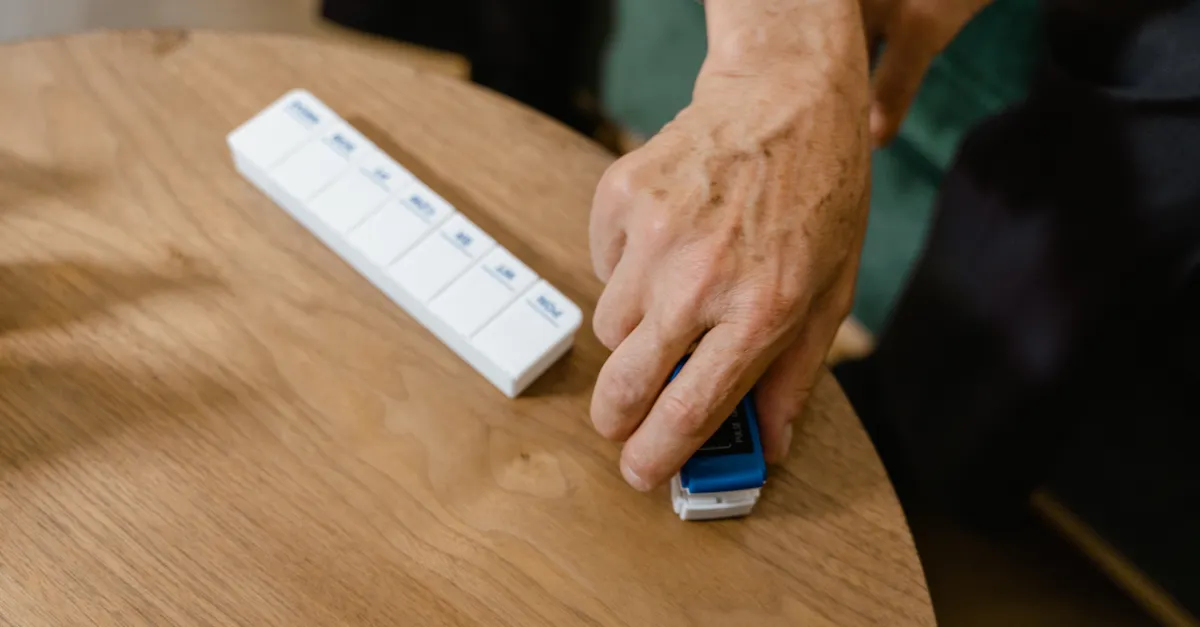
- Smart Pill Dispensers: These devices organize medications and dispense the correct dose at scheduled times. Many models alert users with lights or sounds and can notify caregivers if a dose is missed.
- Mobile Health Apps: Smartphone and tablet applications can send reminders, track medication intake, and provide educational resources. Some apps allow direct communication with healthcare providers or family members.
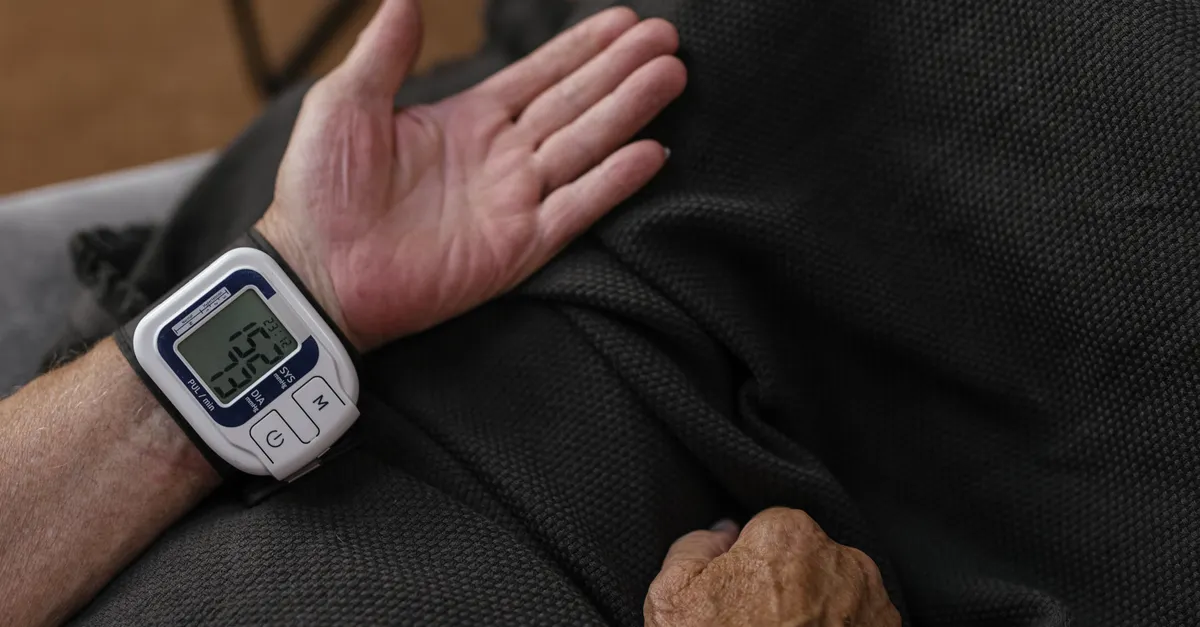
- Wearable Sensors: Devices like smartwatches or fitness trackers can monitor vital signs and activity levels, providing context for medication effectiveness and adherence.
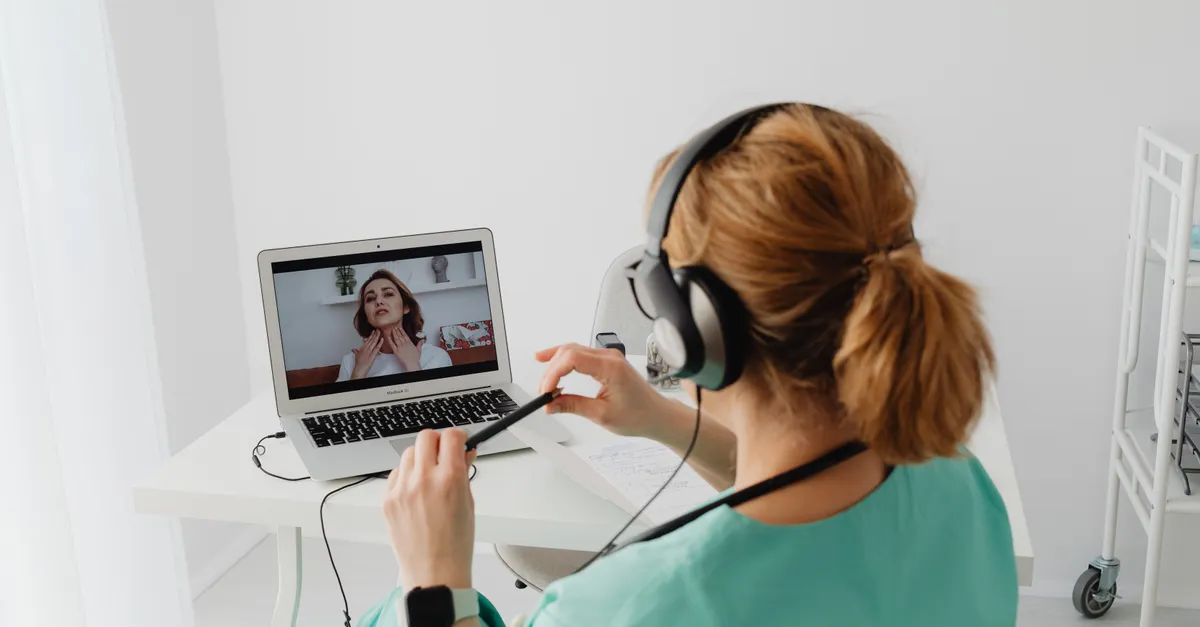
- Telemedicine Platforms: Video calls and secure messaging enable regular check-ins between seniors and healthcare professionals, making it easier to discuss medication concerns or adjust prescriptions.
- Electronic Health Records (EHR) Integration: Linking adherence data with EHR systems allows providers to see a complete picture of a patient’s health and intervene promptly if issues arise.
These technologies work together to create a supportive environment for seniors. For example, a smart pill dispenser might send an alert to a family member through a mobile app if a dose is missed, prompting a quick check-in. Integration with telemedicine means that any concerns can be addressed without the need for an in-person visit.
For those interested in exploring specific solutions, our overview of remote health monitoring systems for seniors provides additional insights into available options and their features.
How Remote Monitoring Improves Medication Routines for Older Adults
The use of remote health monitoring and medication adherence tools offers several advantages for seniors and their support networks. These benefits extend beyond simply reminding someone to take their pills—they can transform the entire approach to managing health at home.
- Enhanced Safety: Automated reminders and alerts reduce the risk of missed doses or accidental double-dosing, which is especially important for those on multiple medications.
- Better Health Outcomes: Consistent medication use helps control chronic conditions such as diabetes, hypertension, and heart disease, leading to fewer complications and hospital visits.
- Greater Independence: Seniors can manage their treatments with less direct supervision, supporting their desire to age in place.
- Peace of Mind for Families: Caregivers receive notifications and can monitor adherence remotely, reducing anxiety and the need for constant check-ins.
- Improved Communication: Real-time data sharing with healthcare providers allows for timely interventions and more personalized care plans.
These benefits are particularly valuable for seniors managing complex medication regimens or living alone. By leveraging technology, families and healthcare teams can work together to support better health and quality of life.
Challenges and Strategies for Integrating Remote Monitoring
While the advantages are clear, implementing remote health monitoring and medication adherence systems is not without challenges. Understanding these barriers and adopting effective strategies can make the transition smoother for both seniors and healthcare providers.
Common Challenges
- Technology Adoption: Some seniors may be unfamiliar or uncomfortable with digital devices, requiring extra training and support.
- Connectivity Issues: Reliable internet access is essential for many remote monitoring tools, which can be a barrier in rural or underserved areas.
- Privacy and Security: Protecting sensitive health data is a top concern. Systems must comply with regulations and use strong encryption to safeguard information.
- Integration with Existing Systems: Healthcare providers often face challenges linking new technologies with current electronic health records or workflows.
- Cost Considerations: The initial investment in devices and software can be significant, and ongoing maintenance or subscription fees may apply.
Integration Strategies
- Start Small: Pilot programs with a limited group of seniors can help identify issues and refine processes before wider rollout.
- Choose User-Friendly Solutions: Select devices and apps designed with seniors in mind, featuring large buttons, clear instructions, and simple interfaces.
- Provide Training and Support: Offer hands-on demonstrations and ongoing assistance for both seniors and caregivers to build confidence and address concerns.
- Integrate with Existing Workflows: Work with IT teams to ensure new systems communicate effectively with electronic health records and other clinical tools.
- Address Privacy Upfront: Clearly explain how data will be used and protected, and choose vendors with strong security credentials.
- Monitor and Adjust: Collect feedback from users and providers to continuously improve the system and address any emerging challenges.
Healthcare organizations can also benefit from resources on integrating remote health monitoring into daily life to ensure a smooth transition and maximize the impact of these technologies.
Looking Ahead: Trends in Remote Medication Adherence Support
The field of remote health monitoring is evolving rapidly, with new innovations on the horizon that promise to make medication management even more effective for seniors. Some emerging trends include:
- Artificial Intelligence (AI): AI-powered systems can analyze adherence patterns and predict when a senior might need extra support, enabling proactive interventions.
- Voice-Activated Devices: Smart speakers and voice assistants are being integrated into medication reminders, making it easier for those with limited mobility or vision to stay on schedule.
- Advanced Data Analytics: More sophisticated analysis of health and adherence data allows for highly personalized care plans and early detection of potential problems.
- Expanded Telemedicine Services: As virtual care becomes more common, the integration of medication adherence monitoring into routine telehealth visits is likely to grow.
- Interoperability Improvements: Efforts to standardize data formats and communication protocols will make it easier for different devices and systems to work together seamlessly.
As these trends develop, seniors and their caregivers can expect even greater support in managing medications safely and effectively at home.
Frequently Asked Questions
What is remote health monitoring and how does it help with medication adherence?
Remote health monitoring uses digital devices and software to track a person’s health and medication use from a distance. For seniors, this means they can receive reminders, alerts, and support to help them take their medications correctly, reducing the risk of missed doses or errors.
Are remote medication adherence technologies difficult for seniors to use?
Most modern devices and apps are designed with seniors in mind, featuring simple interfaces, large displays, and clear instructions. Training and ongoing support from caregivers or healthcare providers can further ease the learning curve.
What are the privacy concerns with remote health monitoring?
Privacy and security are important considerations. Reputable systems use encryption and comply with healthcare regulations to protect sensitive data. Seniors and caregivers should ask about data protection policies before choosing a solution.