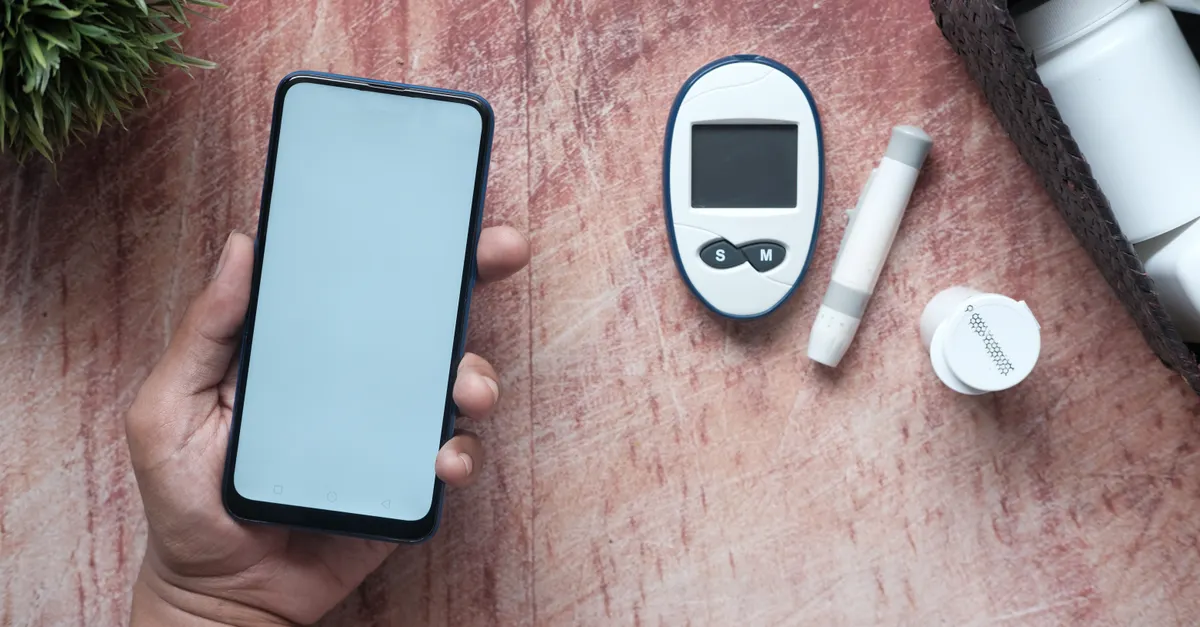
Remote health monitoring devices have become increasingly important for seniors, offering new ways to track vital signs and manage chronic conditions from home. As the population ages, more families and caregivers are exploring these technologies to support independent living and early detection of health issues. However, with so many options available, understanding how to choose remote health monitoring devices that truly fit the needs of older adults can be challenging. This guide breaks down the types of devices, their benefits, and the key factors to consider when selecting the right solution for seniors, while emphasizing the importance of professional medical advice when making health decisions.
Types of Remote Health Monitoring Devices for Seniors
There is a wide range of remote health monitoring devices designed to track different aspects of a person’s health. For seniors, the most relevant options typically include:
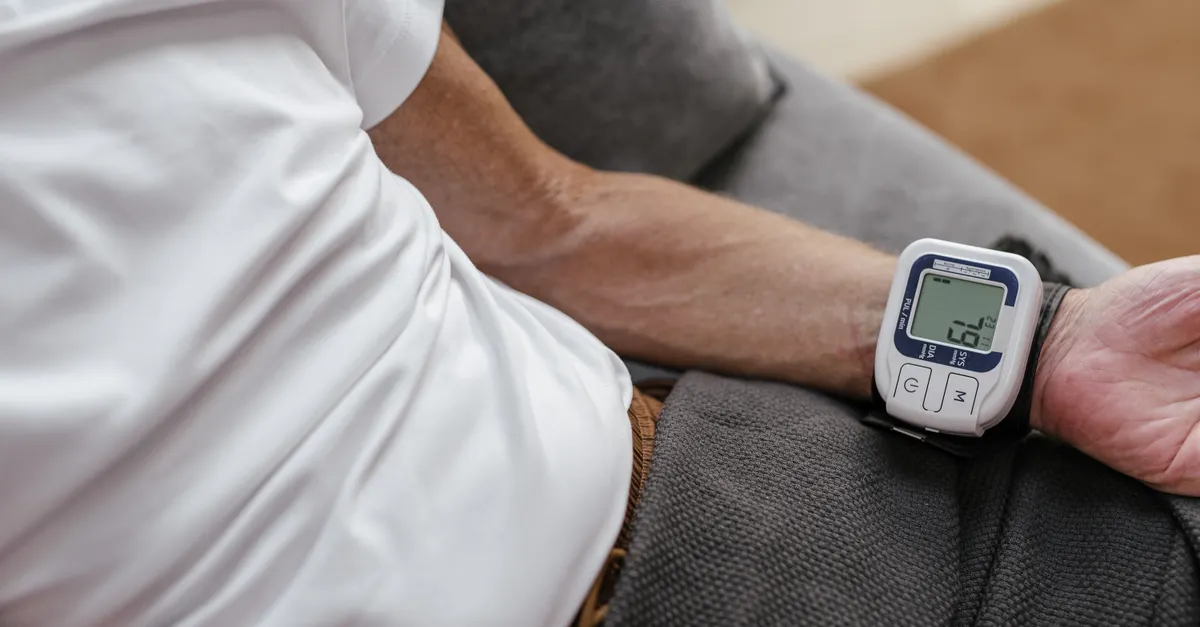
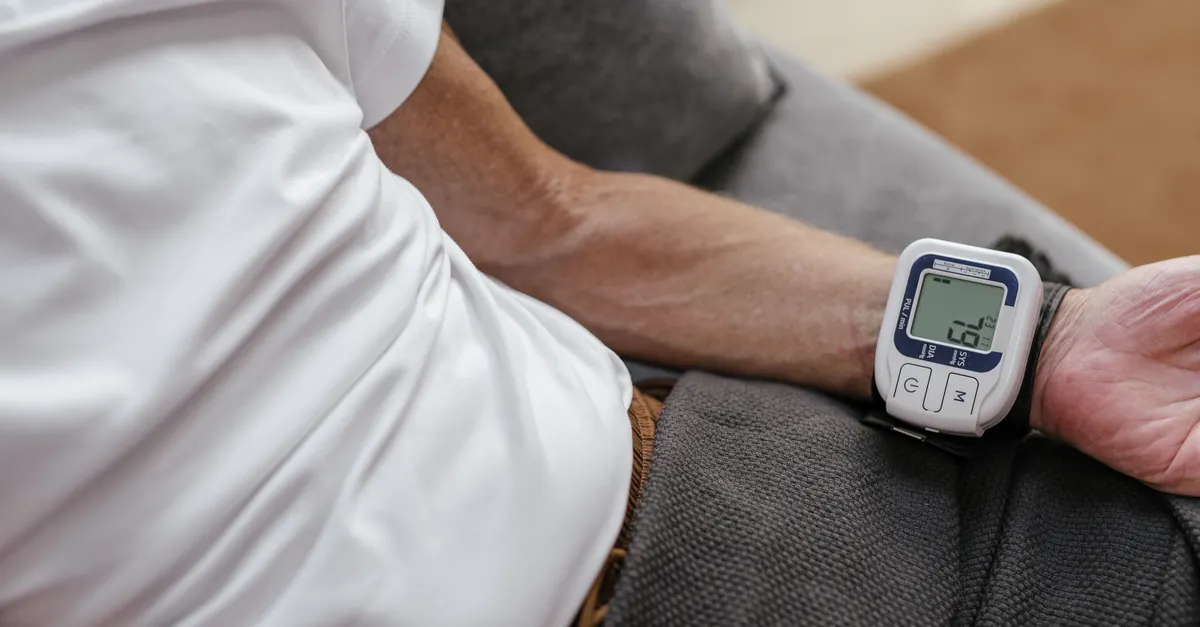
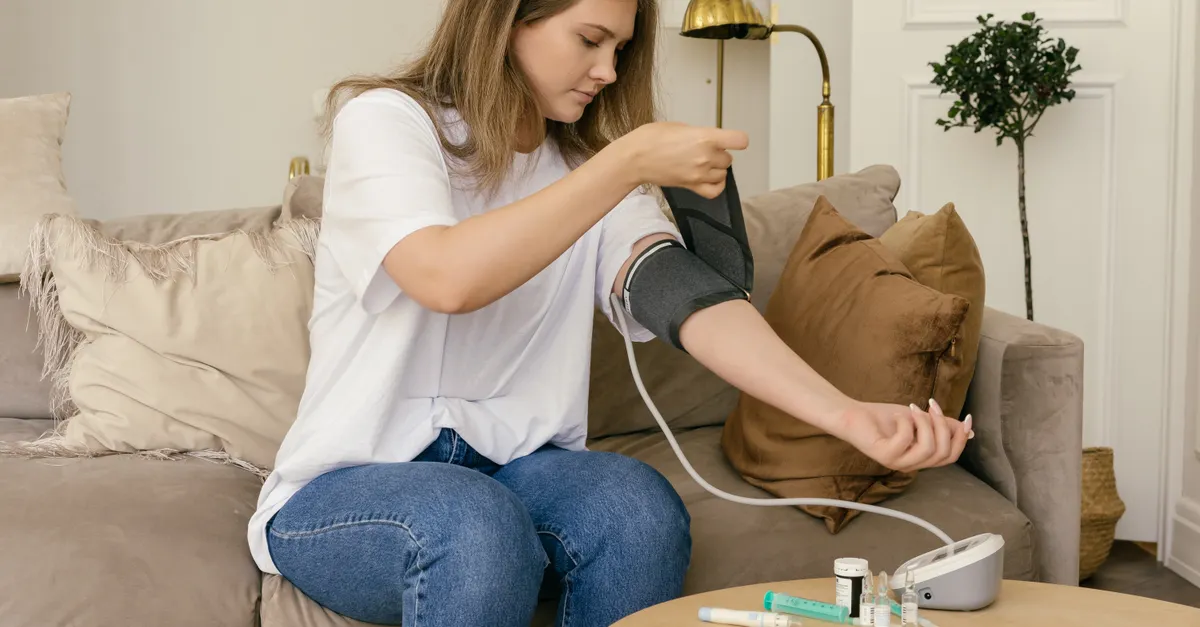
- Blood Pressure Monitors: These devices measure blood pressure at home, helping track hypertension and alerting users or caregivers to potential issues.
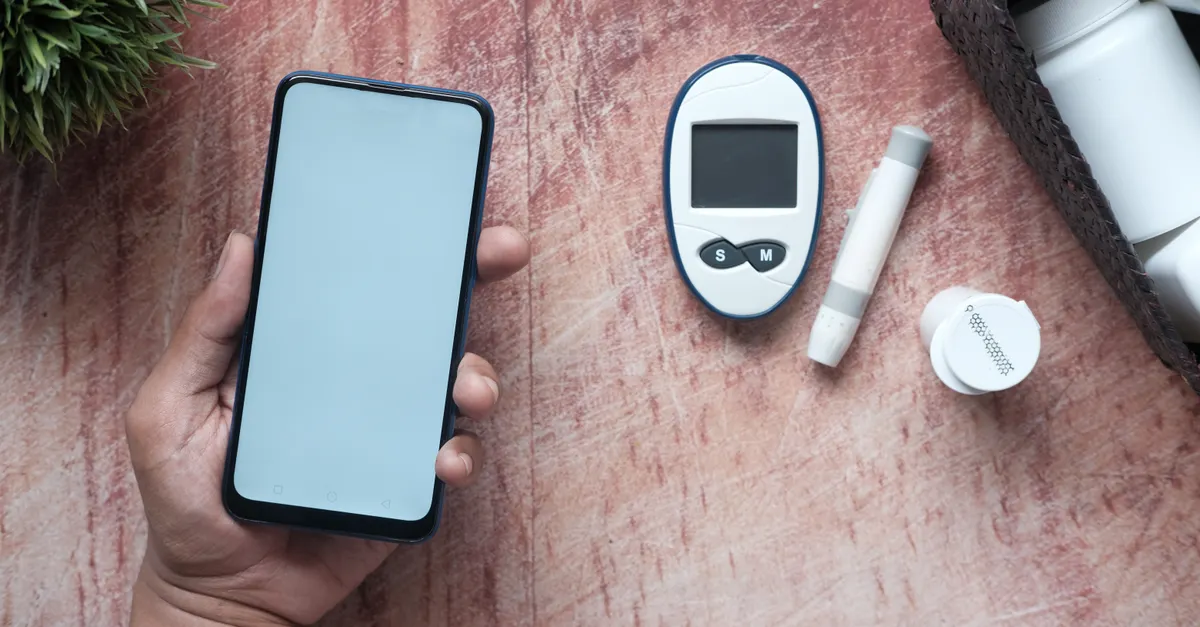
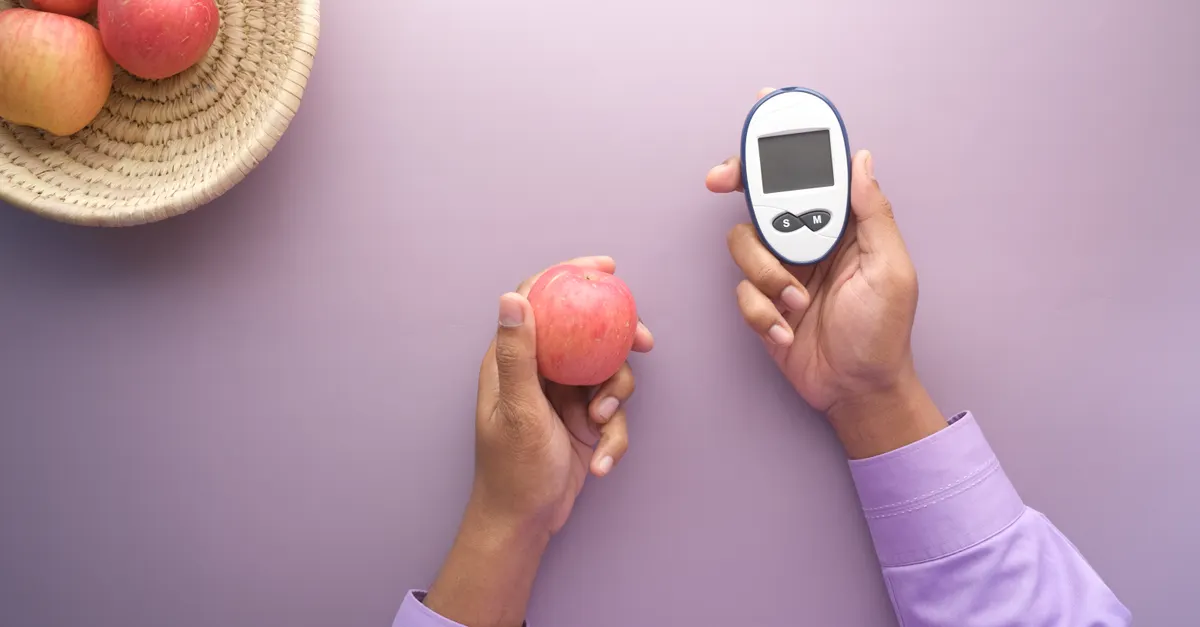
- Glucometers: Used to monitor blood glucose levels, especially important for seniors managing diabetes.
- Pulse Oximeters: These measure blood oxygen saturation and pulse rate, which can be vital for seniors with respiratory or cardiac conditions.
- ECG Monitors: Portable electrocardiogram (ECG) devices can detect irregular heart rhythms and help in early identification of cardiac issues.
- Smart Scales: These not only track weight but may also provide data on body composition, which is useful for monitoring overall health and detecting sudden changes.
- Smart Inhalers: For seniors with asthma or COPD, these devices track medication usage and can remind users when it’s time for a dose.
- Apnea Monitors: Used to detect sleep apnea events, which are common in older adults.
Each of these devices serves a specific purpose, and many are now designed with wireless connectivity to share data with healthcare providers or family members. For a more detailed look at device features and comparisons, you might find the remote health monitoring systems comparison helpful as you research options.
Benefits of Remote Health Monitoring for Older Adults
Implementing remote patient monitoring can offer several advantages for seniors and their caregivers. According to a systematic review published in 2024, these devices enable healthcare practitioners to observe patients’ physiological parameters and intervene if abnormalities appear. The main benefits include:
- Early Detection of Health Issues: Continuous monitoring allows for quicker identification of changes in health status, potentially preventing complications.
- Increased Independence: Seniors can remain at home longer and manage their health with less frequent in-person visits.
- Improved Communication: Data from devices can be shared directly with healthcare teams, supporting more informed medical decisions.
- Peace of Mind: Both seniors and their families gain reassurance from knowing that health metrics are being tracked regularly.
- Support for Chronic Conditions: Devices such as blood pressure monitors and glucometers help seniors manage ongoing health issues more effectively.
These benefits are especially meaningful for those with limited mobility or who live far from medical facilities, making remote health monitoring a valuable component of senior care.
Challenges and Limitations of Remote Monitoring for Seniors
While the advantages are significant, there are also challenges that families and caregivers should consider when evaluating remote health monitoring solutions for older adults:
- Usability: Seniors may find some devices difficult to operate due to small screens, complex interfaces, or the need for frequent calibration.
- Technology Adoption: Not all seniors are comfortable with digital technology, which can limit the effectiveness of advanced devices.
- Connectivity Issues: Many devices require stable internet or Bluetooth connections, which may not be available in all homes.
- Data Privacy: Sharing health data electronically raises concerns about privacy and security, especially for vulnerable populations.
- Cost: Some devices and associated services can be expensive, and insurance coverage varies.
It is important to weigh these limitations against the potential benefits and to involve seniors in the decision-making process to ensure the chosen solution is both effective and comfortable for them to use.
Key Criteria for Selecting the Best Devices for Seniors
When considering how to choose remote health monitoring devices for older adults, several factors should guide your decision:
- Ease of Use: Look for devices with large buttons, clear displays, and simple instructions. Voice prompts and automatic measurements can further enhance usability.
- Accuracy and Reliability: Choose devices that are clinically validated and recommended by healthcare professionals.
- Integration with Healthcare Providers: Devices that automatically share data with doctors or care teams can streamline care and reduce manual record-keeping.
- Battery Life and Maintenance: Consider how often the device needs to be charged or maintained, as frequent upkeep can be a barrier for some seniors.
- Comfort and Wearability: For wearable devices, ensure they are comfortable for long-term use and do not interfere with daily activities.
- Support and Training: Check if the manufacturer or provider offers setup assistance, troubleshooting, and ongoing support.
- Compatibility: Make sure the device works with existing smartphones, tablets, or home Wi-Fi networks, if required.
- Cost and Insurance: Review the total cost, including any subscription fees, and verify if the device is covered by insurance or Medicare.
Involving a healthcare provider in the selection process is highly recommended. They can help identify which health metrics are most important to monitor and suggest devices that are appropriate for the senior’s specific medical conditions.
Integrating Remote Monitoring Devices with Telehealth Services
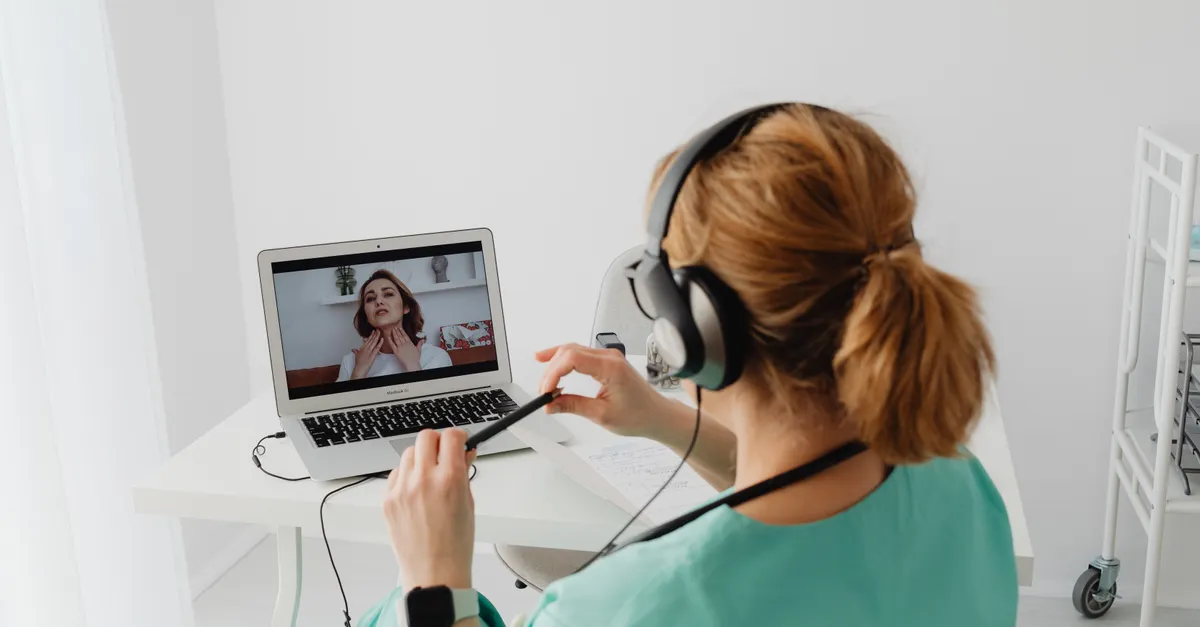
Many remote patient monitoring devices are designed to work seamlessly with telehealth platforms. This integration allows for real-time sharing of health data, making virtual consultations more informative and actionable. For seniors, this means:
- Streamlined Appointments: Doctors can review recent health data before or during a telehealth visit, leading to more personalized care.
- Continuous Monitoring: Ongoing data collection helps healthcare teams spot trends and intervene early if necessary.
- Reduced Travel: Seniors can avoid unnecessary trips to clinics or hospitals, which is especially beneficial for those with mobility challenges.
When selecting a device, check whether it is compatible with the telehealth services used by your healthcare provider. Some devices offer direct integration, while others may require manual data entry or third-party apps. For a deeper understanding of how these systems work together, exploring resources on how remote health monitoring works can be helpful.
Conclusion
Choosing the right remote health monitoring solution for seniors involves more than just picking a device off the shelf. It requires careful consideration of the individual’s health needs, comfort with technology, and the ability to integrate with existing healthcare routines. By focusing on usability, reliability, and support, families and caregivers can help seniors benefit from these tools while maintaining independence and safety at home. Always consult with healthcare professionals before making decisions about health monitoring, and remember that the best device is the one that fits seamlessly into the senior’s daily life and care plan.
Frequently Asked Questions
What are the most important features to look for in a remote health monitoring device for seniors?
The most important features include ease of use, clear displays, reliable data accuracy, and the ability to share information with healthcare providers. Devices should also be comfortable to use and require minimal maintenance.
Are there devices specifically designed for seniors?
Yes, some devices are tailored for older adults, offering larger buttons, simple interfaces, and features like voice prompts. It’s important to compare options and, if possible, test devices before making a purchase.
Can remote health monitoring devices replace regular doctor visits?
No, these devices are meant to supplement, not replace, regular medical care. They provide valuable data for ongoing management but should always be used in consultation with healthcare professionals to ensure safe and effective care.