As more individuals choose to remain in their own homes as they grow older, ensuring a safe and accessible living environment becomes increasingly important. A comprehensive aging in place safety checklist is an essential tool for identifying and addressing potential hazards, supporting independence, and providing peace of mind for both seniors and their families. This article offers practical guidance on creating a secure home, covering key areas such as fall prevention, accessibility, emergency preparedness, and more.
For those interested in related topics around safety and efficiency, you may also want to explore how to handle coil stock for stamping for insights into safe practices in industrial settings.
Why a Home Safety Checklist Matters for Independent Living
Staying at home as we age offers comfort and familiarity, but it also requires proactive steps to reduce risks. A well-structured home safety checklist for aging in place helps identify areas that may need improvement, from slippery floors to poorly lit hallways. By addressing these issues, seniors can maintain their autonomy and avoid preventable accidents.
According to experts, most household injuries among older adults are preventable with the right modifications and regular assessments. Implementing a thorough checklist ensures nothing is overlooked, making the home a safer place for everyone.
Key Elements of an Effective Aging in Place Safety Checklist
A robust aging in place safety checklist should cover all areas of the home, focusing on common hazards and accessibility challenges. Below are the primary categories to consider:
- Entrances and Exits: Ensure pathways are clear, steps are even, and handrails are secure. Consider installing ramps for wheelchair or walker access.
- Lighting: Adequate lighting throughout the home, especially in hallways, staircases, and bathrooms, reduces the risk of trips and falls.
- Floors and Rugs: Remove loose rugs or secure them with non-slip backing. Keep floors clutter-free and repair any uneven surfaces.
- Bathrooms: Install grab bars near toilets and in showers, use non-slip mats, and consider a raised toilet seat for easier access.
- Kitchen: Store frequently used items within easy reach. Check that appliances are in good working order and that fire extinguishers are accessible.
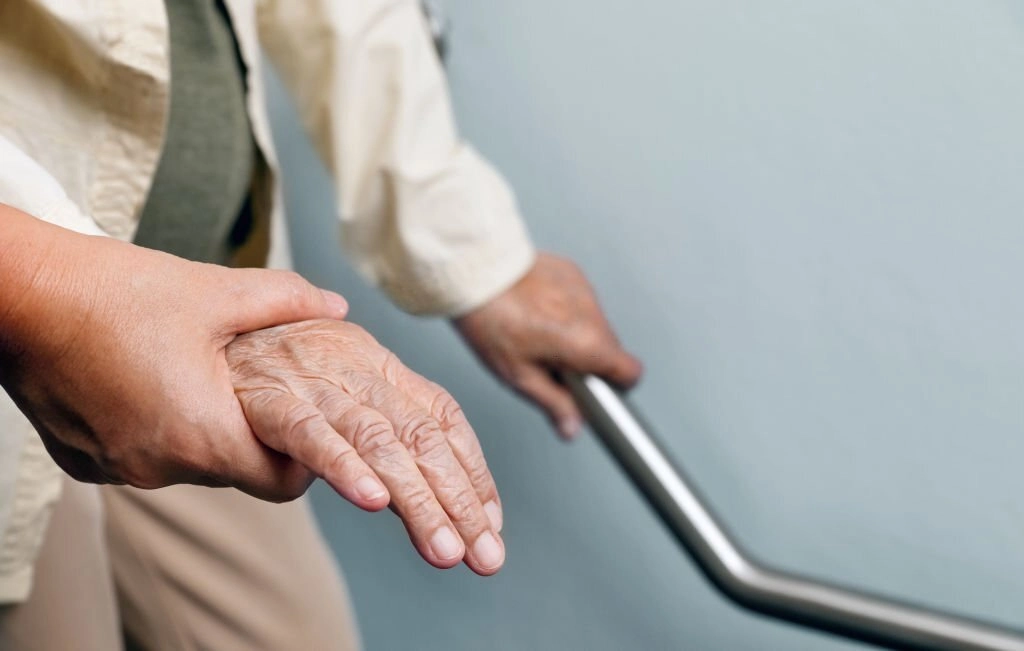
- Stairways: Make sure stairs are well-lit and have sturdy handrails on both sides. Mark the edges of steps with contrasting tape for better visibility.
- Emergency Preparedness: Keep emergency numbers visible, ensure smoke and carbon monoxide detectors are functional, and have an evacuation plan in place.

Room-by-Room Home Safety Tips
Breaking down the aging in place safety checklist by room makes it easier to spot and address specific risks. Here’s a practical guide to evaluating each area:
Living Room and Common Areas
- Arrange furniture to allow clear walking paths.
- Secure cords and wires along walls to prevent tripping.
- Use chairs with arms for easier sitting and standing.
Bedroom
- Place a lamp and phone within easy reach of the bed.
- Ensure the bed is at a comfortable height for getting in and out safely.
- Install nightlights to illuminate the path to the bathroom.
Bathroom
- Install grab bars in the shower and near the toilet.
- Use a shower chair and handheld showerhead if needed.
- Keep toiletries and towels within easy reach to avoid stretching or bending.
Kitchen
- Store heavy items on lower shelves to prevent reaching overhead.
- Check expiration dates on food regularly to avoid spoilage.
- Keep a fire extinguisher in an accessible location.
Entryways and Stairs
- Install sturdy railings and non-slip treads on stairs.
- Keep entryways free from clutter, shoes, and other obstacles.
- Use motion-sensor lights for added visibility at night.
Fall Prevention and Mobility Support
Falls are one of the leading causes of injury among older adults. Incorporating fall prevention strategies into your home safety checklist for seniors is crucial. Consider the following measures:
- Wear non-slip footwear indoors.
- Arrange for regular vision and hearing checks.
- Consider mobility aids such as canes, walkers, or stairlifts as needed.
- Encourage regular exercise to maintain strength and balance.
For more in-depth strategies, resources like the guide to senior home safety offer additional tips and checklists for reducing fall risks and improving mobility at home.

Emergency Preparedness for Seniors Living at Home
Being prepared for emergencies is a vital part of any aging in place safety checklist. Make sure the following steps are included:
- Post emergency contact numbers in visible locations.
- Test smoke and carbon monoxide detectors monthly and replace batteries as needed.
- Keep a flashlight and extra batteries in accessible spots.
- Develop and practice an evacuation plan with family or caregivers.
- Consider a medical alert system for immediate assistance if needed.
Maintaining and Updating Your Home Safety Plan
Safety needs can change over time, so it’s important to review and update your checklist regularly. Schedule periodic home assessments, especially after any health changes or following a move. Involve family members or professional caregivers in the process to ensure all concerns are addressed.
Staying proactive with home modifications and routine checks helps create a secure environment that supports independence and well-being for years to come.
Frequently Asked Questions
What are the most important areas to focus on for home safety as we age?
The most critical areas include bathrooms, stairways, entryways, and kitchens. These spaces often present the highest risk for falls or accidents. Ensuring proper lighting, installing grab bars, and keeping pathways clear are essential steps.
How often should a home safety assessment be conducted?
It’s recommended to review your home safety checklist at least once a year, or whenever there are significant health changes. Regular assessments help catch new hazards and keep the environment as safe as possible.
Are there professional services that can help with home safety for seniors?
Yes, many organizations offer home safety evaluations and can recommend modifications. Occupational therapists, aging-in-place specialists, and some local agencies provide assessments tailored to seniors’ needs.