
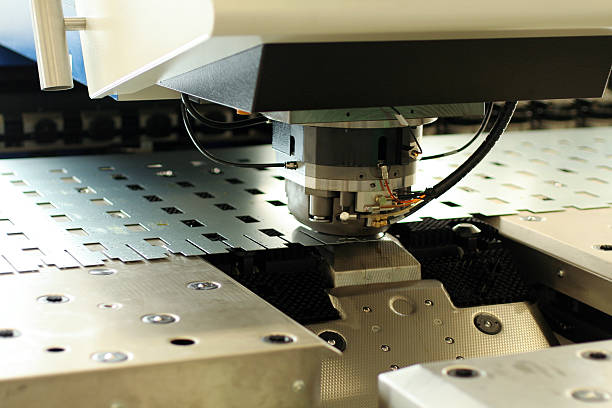
The what is steel stamping process is a fundamental manufacturing technique used to shape, cut, and form steel sheets into precise components for a wide range of industries. From automotive parts to electronics and appliances, this method enables mass production of durable and consistent metal parts. Understanding how steel stamping works, its main steps, and its benefits can help businesses and individuals make informed decisions about manufacturing needs.
In this article, you’ll find a comprehensive overview of steel stamping, including the main types of stamping, the essential steps involved, and practical considerations for safety and quality. If you’re interested in related topics, you might also want to explore our independent living safety best practices for additional guidance on maintaining a safe and efficient environment.
Understanding the Steel Stamping Method
Steel stamping, sometimes called metal pressing, is a process where flat steel sheets are placed into a stamping press and shaped using dies and pressure. This technique allows manufacturers to produce components with high accuracy and repeatability. The process is widely used in sectors like automotive, aerospace, electronics, and construction because it offers a cost-effective way to create complex shapes and features.
The core of the steel stamping process involves using a die—a specialized tool that defines the shape of the finished part. The steel sheet is pressed between the die and a punch, which applies force to cut or form the metal. Depending on the desired outcome, the process may involve several steps, including blanking, bending, punching, embossing, or deep drawing.
Key Steps in the Steel Stamping Workflow
The what is steel stamping process can be broken down into several essential stages. Each step is crucial for achieving the required precision and quality:
- Design and Tooling: Engineers create detailed designs of the part and develop custom dies for the stamping press.
- Material Selection: The appropriate type and thickness of steel are chosen based on the part’s requirements.
- Blanking: Large steel sheets are cut into smaller blanks, which are the starting pieces for stamping.
- Forming: The blanks are placed in the press, where dies and punches shape them through bending, drawing, or stretching.
- Piercing and Punching: Holes or slots are created as needed using sharp punches.
- Trimming: Excess material is removed to achieve the final shape.
- Finishing: Additional treatments such as deburring, coating, or heat treatment may be applied to enhance durability and appearance.
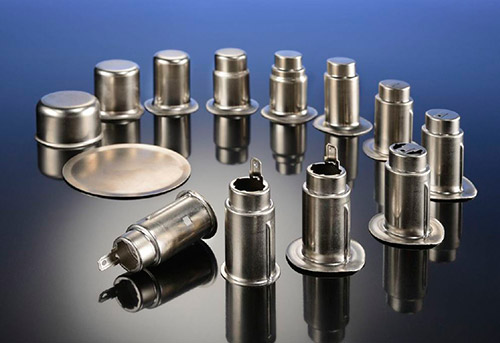
Main Types of Steel Stamping Techniques
Several methods are used in the steel stamping process, each suited to different applications:
- Progressive Die Stamping: This approach uses a series of stations, each performing a different operation as the steel strip moves through the press. It’s ideal for high-volume production of complex parts.
- Transfer Die Stamping: In this method, individual blanks are transferred from one station to another, allowing for more flexibility in part design and size.
- Deep Drawing: Used to create parts with significant depth, such as cups or enclosures, by stretching the steel into a die cavity.
- Compound Die Stamping: Multiple operations, such as cutting and forming, are performed simultaneously in a single press stroke.
The choice of technique depends on factors like part complexity, production volume, and material properties.
Advantages of the Steel Stamping Approach
There are several reasons why manufacturers rely on steel stamping for producing metal components:
- Efficiency: High-speed presses and automated feeding systems enable rapid production of large quantities.
- Consistency: The use of precision dies ensures that every part meets exact specifications, reducing waste and rework.
- Cost-Effectiveness: Once the tooling is set up, the per-part cost drops significantly, making it ideal for mass production.
- Versatility: The process can handle a wide range of part sizes, shapes, and thicknesses.
- Material Utilization: Modern techniques minimize scrap and optimize the use of raw materials.
Quality and Safety Considerations in Steel Stamping
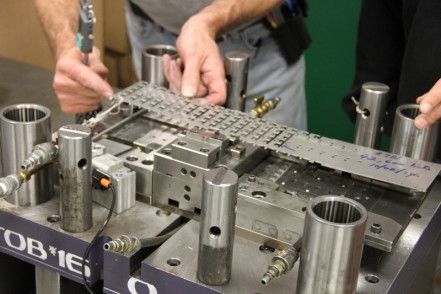
Maintaining high standards in the steel stamping process is essential for both product quality and workplace safety. Quality control measures include regular inspection of parts, die maintenance, and monitoring of press settings. Automation and sensors are often used to detect defects early and prevent faulty products from reaching customers.
Safety is another critical aspect. Operators must be trained to handle machinery properly and follow established protocols. For a thorough overview of safety measures, refer to this guide on safety precautions when operating metal stamping machinery. Proper use of guards, emergency stops, and personal protective equipment (PPE) can help prevent accidents and injuries.
Applications and Industries Benefiting from Steel Stamping
The versatility of steel stamping makes it a preferred choice for a wide range of products and industries. Common applications include:
- Automotive body panels, brackets, and engine components
- Electrical enclosures and connectors
- Appliance housings and internal parts
- Medical device components
- Construction hardware and fasteners
- Consumer electronics frames and shields
Each of these sectors relies on the precision, repeatability, and scalability offered by modern stamping technology.
Frequently Asked Questions
How does the steel stamping process differ from other metal forming methods?
Steel stamping uses dies and presses to shape flat sheets into specific forms, while other methods like forging or casting involve heating and molding metal. Stamping is typically faster and more cost-effective for high-volume, thin-gauge parts.
What materials can be used in stamping besides steel?
While steel is the most common, other metals such as aluminum, copper, brass, and stainless steel can also be stamped. The choice of material depends on the application and required properties.
What are the main safety risks in steel stamping?
The primary risks include pinch points, moving machinery, and sharp edges on stamped parts. Proper training, use of safety guards, and adherence to safety protocols are essential for minimizing these hazards.
How can I ensure quality in stamped steel parts?
Consistent quality is achieved through precise die design, regular maintenance, process monitoring, and thorough inspection of finished parts. Automation and quality control systems can further enhance reliability.
For more information on safety and best practices in manufacturing environments, you may also find our resources on independent living safety resources helpful.