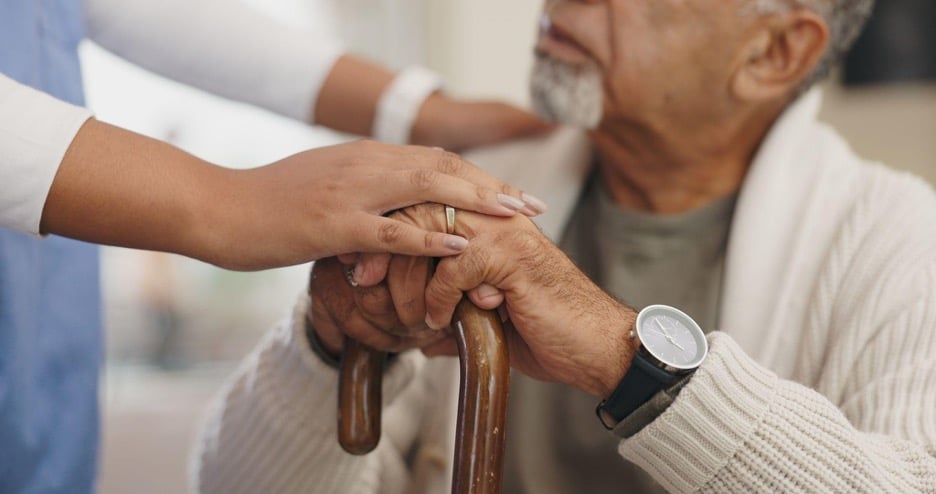
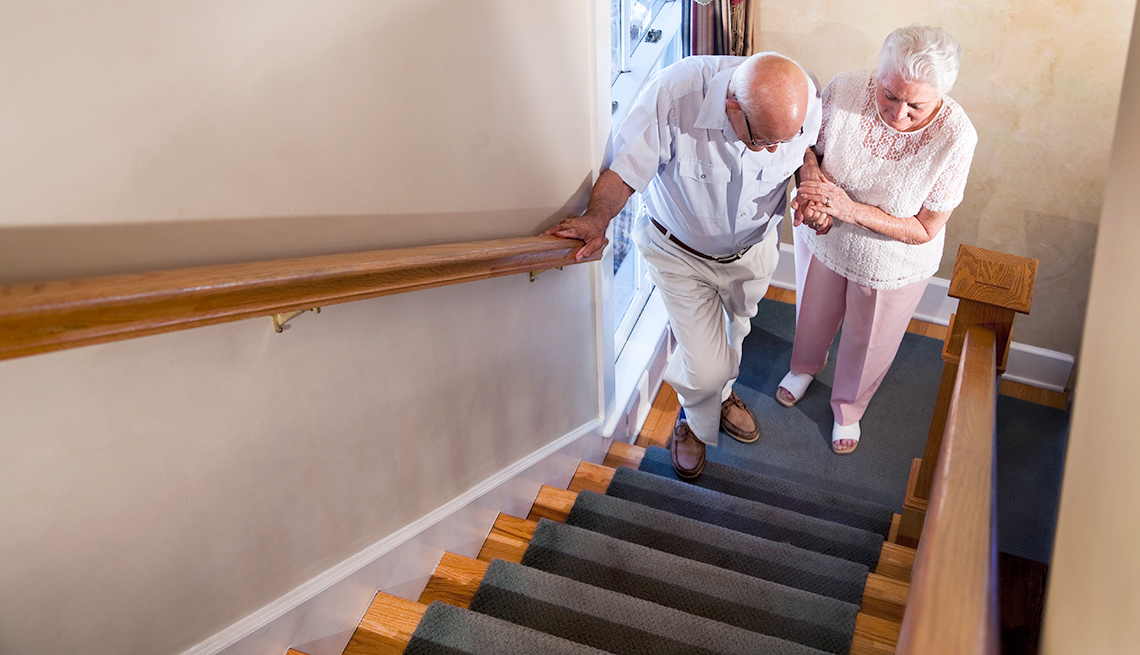
The safety of our elderly loved ones is paramount, and ensuring a safe home environment is a key responsibility for family caregivers. One essential aspect of home safety for seniors is the use of walking aids. These devices are designed to help maintain balance, stability, and independence while reducing the risk of falls. In this guide, we will explore the various types of walking aids available, how to choose the right one, and tips for effectively incorporating them into daily life.
Walking aids for the elderly are not just tools; they are a lifeline that can significantly enhance the quality of life. As family caregivers, understanding the options available and how to implement them can make a world of difference. Let’s delve deeper into the world of walking aids and how they contribute to home safety.

Understanding the Need for Walking Aids
Why Are Walking Aids Important?
As individuals age, physical changes such as decreased muscle strength, balance issues, and joint problems become more prevalent. These changes can increase the risk of falls, which are a leading cause of injury among seniors. Walking aids provide the necessary support to navigate these challenges, promoting confidence and independence.
Types of Walking Aids
There are several types of walking aids available, each catering to different needs and preferences. Some of the most common include:
- Canes: Simple yet effective, canes offer support to those with minor balance issues.
- Walkers: Providing more stability than canes, walkers are ideal for individuals requiring additional support.
- Rollators: Equipped with wheels, rollators are suitable for those who need a balance between support and mobility.
- Crutches: Typically used for short-term injuries, crutches can also assist seniors with specific mobility challenges.
Choosing the Right Walking Aid
Assessing Individual Needs
Selecting the appropriate walking aid involves assessing the individual’s physical condition, lifestyle, and personal preferences. Consulting with healthcare professionals can provide valuable insights into the best choice.
Trying Before Buying
It’s important for seniors to try different walking aids before making a decision. Testing various options helps ensure comfort and suitability for daily use.
Incorporating Walking Aids into Daily Life
Home Modifications for Walking Aid Users
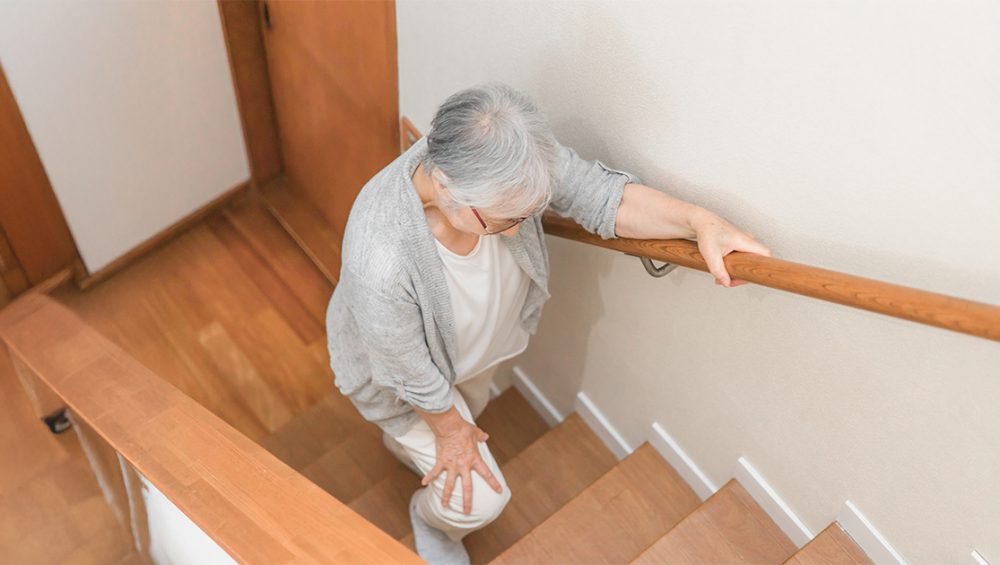
To maximize the benefits of walking aids, consider making home modifications that enhance safety and accessibility. These changes might include installing grab bars, removing tripping hazards, and ensuring adequate lighting. For more tips on home renovation, visit our related article.
Training and Practice
Proper training on how to use walking aids is crucial. Family caregivers should ensure that seniors receive adequate instruction and practice, which can significantly improve their confidence and mobility.
Maintaining Walking Aids
Regular Inspections
Just like any other equipment, walking aids require regular inspections to ensure they remain in good condition. Check for signs of wear and tear and address any issues promptly.
Cleaning and Care
Keeping walking aids clean is important for hygiene and longevity. Use appropriate cleaning methods and products to maintain the device’s condition.
Additional Resources
Support Networks
Family caregivers and seniors can benefit from joining support networks and groups that provide information and resources on elderly home safety. Engaging with others who face similar challenges can be empowering.
Professional Guidance
Consulting with healthcare professionals, such as physical therapists or occupational therapists, can provide personalized advice on walking aids and home safety. For more information, visit this external resource on making homes safe for seniors.
Overcoming Challenges
Adapting to Change
Adjusting to life with a walking aid can be challenging for some seniors. Encouragement and patience from family caregivers can ease this transition.
Addressing Stigma
There may be a stigma associated with the use of walking aids. It’s important to focus on the positive impact these devices have on safety and independence.
Conclusion
Incorporating walking aids into the daily lives of our elderly loved ones is a proactive step towards ensuring their home safety and enhancing their quality of life. By understanding the different types of walking aids, choosing the right one, and making necessary home modifications, family caregivers can make a significant difference. For more insights on elderly safety, explore our article on Alexa for elderly safety.
FAQs
What are the benefits of using walking aids?
Walking aids offer numerous benefits, including improved balance, increased mobility, and enhanced confidence for seniors.
How do I choose the right walking aid for my loved one?
Consulting with healthcare professionals and considering the individual’s physical condition and lifestyle are key steps in choosing the right walking aid.
What home modifications can enhance safety for walking aid users?
Installing grab bars, removing clutter, and improving lighting are some home modifications that can enhance safety for walking aid users. For more ideas, check out our article on meal safety.
This article contains affiliate links. We may earn a commission at no extra cost to you.