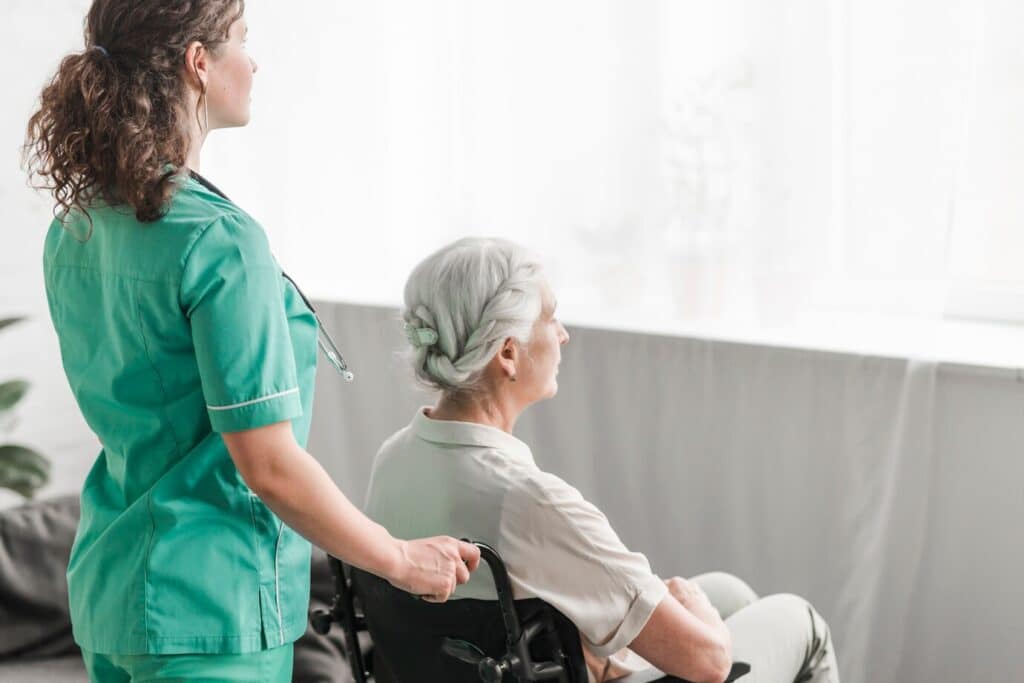

For older adults who value autonomy, maintaining mobility is essential to a fulfilling lifestyle. Many seniors use canes, walkers, or rollators to move confidently and safely around their homes and communities. However, using these devices comes with its own set of safety considerations. Understanding walking aid safety independent living is crucial for preventing falls, supporting independence, and ensuring peace of mind for both seniors and their families.
This article offers practical advice on selecting, using, and maintaining mobility devices, as well as tips for creating a safer living environment. For those interested in broader home safety topics, you may also find our guide on independent living fire escape plan helpful for emergency preparedness.
Choosing the Right Mobility Device for Safe Independent Living
Selecting the appropriate walking aid is the first step toward safe and confident movement. The right device depends on individual needs, balance, and strength. Consulting with a healthcare provider or physical therapist ensures the chosen aid matches the user’s physical abilities and living environment.
- Canes: Best for those needing minimal support. They offer balance assistance but are not suitable for significant weight-bearing.
- Walkers: Provide more stability and are ideal for those with balance concerns or weakness in both legs.
- Rollators: Feature wheels and a seat, making them suitable for those who need frequent rests and can manage a device that rolls smoothly.
The fit of the device is just as important as the type. Handles should be at wrist height when arms are relaxed at the sides, and the device should feel stable and comfortable to use.

Best Practices for Using Walking Aids Safely at Home
Once the appropriate mobility aid is selected, using it correctly is key to preventing accidents. Here are some essential tips for walking aid safety independent living:
- Clear Pathways: Remove rugs, cords, and clutter that could cause tripping. Keep walkways wide enough for easy navigation with the device.
- Proper Footwear: Wear shoes with non-slip soles and avoid loose slippers or socks that increase the risk of slipping.
- Correct Technique: Learn and practice the right way to use the device. For example, when using a cane, it should move forward with the opposite leg. For walkers and rollators, both hands should grip the handles, and steps should be taken within the frame.
- Slow and Steady: Take time when standing up, sitting down, or turning. Rushing increases the risk of losing balance.
- Lighting: Ensure all areas, especially hallways and bathrooms, are well-lit to avoid unseen obstacles.
Practicing these habits daily helps seniors feel more secure and reduces the likelihood of falls.
Maintaining Walking Aids for Ongoing Safety
Regular maintenance is a critical part of walking aid safety independent living. A well-maintained device provides reliable support and minimizes the risk of malfunction.
- Inspect Regularly: Check for loose screws, worn-out grips, or damaged rubber tips. Replace any parts that show signs of wear.
- Clean Wheels and Frames: Dirt and debris can affect the movement of walkers and rollators. Wipe down surfaces and ensure wheels roll smoothly.
- Professional Tune-Ups: For rollators or more complex devices, periodic checks by a professional can catch issues before they become hazards.
Keeping mobility aids in top condition ensures they remain a safe and effective tool for daily living.

Creating a Supportive Environment for Seniors Using Mobility Devices
The home environment plays a major role in supporting safe, independent movement. Simple modifications can make a significant difference:
- Install Grab Bars: Place sturdy bars in bathrooms and near steps to provide extra support.
- Use Non-Slip Mats: In bathrooms and kitchens, non-slip mats help prevent falls.
- Adjust Furniture: Arrange furniture to allow clear, wide paths for walking aids. Avoid sharp corners and unstable pieces.
- Accessible Storage: Keep frequently used items within easy reach to minimize the need for stretching or bending.
These changes not only enhance safety but also promote confidence and ease of movement throughout the home.
Additional Resources and Community Support
Staying informed about safety practices and connecting with others can further support independent living. Many communities offer balance classes, peer support groups, and home safety assessments. For more comprehensive safety tips, you might find this collection of senior living safety tips valuable.
It’s also helpful to explore related topics such as extreme heat safety independent living and independent living medication safety for a holistic approach to well-being.
FAQ: Walking Aid Safety and Independent Living
How do I know if my walking aid is the right fit?
The handle of your device should align with your wrist when your arm is relaxed at your side. When you grip the handle, your elbow should bend slightly (about 15–30 degrees). If you’re unsure, a physical therapist or healthcare provider can help ensure the device is properly adjusted.
What should I do if my mobility device feels unstable?
Stop using the device immediately and inspect it for loose parts, worn tips, or bent frames. If you can’t identify the issue, consult a professional for repairs or replacement. Never use a walking aid that feels unsafe.
Are there specific exercises to improve balance while using a walking aid?
Yes, gentle balance and strength exercises can help. Activities like standing marches, heel-to-toe walking, and chair rises build stability. Always consult a healthcare provider before starting new exercises, especially if you use a mobility device.
Can I use my walking aid outside the home?
Absolutely. Many walking aids are designed for both indoor and outdoor use. However, check that the device is suitable for uneven surfaces and always be mindful of weather conditions, curbs, and obstacles.
How often should I check my walking aid for maintenance?
Inspect your device at least once a month, or more often if you use it daily. Look for signs of wear, loose parts, and ensure all moving components function smoothly.