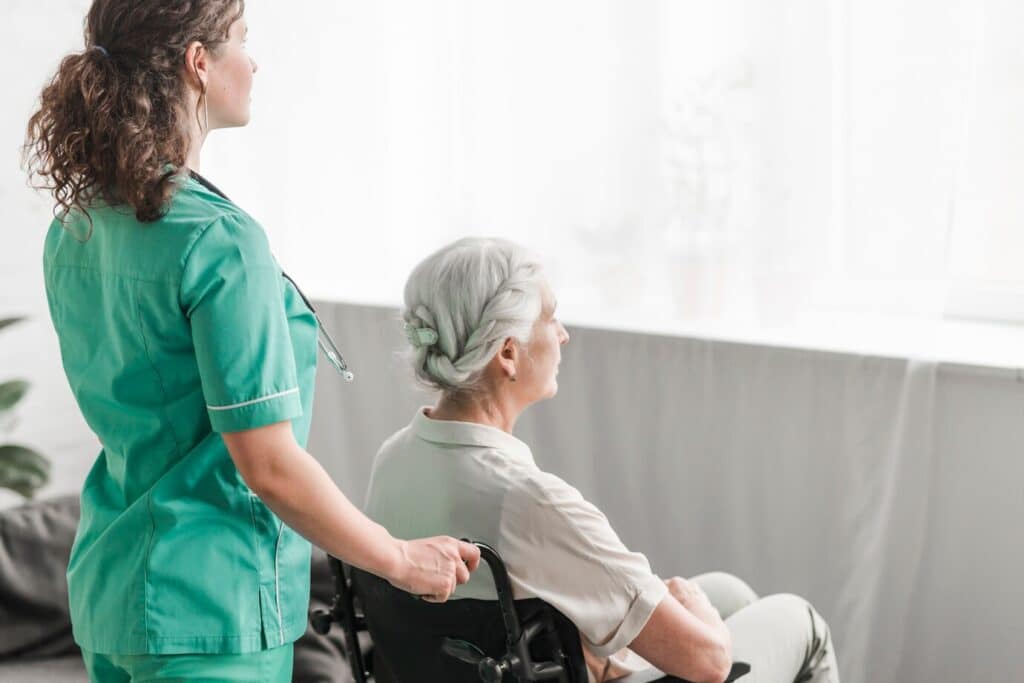
Living on your own can be empowering, but it also comes with unique challenges—especially when it comes to moving safely from one place to another within your home. Whether you’re transitioning from a bed to a chair, standing up from the sofa, or navigating the bathroom, understanding transfer safety living alone is essential for maintaining your independence and reducing the risk of falls or injuries.
Many people who live alone, particularly seniors or those with mobility limitations, face increased risks during daily transfers. By learning practical techniques, making small adjustments to your environment, and staying aware of your body’s needs, you can confidently manage these movements and continue enjoying the freedom of independent living.
For those interested in seasonal safety, you may also find value in our guide on winter safety living alone, which covers additional strategies for staying secure during colder months.
Understanding the Importance of Safe Transfers When Living Alone
Transfers—such as moving from a bed to a wheelchair, standing from a seated position, or stepping into the shower—are common daily activities. However, when you’re living solo, these movements require extra attention. Without someone nearby to assist, a small slip or misstep can lead to serious consequences. That’s why prioritizing transfer safety living alone is not just about convenience—it’s about protecting your well-being and maintaining your independence.
Falls are one of the leading causes of injury among older adults and those with mobility challenges. Many of these incidents happen during transfers. By understanding your own abilities and making your environment safer, you can significantly reduce your risk.
Preparing Your Home for Safe Transfers
A well-organized living space is the foundation of safe movement. Here are some practical steps to make your home transfer-friendly:
- Clear Pathways: Remove clutter, loose rugs, and electrical cords from walkways. Make sure there’s enough space to maneuver mobility aids, if needed.
- Install Grab Bars and Handrails: Place sturdy grab bars near toilets, showers, and beds. Handrails along hallways and stairs provide extra support.
- Use Non-Slip Surfaces: Apply non-slip mats in the bathroom and kitchen. Choose footwear with good grip to prevent slipping.
- Adjust Furniture Height: Chairs and beds that are too low or too high can make transfers more difficult. Consider furniture risers or cushions to achieve a comfortable height.
- Keep Essentials Within Reach: Place frequently used items—like phones, remotes, and medications—on accessible surfaces to avoid unnecessary bending or reaching.

Techniques for Safe Transfers in Daily Life
Mastering safe transfer techniques is crucial for anyone living alone. Here are some recommended methods and tips:
- Plan Your Movements: Before standing or moving, take a moment to assess your surroundings and ensure you have a stable surface to hold onto.
- Use Your Stronger Side: If you have one side that’s stronger, lead with it when standing or pivoting.
- Move Slowly and Deliberately: Rushing increases the risk of losing balance. Take your time and focus on each step.
- Keep Your Feet Flat: When standing up, place your feet flat on the floor and push up using your legs, not your back.
- Use Assistive Devices: Transfer boards, canes, or walkers can provide extra stability. Make sure they’re in good condition and within reach before you start moving.
- Don’t Hesitate to Sit Back Down: If you feel unsteady, it’s safer to sit and try again than to risk a fall.
Adapting to Changing Needs for Independent Living
Over time, your mobility and strength may change. Regularly evaluate your abilities and adjust your environment as needed. Consider these strategies:
- Schedule Regular Check-Ins: Periodically review your home setup and transfer techniques. Ask a physical therapist or occupational therapist for advice if you notice new challenges.
- Stay Physically Active: Gentle exercises, such as stretching or balance training, can help maintain strength and coordination.
- Update Safety Equipment: Replace worn-out grab bars, mats, or assistive devices promptly.
- Consider Technology: Medical alert systems or voice-activated devices can provide peace of mind in case of emergencies.
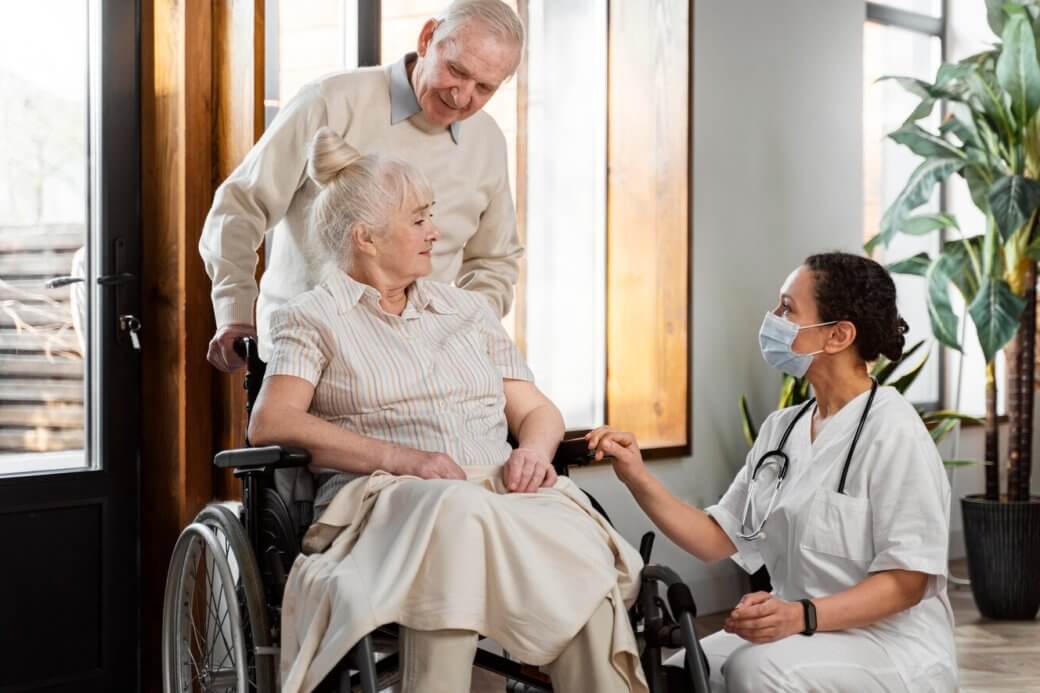
Additional Resources for Safe and Independent Living
There are many resources available to help you stay safe and independent. For example, you can find a comprehensive senior independent living safety checklist that covers a broad range of topics, from home modifications to emergency preparedness.
For those interested in other aspects of solo living, consider exploring topics like independent living medication safety, food safety for living alone, or developing an independent living fire escape plan for your home. Each of these areas complements your efforts to stay safe during daily transfers and supports your overall well-being.
Transfer Safety Living Alone: Frequently Asked Questions
What are the most important home modifications for safe transfers?
The most effective changes include installing grab bars in bathrooms and near beds, ensuring all floors are non-slip, and keeping pathways clear of obstacles. Adjusting furniture height and using sturdy chairs with armrests also make transfers easier and safer.
How can I practice safe transfer techniques if I have limited mobility?
Start by moving slowly and using your strongest side for support. Always have assistive devices, like a walker or cane, within reach. If possible, consult with a physical or occupational therapist to learn personalized techniques and exercises that suit your abilities.
What should I do if I feel unsteady during a transfer?
If you feel off-balance, pause and sit back down if possible. Take a moment to regain your composure, and try again when you feel ready. If you continue to feel unsteady, consider using additional support or contacting a healthcare professional for advice.
Are there any seasonal considerations for transfer safety?
Yes, weather can impact safety. For example, during winter, floors may become slippery from tracked-in moisture. Refer to our extreme heat safety independent living guide for tips on staying safe during hot weather, and always adjust your routines to match seasonal risks.