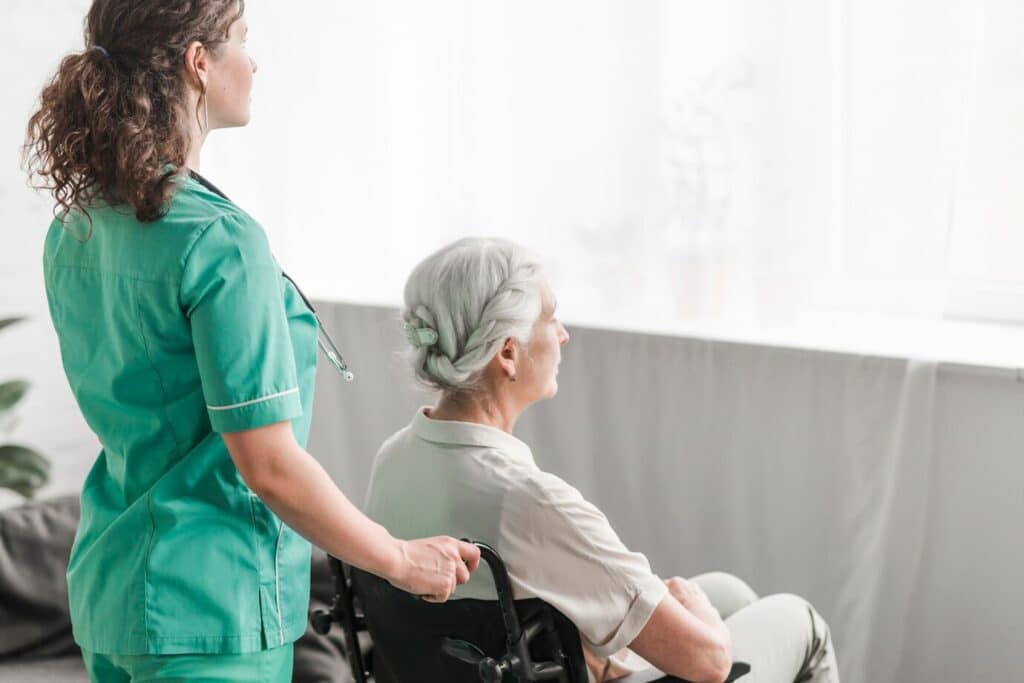

As more adults choose to age in place, ensuring a secure and healthy environment becomes a top priority. Telehealth for independent living safety is transforming how seniors and their families approach daily wellness, emergency preparedness, and ongoing care. With advances in remote monitoring, virtual consultations, and digital health tools, older adults can maintain autonomy while benefiting from professional oversight and rapid response when needed.
This guide explores how telehealth solutions support independent living, enhance safety, and offer peace of mind for both residents and their loved ones. For those seeking practical steps to reduce risks at home, resources like independent living hazard awareness provide additional strategies to create a safer environment.
Understanding Remote Health Solutions for Seniors
The concept of telehealth extends far beyond video calls with doctors. It encompasses a wide range of technologies designed to monitor health, facilitate communication, and manage emergencies from a distance. For those living independently, these tools bridge the gap between self-reliance and professional care, making it easier to stay safe without sacrificing freedom.
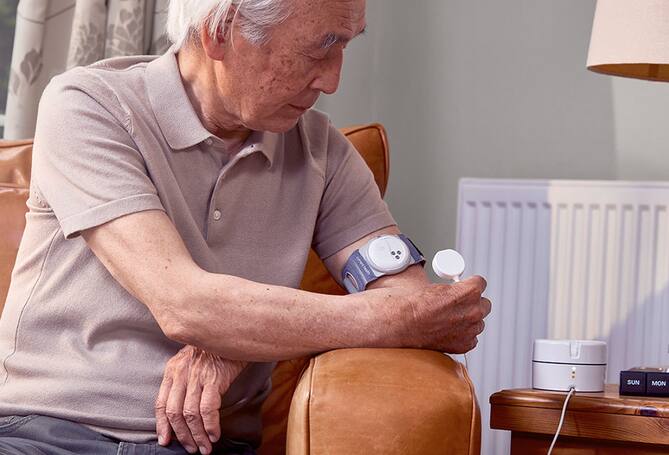
- Remote monitoring devices can track vital signs and detect falls, sending alerts to caregivers or emergency services if needed.
- Virtual appointments allow for regular check-ins with healthcare providers, reducing the need for travel and minimizing exposure to illness.
- Medication management apps help seniors remember doses and track prescriptions, lowering the risk of missed or incorrect medications.
Enhancing Home Safety with Telehealth Tools
Integrating telehealth for independent living safety into daily routines can significantly reduce hazards in the home. Many seniors face risks such as falls, medication errors, and delayed emergency response. Telehealth platforms address these concerns by offering real-time monitoring and instant communication channels.

Some of the most effective safety enhancements include:
- Wearable alert systems that notify caregivers if a fall or unusual movement is detected.
- Smart home devices that monitor doors, stoves, and water usage, helping to prevent accidents before they occur.
- 24/7 access to telehealth professionals who can assess situations remotely and advise on next steps.
For additional tips on creating a secure living space, consider reviewing independent living safety tips that complement telehealth solutions.
Benefits of Virtual Care for Older Adults
The adoption of telehealth brings several advantages to those living independently. These benefits extend beyond convenience and directly impact quality of life and overall well-being.
- Increased autonomy: Seniors can manage their health proactively without frequent in-person visits.
- Faster response times: Immediate alerts and virtual consultations enable quicker intervention during emergencies.
- Reduced isolation: Regular virtual check-ins help maintain social connections and mental health.
- Personalized care: Data from remote monitoring allows healthcare providers to tailor recommendations and interventions.
Key Considerations When Choosing Telehealth Services
Selecting the right telehealth platform involves more than just technology. It’s important to evaluate features, ease of use, and compatibility with existing home setups. Here are some factors to consider:
- User-friendliness: Devices and apps should be intuitive for seniors, with clear instructions and accessible support.
- Integration: Look for solutions that work seamlessly with other safety devices, such as medical alert systems or smart home sensors.
- Privacy and security: Ensure that all personal health data is protected and that communication channels are secure.
- Support network: Choose services that offer reliable customer support and easy access to healthcare professionals.
If you’re interested in a comprehensive approach to minimizing risks, the independent living risk prevention resource offers additional insights into combining telehealth with other safety strategies.
Integrating Telehealth with Daily Routines
Making telehealth a natural part of everyday life can be straightforward with the right planning. Here are practical steps to help seniors and their families get started:
- Schedule regular virtual appointments for health check-ins and medication reviews.
- Set up reminders for medication, hydration, and activity using smartphone apps or voice assistants.
- Encourage family members to participate in virtual visits to foster connection and support.
- Review safety protocols and emergency contacts with all caregivers and loved ones.
For a structured approach to independent living safety, the independent living safety guide provides step-by-step recommendations that work well alongside telehealth solutions.
Challenges and Solutions in Remote Care
While the benefits of telehealth are clear, some challenges remain. Seniors may face barriers such as limited internet access, unfamiliarity with technology, or concerns about privacy. Addressing these issues requires collaboration between families, healthcare providers, and technology companies.
- Technology training: Offering simple tutorials or in-person demonstrations can help seniors feel more comfortable with new devices.
- Reliable connectivity: Ensuring stable internet or cellular connections is essential for uninterrupted care.
- Clear communication: Regular check-ins and open discussions about privacy can build trust and encourage adoption.
For more ideas on how to stay safe while aging, the senior independent living checklist offers a helpful overview of best practices, including the integration of telehealth and other safety measures.
Frequently Asked Questions
How does telehealth improve safety for seniors living independently?
Telehealth enhances safety by providing real-time health monitoring, immediate access to medical professionals, and automated alerts for emergencies such as falls or missed medications. These features help ensure that seniors receive timely assistance while maintaining their independence.
What types of telehealth devices are most useful for independent living?
Useful devices include wearable emergency alert systems, remote vital sign monitors, smart medication dispensers, and video-enabled communication tools. These technologies collectively support daily health management and rapid response in case of emergencies.
Are telehealth services secure and private?
Most reputable telehealth platforms use encrypted communication and follow strict privacy regulations to protect personal health information. It’s important to choose services that clearly outline their security measures and offer support for any privacy concerns.
Can telehealth reduce feelings of isolation for seniors?
Yes, regular virtual check-ins with healthcare providers and family members can help reduce loneliness and promote mental well-being. Many platforms also offer group sessions or social activities to foster community connections.