
Discussing safety with elderly loved ones is a sensitive yet essential task. With age, the needs and abilities of our elderly family members change, requiring adjustments in their living environments and routines to ensure their well-being. As family caregivers, it is crucial to engage in safety conversations with elderly loved ones to address potential risks and implement necessary precautions.
By initiating these conversations, we can better understand their concerns and preferences, leading to practical solutions that enhance their independence and quality of life. In this article, we will explore various aspects of these conversations and provide helpful tips for addressing the unique needs of elderly family members.
Understanding the Importance of Safety Conversations
The Growing Need for Safety Awareness
As our loved ones age, they may face a variety of challenges, such as reduced mobility, vision impairments, and cognitive decline. These factors can increase their risk of accidents and injuries within their homes. By discussing safety openly, families can proactively identify and mitigate potential hazards, ensuring a safer living environment for their elderly members.
Building Trust and Open Communication
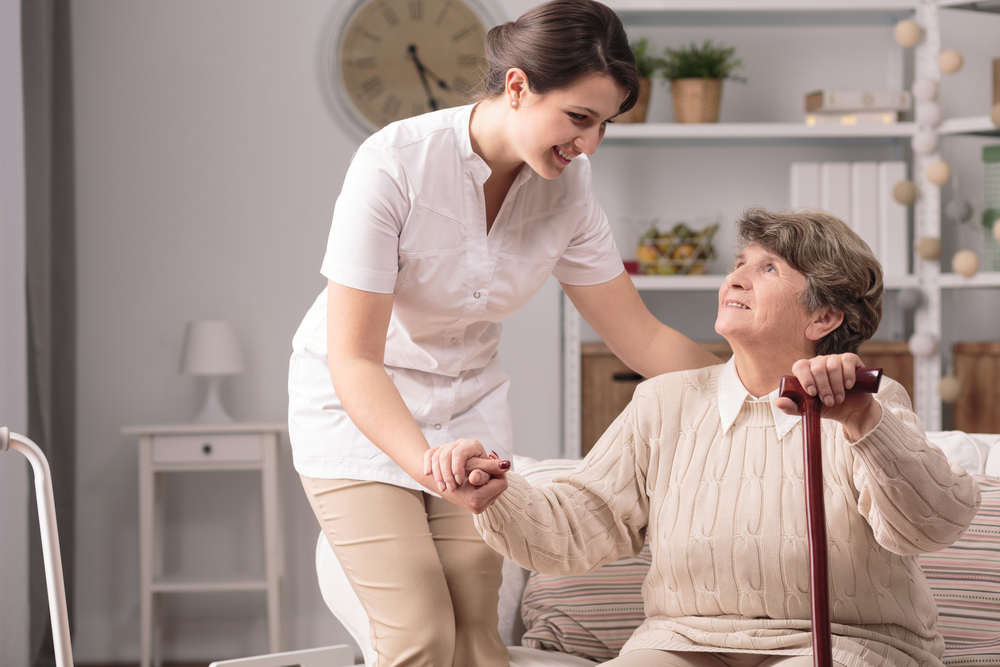
Effective safety conversations rely on trust and open communication between caregivers and their elderly loved ones. It is essential to approach these discussions with empathy and understanding, acknowledging their fears and concerns. By fostering a supportive atmosphere, caregivers can encourage their loved ones to express their needs and preferences honestly.
Key Topics for Safety Conversations
Home Safety Measures
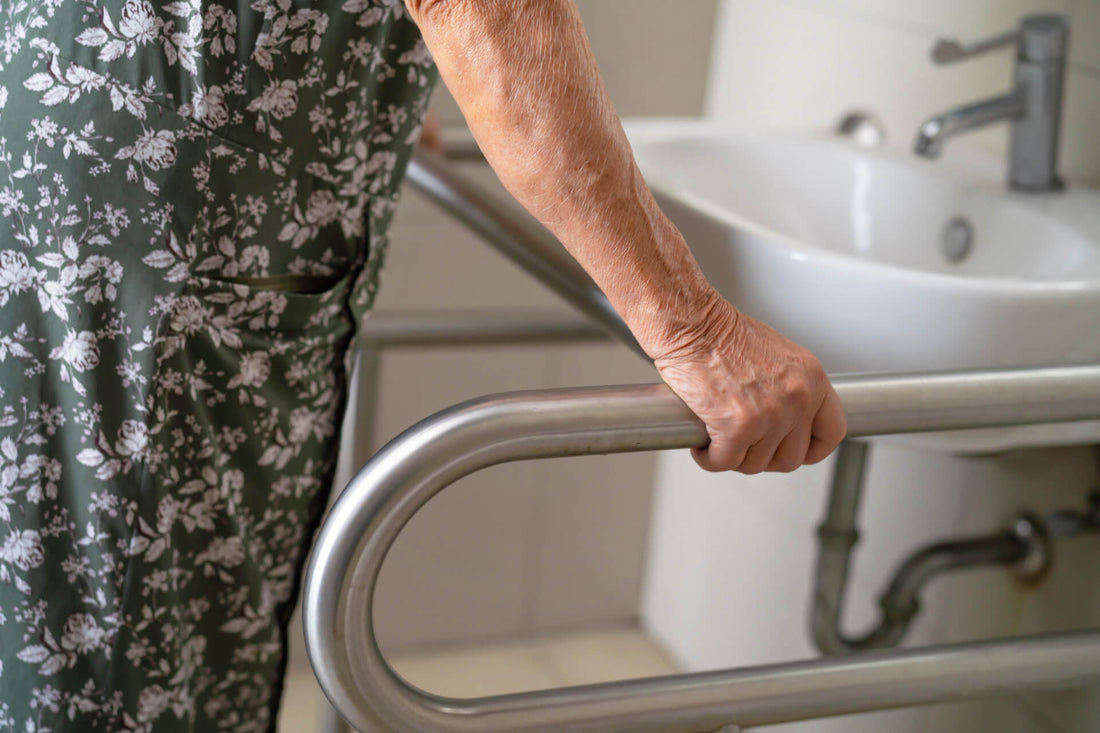
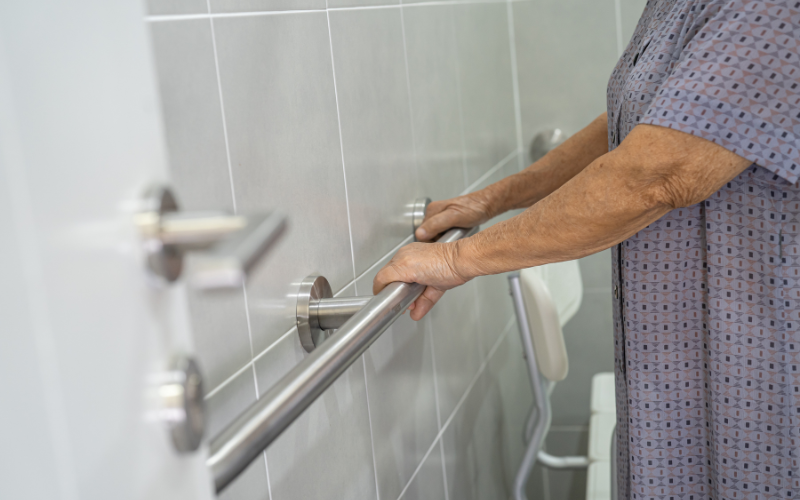
Addressing home safety is a top priority when discussing safety with elderly loved ones. Considerations may include fall prevention, fire safety, and security measures. Families can explore simple modifications such as installing grab bars, improving lighting, and removing tripping hazards to create a safer home environment.
Health and Medication Management
Managing health and medications is another critical aspect of safety conversations. Caregivers should discuss their loved ones’ medical needs, including medication schedules, dietary restrictions, and regular check-ups. It may be beneficial to involve healthcare professionals in these discussions to ensure comprehensive care.
Emergency Preparedness
Preparing for emergencies is vital for the safety of elderly family members. Caregivers should develop an emergency plan, including contact information for family members, neighbors, and medical professionals. Regularly reviewing and practicing emergency procedures can help seniors feel more confident and secure in their homes.
Practical Tips for Engaging in Safety Conversations
Choosing the Right Time and Setting
Timing and setting are crucial when initiating safety conversations. Choose a calm and comfortable environment where your loved one feels at ease. Ensure there are no distractions and allow ample time for discussion.
Listening Actively and Empathetically
Listening is a vital component of effective communication. Encourage your loved one to share their thoughts and concerns without interruption. Show empathy by acknowledging their feelings and validating their experiences.
Involving Them in Decision-Making
Empower your loved one by involving them in the decision-making process. Discuss potential solutions and allow them to express their preferences. This collaborative approach can lead to more successful outcomes and greater satisfaction.
Resources for Family Caregivers
Finding Support and Information
Family caregivers can access a wealth of resources to assist in safety conversations. Online platforms, support groups, and professional organizations offer guidance and information on best practices for elderly care. One such resource is the 10 Tips to Make a Home Safe for Aging.
Utilizing Technology for Safety
Technology can play a significant role in enhancing the safety of elderly loved ones. Consider integrating voice-activated devices and home renovation tips to improve their living environment. These advancements offer peace of mind for both seniors and their caregivers.
Professional Guidance and Support
Caregivers may benefit from seeking professional advice when navigating complex safety issues. Geriatric care managers, social workers, and healthcare professionals can provide valuable insights and support tailored to the specific needs of elderly individuals.
Common Challenges in Safety Conversations
Resistance to Change
Resistance to change is a common challenge when discussing safety with elderly loved ones. Some seniors may be hesitant to alter their routines or environment due to fear of losing independence. Patience and understanding are key to overcoming this obstacle.
Balancing Independence and Safety
Striking a balance between independence and safety can be challenging for caregivers. It is essential to respect your loved one’s desire for autonomy while ensuring their safety. Collaborate with them to find solutions that accommodate both needs.
Conclusion: Prioritizing Safety and Well-being
Engaging in safety conversations with elderly loved ones is a vital step in ensuring their well-being and quality of life. By addressing their unique needs and preferences, families can create a supportive and secure environment that promotes independence and confidence. Remember, these conversations are ongoing and may require periodic reassessment as circumstances change.
FAQ Section
What are some simple home safety modifications for seniors?
Simple modifications include installing grab bars in bathrooms, improving lighting, and removing tripping hazards. For more tips, visit meal safety ideas.
How can technology help improve safety for elderly loved ones?
Technology such as voice-activated devices and smart home systems can enhance safety by providing easy access to assistance and monitoring.
How do I approach safety conversations with resistant loved ones?
Approach conversations with empathy and understanding, acknowledging their concerns and involving them in decision-making to foster collaboration and acceptance.
This article contains affiliate links. We may earn a commission at no extra cost to you.