
Embracing independent living social safety is essential for anyone choosing to live on their own, especially older adults and those seeking to maintain autonomy as they age. Creating a secure, connected, and healthy lifestyle means more than just locking doors—it involves nurturing social connections, staying informed, and adopting practical strategies for both physical and emotional wellbeing.
This guide explores actionable ways to enhance safety, foster community, and support overall wellness for those living independently. Whether you’re seeking to improve your own daily life or support a loved one, the following tips and resources will help you build a safer, more fulfilling environment.
For those interested in financial protection while living independently, you may also find value in our resource on financial safety independent living, which covers budgeting, fraud prevention, and managing expenses securely.
Building a Secure Home Environment
The foundation of social safety in independent living starts at home. A well-prepared living space not only prevents accidents but also provides peace of mind for both residents and their families. Here are some practical steps to make your home safer and more comfortable:
- Install sturdy locks and consider a peephole or video doorbell to screen visitors.
- Ensure all walkways are well-lit and free of tripping hazards.
- Use non-slip mats in bathrooms and kitchens to prevent falls.
- Keep emergency contact numbers visible and easily accessible.
- Test smoke detectors and carbon monoxide alarms regularly.
For additional ideas on preventing accidents, especially in high-risk areas, our article on independent living bathroom fall prevention offers targeted strategies for safer bathrooms.
Staying Connected for Social Wellbeing
Social interaction is a key factor in maintaining both mental and physical health. Isolation can increase risks for depression, anxiety, and even physical decline. To support wellbeing in independent living, consider these approaches:
- Join community groups, clubs, or hobby classes to meet new people.
- Schedule regular calls or visits with friends and family.
- Explore volunteer opportunities or local events to stay active and engaged.
- Leverage technology—video calls, social media, and messaging apps can help bridge distances.
If you’re interested in using technology safely, our guide on independent living technology safety covers privacy, device security, and digital communication tips.
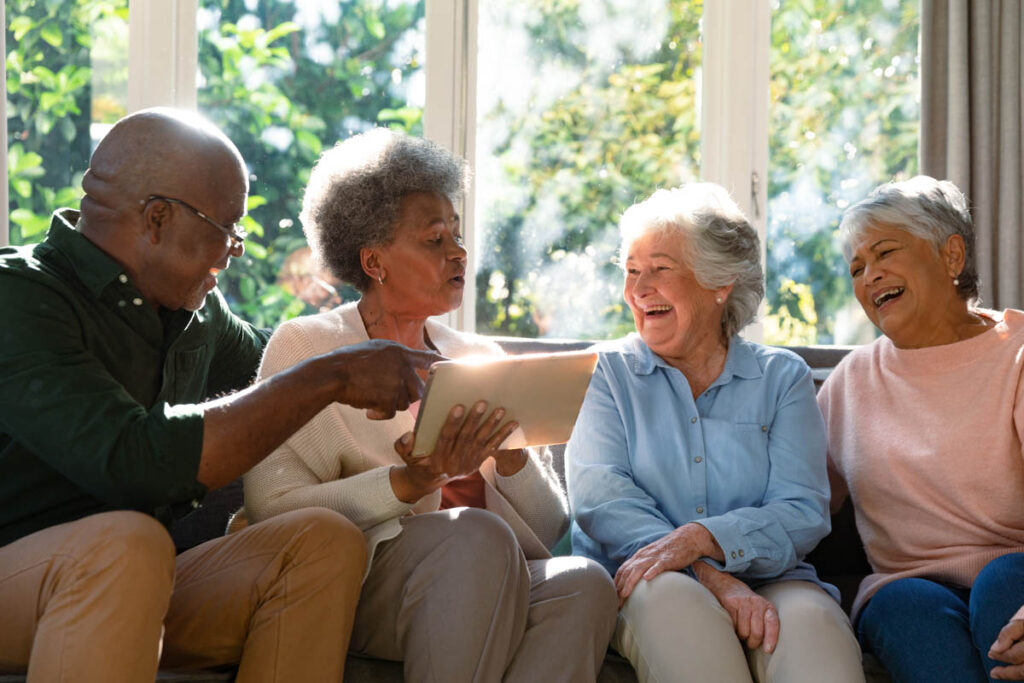
Personal Safety and Community Awareness
Being proactive about personal safety is crucial for those living alone. This includes not only physical security but also awareness of scams, fraud, and emergency preparedness. Here are some essential tips:
- Never share personal information with strangers or over the phone unless you are certain of their identity.
- Participate in neighborhood watch programs or get to know your neighbors.
- Keep a list of trusted contacts for emergencies, including neighbors, friends, and local authorities.
- Stay updated on local news and community alerts.
- Consider carrying a mobile phone or personal safety device when out and about.
For more on protecting yourself from scams, our resource on scam prevention independent living provides practical advice for recognizing and avoiding common threats.
Transportation and Mobility Safety
Safe mobility is a cornerstone of independent living social safety. Whether you drive, use public transportation, or walk, staying alert and prepared can prevent accidents and support your independence:
- Have regular vision and hearing checks to ensure you’re fit to drive or navigate public spaces.
- Plan routes ahead of time, especially if traveling to unfamiliar areas.
- Use well-lit, populated routes and avoid traveling alone at night when possible.
- Keep your phone charged and carry identification at all times.
- Review public transportation schedules and safety features in your area.
For those who drive, our article on driving safety seniors living alone offers additional guidance on staying safe behind the wheel.
Health, Wellness, and Emergency Preparedness
Maintaining good health is an integral part of social safety for those living independently. Regular check-ups, medication management, and a healthy lifestyle all contribute to a greater sense of security and wellbeing:
- Keep a list of medications and allergies handy for emergencies.
- Attend regular medical and dental appointments.
- Eat a balanced diet and stay hydrated.
- Exercise regularly, even if it’s just a daily walk or stretching routine.
- Prepare an emergency kit with essentials like water, food, flashlight, and first aid supplies.
For a comprehensive list of safety tips tailored to older adults, you can visit this collection of safety recommendations for elderly people living alone.
Frequently Asked Questions
What are the most important steps to improve social safety for independent living?
Focus on securing your home, staying socially connected, and being aware of potential scams or emergencies. Regular communication with friends, family, and neighbors, along with home safety upgrades, can make a significant difference.
How can technology help with safety and wellbeing for those living alone?
Technology offers tools like video calls, emergency alert systems, and home monitoring devices. These can help you stay connected, receive help quickly in emergencies, and manage daily tasks more easily.
What should I include in an emergency preparedness kit for independent living?
Your kit should have water, non-perishable food, a flashlight, batteries, a first aid kit, medications, important documents, and emergency contact information. Tailor the contents to your specific needs and update it regularly.