
Living independently offers freedom and flexibility, but it also requires a proactive approach to personal safety. Whether you’re a senior, a young adult moving out for the first time, or someone managing a household on your own, prioritizing security is essential. By following practical independent living safety tips, you can create a safer environment and enjoy peace of mind in your daily routine.
Technology plays a growing role in home safety. For example, understanding how to use smart speakers safely can help you leverage convenience without compromising privacy or security. These small steps, combined with other measures, can make a significant difference in your overall well-being.
Home Security Basics for Independent Living
Securing your living space is the foundation of any safety strategy. Start by evaluating entry points such as doors and windows. Install sturdy locks and deadbolts, and consider using smart locks for added convenience and control. Motion-sensor lights around entrances can deter unwanted visitors, especially at night.
If you live in a building with shared access, always verify the identity of visitors before letting them in. Intercom systems and peepholes are simple yet effective tools. For those who want a higher level of protection, security cameras and alarm systems are widely available and increasingly affordable.

Emergency Preparedness and Response Plans
Being prepared for emergencies is a crucial part of living independently. Develop a plan for situations like fires, medical incidents, or severe weather. Make sure smoke detectors and carbon monoxide alarms are installed and tested regularly. Keep a fire extinguisher in an accessible location, and know how to use it.
Create a list of emergency contacts, including family, friends, and local services. Store this information in an easy-to-find place, such as on the refrigerator or saved in your phone. Practice evacuation routes and ensure all household members are familiar with the plan.
For more comprehensive guidance, you can review resources like the senior independent living checklist for safety, which covers additional preparedness tips tailored to older adults.
Technology and Digital Safety for Independent Lifestyles
Embracing technology can enhance both convenience and security. Smart home devices, such as cameras, alarms, and sensors, allow you to monitor your environment remotely. However, it’s important to use these devices wisely to avoid privacy risks.
Set strong, unique passwords for all connected devices and update them regularly. Enable two-factor authentication when available. Be cautious about sharing personal information online and educate yourself about common scams targeting independent individuals.
If you use smart assistants or connected cameras, learn how to adjust privacy settings and disable features you don’t need. For more advice on this topic, see our article on how to prevent camera spying in smart homes.
Personal Safety Habits for Everyday Life
Beyond securing your home and devices, adopting safe daily habits is essential. Always lock doors and windows when leaving or going to bed. Avoid sharing your routine or travel plans publicly, especially on social media.
When meeting new people or service providers, arrange meetings in public places or have a trusted friend present. Trust your instincts—if something feels off, take precautions or seek help. Carry a charged phone and keep emergency numbers easily accessible.
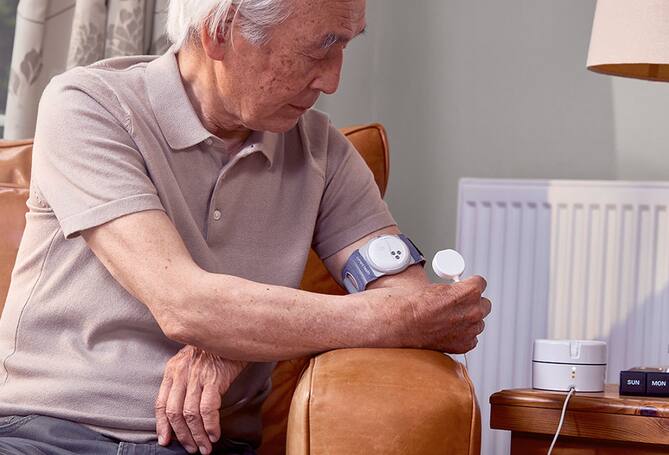
If you have mobility or health concerns, consider wearable alert devices that can connect you to help quickly in case of a fall or medical emergency.
Home Modifications to Reduce Risks
Simple changes around your living space can prevent accidents and make daily life easier. Remove tripping hazards like loose rugs and cluttered walkways. Install grab bars in bathrooms and non-slip mats in showers and tubs.
Good lighting is vital—ensure hallways, stairs, and entryways are well-lit. Use nightlights in bedrooms and bathrooms for safe navigation after dark. If you have difficulty reaching high shelves or cabinets, keep frequently used items within easy reach.
For those interested in balancing privacy with safety, our article on how to balance privacy and safety in digital life provides practical strategies for maintaining independence while staying secure.
Staying Connected with Community and Support Networks
Maintaining regular contact with family, friends, and neighbors adds another layer of security. Share your schedule with someone you trust and check in regularly. Join local groups or community centers to build relationships and stay informed about neighborhood safety issues.
If you ever feel unsafe or notice suspicious activity, don’t hesitate to reach out to local authorities or community watch programs. Staying connected not only supports your well-being but also strengthens your sense of independence.
FAQ: Common Questions About Safe Independent Living
What are the most important home safety devices for independent living?
Essential devices include smoke and carbon monoxide detectors, sturdy locks, motion-sensor lights, and security cameras. For added peace of mind, consider wearable medical alert systems and smart home technology that allows for remote monitoring.
How can I protect my privacy while using smart home devices?
Use strong passwords and enable two-factor authentication on all devices. Regularly update device software, disable unnecessary features, and review privacy settings. Be mindful of where cameras and microphones are placed, and consult guides on how to prevent camera spying for more tips.
What should I do if I feel unsafe in my home?
If you feel threatened or notice suspicious activity, contact local authorities immediately. Keep emergency contacts accessible and inform a trusted friend or family member of your concerns. Consider joining a neighborhood watch or community group for additional support.
Are there resources for seniors to improve home safety?
Yes, many organizations offer checklists and guides tailored to older adults. For example, the senior independent living checklist for safety provides detailed advice on home modifications, emergency planning, and daily routines.
Adopting these independent living safety tips can help you create a secure, comfortable, and confident lifestyle. By staying informed and making thoughtful choices, you can enjoy the benefits of independence while minimizing risks.