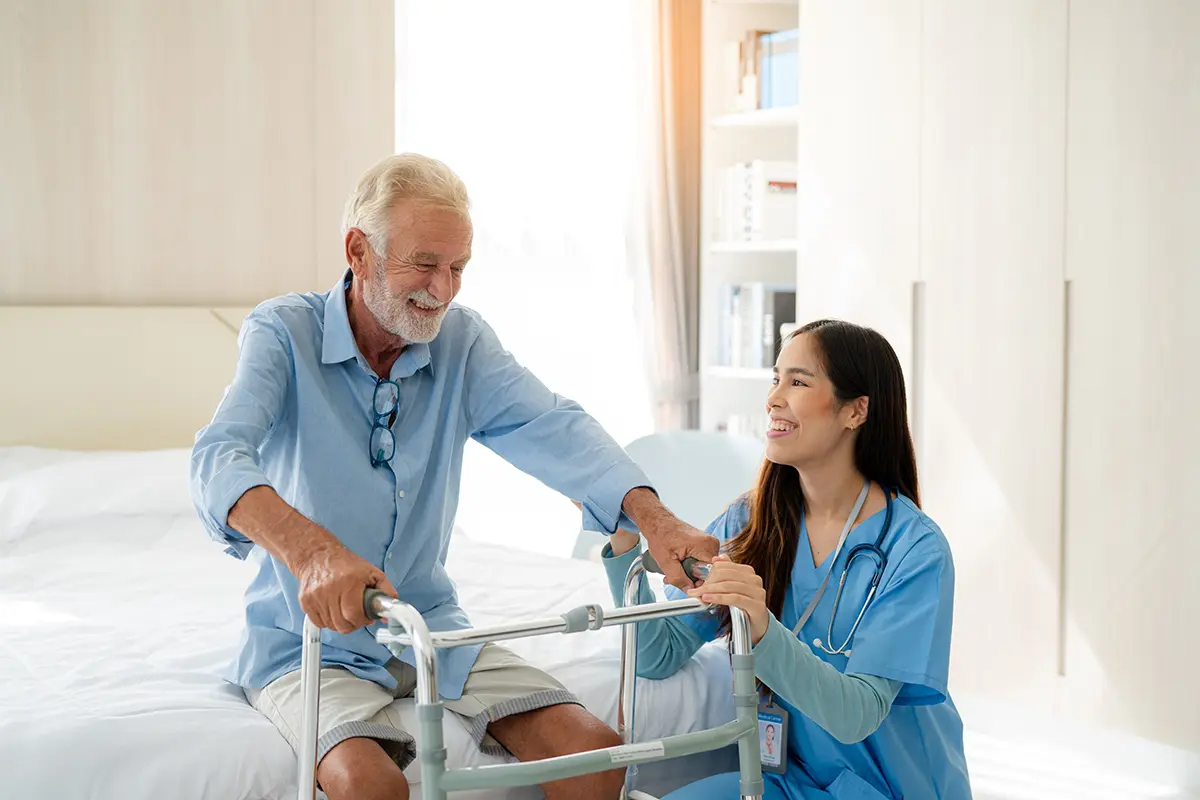
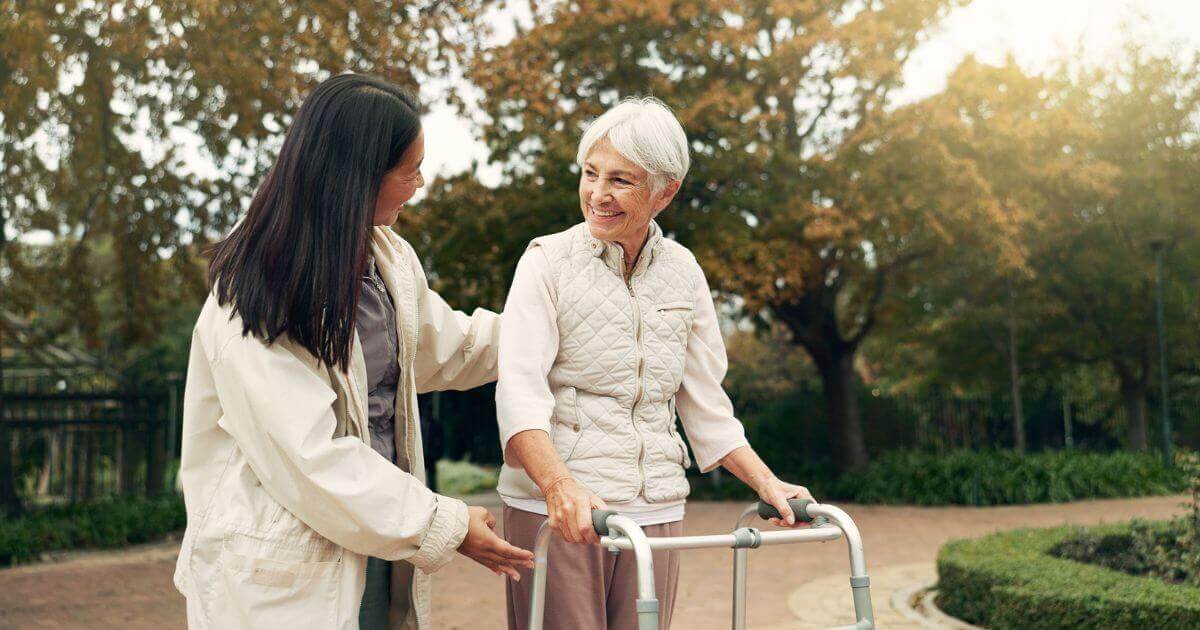
As more adults choose to age in place or transition to senior communities, ensuring a safe and secure environment becomes a top priority. Access to independent living safety resources empowers individuals to maintain autonomy while minimizing risks at home or within residential settings. From practical tools to community-based support, understanding the range of available options is crucial for both seniors and their loved ones.
Whether you’re evaluating your current living space or seeking advice on best practices, leveraging trusted guidance can make a significant difference. For those interested in a thorough review of their home environment, an independent living safety assessment offers a structured approach to identifying and addressing potential hazards early on.
Understanding the Importance of Safety in Independent Living
Prioritizing safety in independent living environments is essential for maintaining quality of life and peace of mind. As individuals age, certain risks—such as falls, medication errors, and social isolation—can become more pronounced. Utilizing independent living safety resources helps address these concerns proactively, supporting both physical and emotional well-being.
Safety is not just about preventing accidents; it also involves creating an environment where residents feel confident and supported. This can include everything from home modifications to access to emergency response systems and regular wellness checks.
Key Types of Independent Living Safety Resources
There is a wide array of tools and services designed to enhance safety for those living independently. These resources can be tailored to individual needs and preferences, ensuring a personalized approach to well-being.
- Home Safety Modifications: Installing grab bars, non-slip flooring, improved lighting, and accessible showers can significantly reduce the risk of falls and injuries.
- Medical Alert Systems: Wearable devices and emergency call buttons provide immediate access to help in case of accidents or health emergencies.
- Medication Management: Pill organizers, reminder apps, and pharmacy delivery services help prevent missed doses or medication errors.
- Community Support Services: Local organizations and senior centers often offer wellness checks, transportation, and meal delivery to support daily living.
- Technology Solutions: Smart home devices, such as motion sensors and video doorbells, enhance security and convenience.

Practical Tips for Enhancing Safety at Home
Implementing simple changes can make a significant difference in reducing everyday risks. Here are some practical strategies for creating a safer living environment:
- Keep pathways and hallways clear of clutter to prevent tripping hazards.
- Ensure all rooms are well-lit, especially stairways and entrances.
- Use non-slip mats in bathrooms and kitchens.
- Store frequently used items within easy reach to avoid unnecessary bending or stretching.
- Test smoke detectors and carbon monoxide alarms regularly.
- Establish a daily check-in routine with a family member, friend, or neighbor.
For more detailed advice, resources like comprehensive safety tips for elderly people living alone can provide additional insights tailored to specific circumstances.
Community-Based Support and Social Safety
Social connections play a vital role in overall safety and mental health. Engaging with neighbors, participating in local activities, and utilizing community programs can help reduce feelings of isolation and provide an extra layer of support.
Many communities offer group activities, wellness classes, and volunteer opportunities that foster a sense of belonging. In addition, services like community support for independent living can connect residents with local resources and peer networks.

Addressing Emotional Well-Being and Stress Management
Emotional health is closely linked to physical safety. Managing stress, staying socially active, and maintaining a positive outlook can all contribute to a safer and more enjoyable independent living experience.
Techniques such as mindfulness, regular exercise, and participation in group activities can help reduce anxiety and promote resilience. For those who may struggle with the transition to living alone, resources on stress management living alone offer practical guidance and support.
Protecting Personal Information and Preventing Scams
In today’s digital age, safeguarding personal data is an important aspect of independent living safety. Seniors are often targeted by scams and identity theft attempts, making it essential to stay informed and vigilant.
- Never share personal or financial information with unknown callers or online contacts.
- Use strong, unique passwords for online accounts and update them regularly.
- Shred sensitive documents before disposing of them.
- Be cautious when opening emails or clicking on links from unfamiliar sources.
For more information on this topic, explore these identity theft prevention seniors tips to help protect yourself and your loved ones.
Frequently Asked Questions
What are the most important safety features for independent living?
Key features include grab bars in bathrooms, non-slip flooring, good lighting, emergency alert systems, and secure entryways. Regular home assessments and access to independent living safety resources can help identify and address specific needs.
How can seniors stay connected and avoid social isolation?
Participating in community activities, joining clubs or classes, and maintaining regular contact with friends and family are effective ways to stay engaged. Many local organizations and online platforms offer opportunities for social interaction and support.
What should I do if I suspect a scam or identity theft attempt?
If you receive suspicious calls, emails, or requests for personal information, do not respond or provide any details. Report the incident to local authorities or a trusted organization. It’s also wise to monitor your accounts and credit reports for any unusual activity.
Conclusion: Building a Safer, More Supportive Living Environment
Access to reliable independent living safety resources is essential for maintaining independence and confidence. By combining practical home modifications, technology, community support, and ongoing education, individuals can create an environment that supports both safety and well-being. Staying proactive and informed ensures that independent living remains a positive and empowering experience for all.