Maintaining a secure and comfortable environment is essential for adults and seniors who wish to live independently. As we age, our needs and risks change, making it crucial to adapt our homes and routines for maximum safety. Whether you are living alone, with a partner, or in a community, understanding the best practices for independent living can help prevent accidents and promote peace of mind.
This comprehensive resource explores practical steps, essential tools, and expert advice to support safe, confident living for older adults. By focusing on prevention and awareness, individuals and their loved ones can enjoy greater autonomy while minimizing hazards.
For those interested in a deeper understanding of potential risks and how to address them, our independent living hazard awareness article offers additional insights into reducing home dangers.
Why Safety Matters for Independent Adults and Seniors
As people age, physical changes such as reduced mobility, vision, and hearing can increase vulnerability to accidents. Falls, burns, and medication errors are among the most common incidents affecting older adults. By proactively addressing these issues, individuals can maintain their independence and avoid unnecessary hospitalizations or relocations.
A well-designed independent living safety guide empowers adults and seniors to take control of their environment, make informed decisions, and remain active participants in their communities.
Key Elements of a Safe Home Environment
Creating a secure living space involves more than just removing obvious hazards. It requires ongoing attention to detail and adaptation as needs evolve. Here are some foundational aspects to consider:
- Lighting: Ensure all areas, especially hallways and staircases, are well-lit to reduce the risk of falls.
- Flooring: Remove loose rugs, repair uneven surfaces, and use non-slip mats in bathrooms and kitchens.
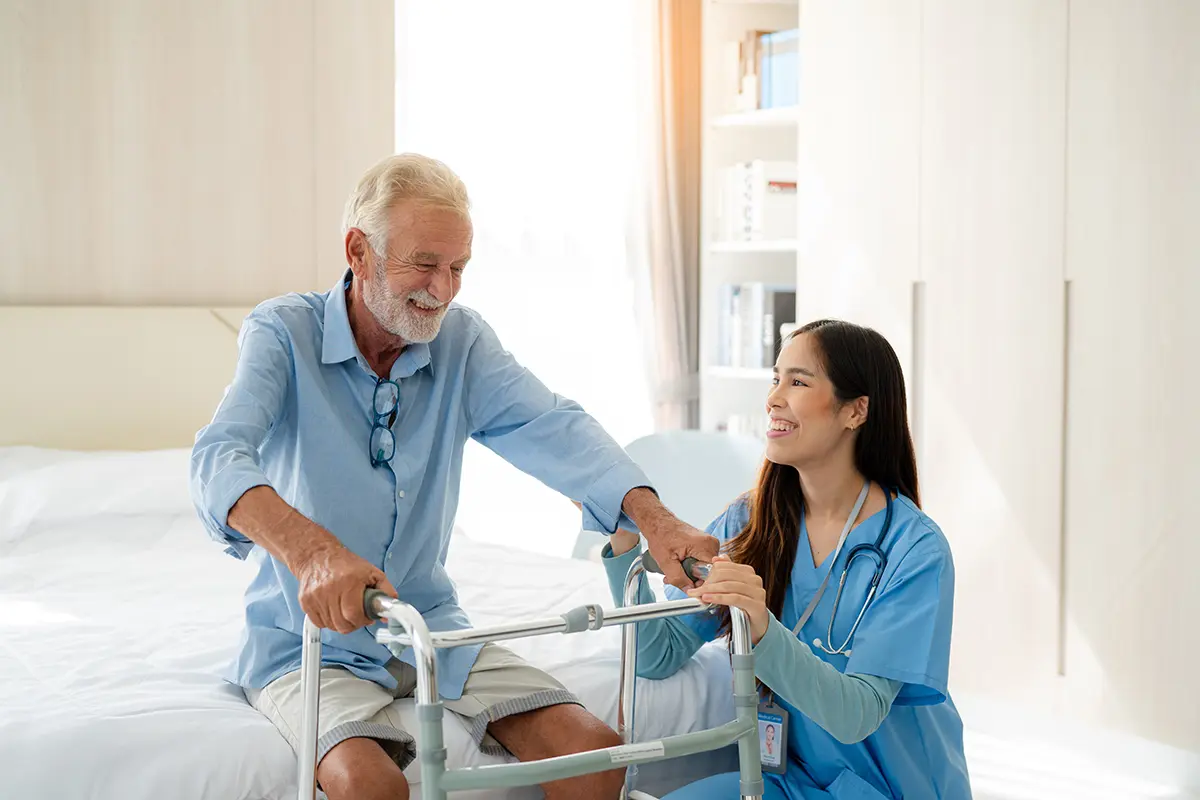
- Accessibility: Install grab bars in bathrooms, use sturdy handrails on stairs, and keep frequently used items within easy reach.
- Emergency Preparedness: Keep emergency contact numbers visible, and consider a personal alert system for immediate assistance.
- Fire Safety: Test smoke detectors regularly and keep fire extinguishers accessible.

Personal Safety and Daily Routines
Beyond physical modifications, daily habits play a vital role in maintaining security. Here are some practical tips:
- Medication Management: Use pill organizers and set reminders to prevent missed or double doses.
- Stay Connected: Regularly check in with family, friends, or neighbors. Consider scheduled calls or visits.
- Exercise Caution with Strangers: Do not open the door to unknown visitors and verify the identity of service providers.
- Maintain Hydration and Nutrition: Prepare balanced meals and drink plenty of water to support overall health.
- Monitor Health Changes: Keep track of any new symptoms or changes in mobility and report them to a healthcare provider.
Technology and Tools for Enhanced Security
Modern technology offers a range of solutions to support independent living. Some valuable tools include:
- Medical Alert Systems: Wearable devices can summon help in case of a fall or emergency.
- Smart Home Devices: Voice-activated assistants, automated lighting, and security cameras can increase convenience and safety.
- Medication Dispensers: Automated dispensers help ensure correct dosages and timing.
- Video Doorbells: Allow residents to see and communicate with visitors without opening the door.
For more strategies on minimizing risks, our independent living risk prevention resource provides actionable advice for safer homes.
Community Resources and Support Networks
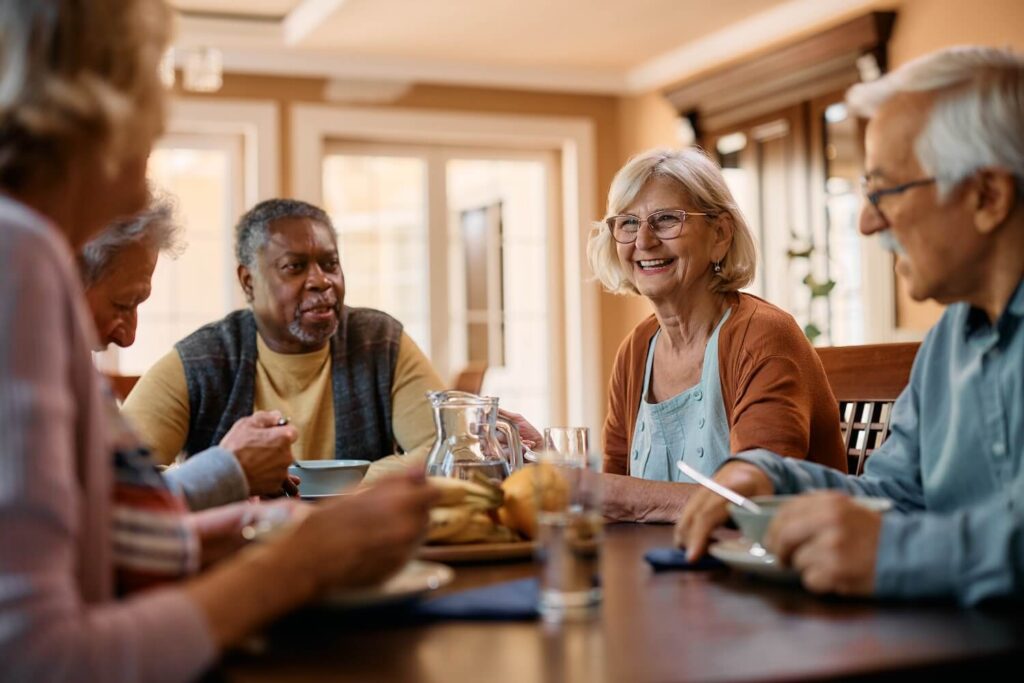
No one should feel isolated while striving for independence. Community programs, local organizations, and support groups can offer valuable assistance. Many areas provide transportation services, meal delivery, and social activities tailored to older adults.
Establishing a reliable network of contacts, including neighbors and nearby family members, ensures help is available when needed. Don’t hesitate to reach out for support or to participate in community events that foster connection and well-being.

Digital Safety and Privacy for Independent Adults
As more daily activities move online, digital safety becomes increasingly important. Protecting personal information, using strong passwords, and being aware of common scams can help prevent identity theft and fraud.
Learn more about balancing privacy and security in our guide on how to balance privacy and safety in digital life.
Additional Tips for a Secure Lifestyle
Incorporating a few extra precautions can make a significant difference. Consider these suggestions:
- Arrange for regular home safety assessments to identify and address new hazards.
- Keep pathways clear of clutter, especially in high-traffic areas.
- Store important documents and valuables in secure, easily accessible locations.
- Review and update emergency plans with family or caregivers periodically.
For more practical advice, our independent living safety tips article provides a checklist for maintaining a secure lifestyle.
Expert Advice and Further Reading
Staying informed is key to ongoing safety. For a broader perspective on how to stay safe at home or in a community, explore this comprehensive guide to senior safety from industry experts.
Frequently Asked Questions
What are the most common hazards for seniors living independently?
The most frequent risks include falls, medication errors, fire hazards, and accidental poisoning. Addressing these through home modifications, medication management, and regular safety checks can greatly reduce incidents.
How can technology help older adults stay safe at home?
Devices such as medical alert systems, smart home assistants, and video doorbells provide immediate access to help, automate daily tasks, and enhance monitoring of the home environment.
What should I do if I notice changes in my health or mobility?
Report any new symptoms or difficulties to a healthcare provider promptly. Early intervention can prevent complications and help maintain independence for longer.