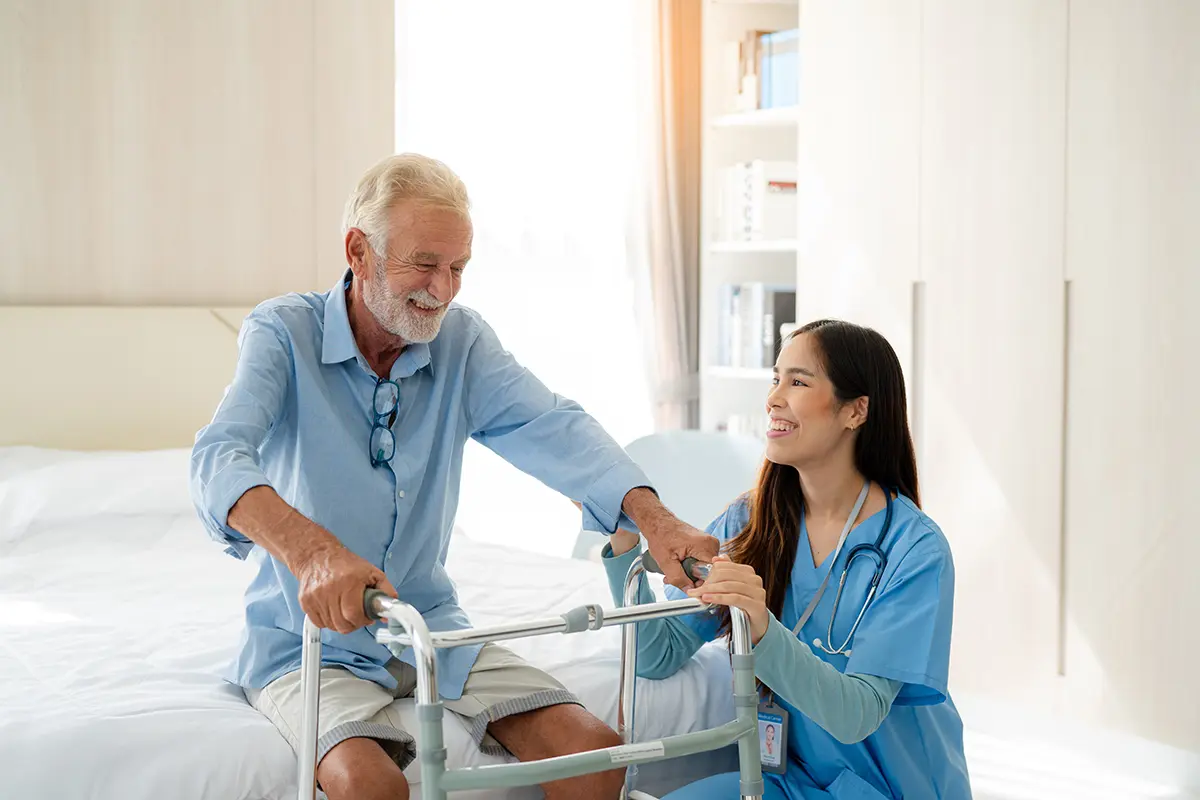

Creating a safe and supportive environment is essential for anyone seeking to maintain autonomy at home, especially older adults or those with mobility challenges. Independent living risk prevention focuses on identifying and addressing potential hazards before they become real threats, allowing individuals to continue living comfortably and securely in their own spaces. This article explores practical steps, tools, and resources that can make homes safer and more accessible, reducing the likelihood of accidents and promoting peace of mind for residents and their families.
Technology also plays a growing role in home safety. For example, understanding how to use smart speakers safely can help prevent privacy breaches and ensure that digital assistants support, rather than compromise, independent living. By combining traditional safety measures with modern solutions, it’s possible to create a living environment that balances freedom with protection.
Understanding Hazards in the Home Environment
The first step in independent living risk prevention is recognizing the most common dangers within the home. Falls, fires, electrical issues, and medication errors are among the leading causes of injury for those living independently. By assessing each room and daily routine, it’s possible to pinpoint where improvements are needed.
- Falls: Slippery floors, loose rugs, and poor lighting are frequent culprits. Bathrooms and stairways are particularly high-risk areas.
- Fire hazards: Unattended stoves, overloaded outlets, and faulty wiring can quickly lead to emergencies.
- Medication mistakes: Confusing pill bottles or missed doses can have serious health consequences.
- Security risks: Unlocked doors or windows, and lack of emergency communication, can leave residents vulnerable.
Conducting a thorough safety audit, or using a comprehensive home safety checklist, is a practical way to start identifying these risks.
Practical Steps for Reducing Everyday Risks
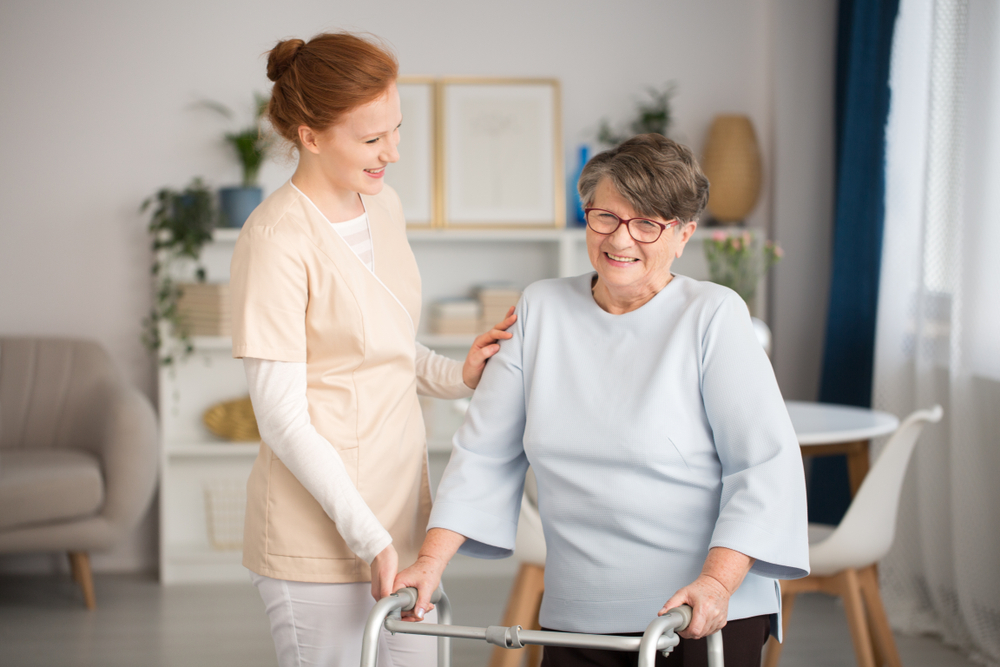
Once hazards have been identified, taking action is crucial. Here are some effective strategies for minimizing risks and supporting safe, independent living:
Fall Prevention Measures
- Install grab bars in bathrooms and near stairs.
- Use non-slip mats in showers and on tile floors.
- Keep walkways clear of clutter and secure loose rugs with double-sided tape.
- Ensure adequate lighting in all rooms, especially hallways and entrances.
- Consider motion-activated night lights for nighttime navigation.
Fire and Electrical Safety
- Test smoke and carbon monoxide detectors monthly and replace batteries regularly.
- Keep fire extinguishers accessible in the kitchen and near bedrooms.
- Never overload electrical outlets or use damaged cords.
- Store flammable items away from heat sources.
- Develop and practice a fire escape plan with all household members.
Medication Management
- Use a pill organizer to keep track of daily medications.
- Set reminders on phones or smart speakers for medication times.
- Store medicines in a consistent, easily accessible location.
- Review medications regularly with a healthcare provider to avoid dangerous interactions.
Leveraging Technology for Enhanced Safety
Modern technology offers new ways to support risk prevention for independent living. Smart home devices, security systems, and health monitoring tools can all contribute to a safer environment.
- Smart sensors: Motion detectors, door/window alarms, and fall detection devices can alert caregivers or emergency services if something goes wrong.
- Voice assistants: Devices like smart speakers can be programmed to call for help, remind users to take medication, or control lighting and appliances hands-free.
- Video doorbells and cameras: These provide added security and allow residents to see who is at the door without getting up or opening it.
- Medical alert systems: Wearable devices can connect users to emergency response teams at the push of a button.
For those interested in digital privacy and safety, learning how to balance privacy and safety in a connected home is an important consideration.
Building a Support Network for Safer Living
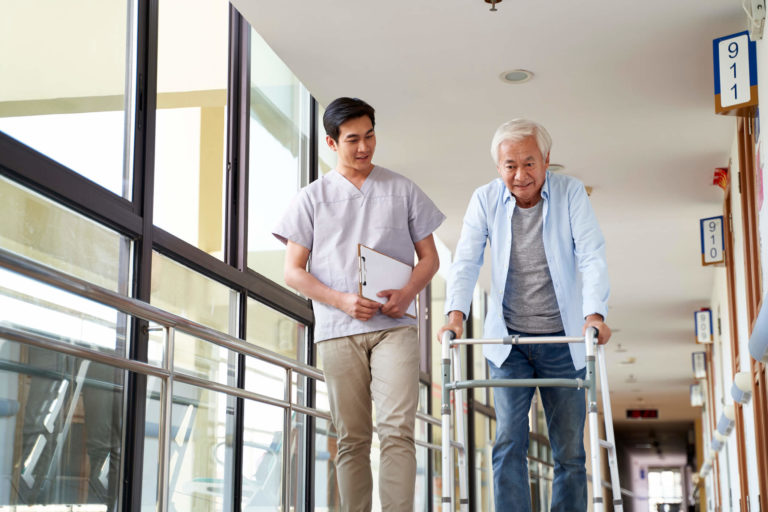
No one should have to manage home safety alone. Involving family, friends, and community resources can make a significant difference in maintaining independence. Regular check-ins, emergency contact lists, and shared calendars help ensure that support is always available when needed.
- Encourage open communication with loved ones about safety concerns.
- Schedule regular home visits or phone calls to check on well-being.
- Join local senior or community groups for additional support and resources.
- Consider professional services for home modifications or personal care if needed.
For families with children or multi-generational households, it’s also helpful to understand how to manage family tech time and create routines that promote both safety and harmony.
Maintaining Safe Habits Over Time
Safety is not a one-time project. Regularly reviewing and updating home safety measures is key to ongoing independent living risk prevention. As needs change, so should the strategies and tools used to support them.
- Reassess the home environment every six months or after any major life change.
- Stay informed about new safety products and technologies.
- Encourage all household members to participate in safety planning and drills.
- Keep emergency numbers and medical information up to date and easily accessible.
FAQ: Home Safety and Risk Reduction for Independent Living
What are the most common risks for people living independently?
The most frequent dangers include falls, fire hazards, medication errors, and security breaches. Addressing these risks with practical measures—like installing grab bars, using smoke detectors, and organizing medications—can significantly reduce the chance of accidents.
How can technology help improve safety at home?
Smart home devices, medical alert systems, and security cameras can all play a role in risk prevention for independent living. These tools provide real-time alerts, automate safety routines, and offer peace of mind for both residents and their families.
Where can I find a checklist to assess my home’s safety?
A reliable independent living home safety checklist is available online and covers essential areas such as fall prevention, fire safety, and emergency preparedness.
How often should I review my home safety measures?
It’s recommended to reassess your home environment at least twice a year or after any significant health or mobility changes. Regular reviews help ensure that safety strategies remain effective and up to date.
By staying proactive and informed, individuals and families can create a home environment that truly supports independent living—minimizing risks and maximizing comfort, confidence, and well-being.