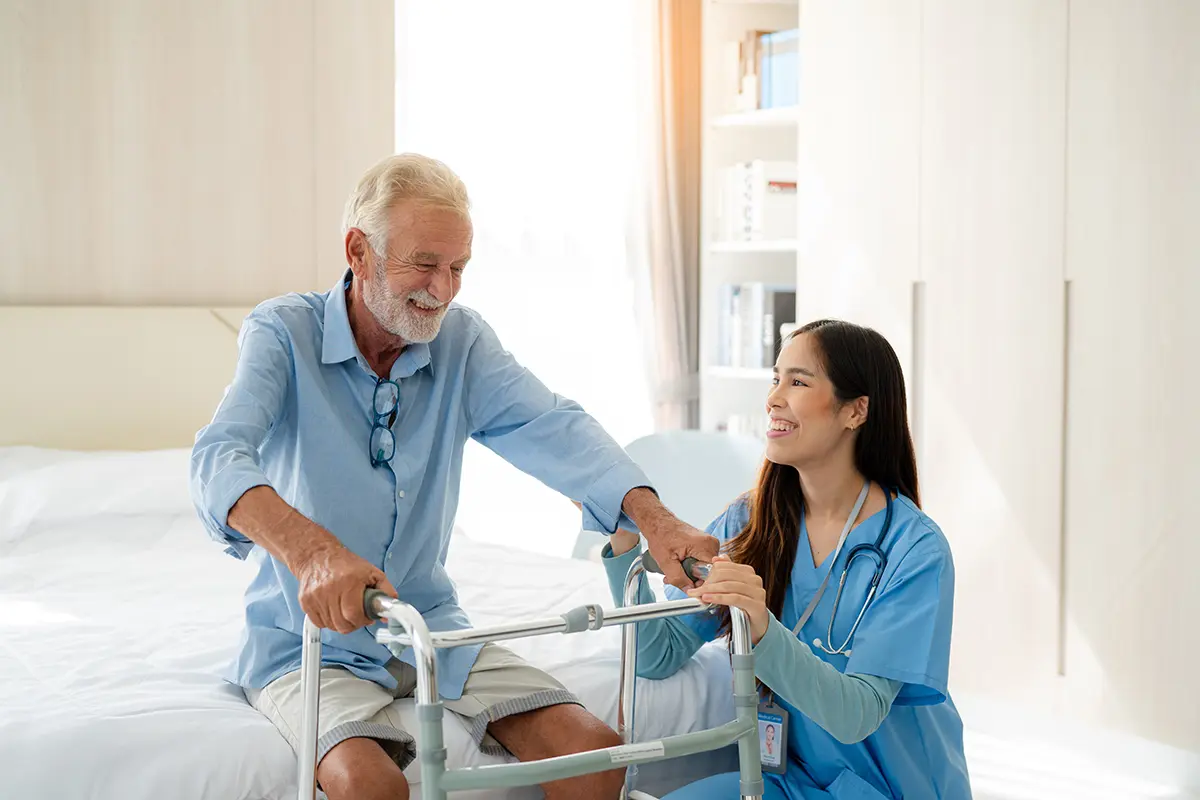

Living independently offers freedom and comfort, but it also comes with the responsibility of maintaining a safe environment. For seniors and individuals choosing to age in place, understanding and addressing potential dangers at home is essential. Independent living hazard awareness is about recognizing risks and taking practical steps to prevent accidents, injuries, and emergencies. By being proactive, you can create a secure and supportive space that encourages confidence and autonomy.
Whether you’re a resident, caregiver, or family member, learning how to identify and minimize hazards can make a significant difference in daily life. This guide explores common threats, prevention strategies, and the importance of regular safety checks. For those interested in digital safety, you may also want to read about how to balance privacy and safety in digital life for a holistic approach to independent living.
Understanding Common Hazards in Independent Living
Recognizing potential dangers is the first step toward a safer home. Many risks are subtle and can be overlooked in daily routines. Here are some of the most frequent hazards found in independent living settings:
- Falls: Slippery floors, loose rugs, and poor lighting are leading causes of falls, especially for older adults.
- Fire Risks: Unattended cooking, overloaded electrical outlets, and faulty appliances can increase the chance of a fire.
- Medication Errors: Confusing medication schedules or improper storage can lead to missed doses or accidental overdoses.
- Security Threats: Unlocked doors, lack of security systems, and unfamiliar visitors may compromise personal safety.
- Bathroom Dangers: Wet surfaces, lack of grab bars, and high tub walls can make bathing risky.

Key Strategies for Home Safety and Risk Reduction
Once you’re aware of the most common dangers, it’s important to implement effective solutions. Here are practical ways to reduce risks and support independent living hazard awareness at home:
- Improve Lighting: Ensure all areas, especially hallways and staircases, are well-lit. Use nightlights in bedrooms and bathrooms.
- Remove Tripping Hazards: Secure loose rugs, clear clutter, and keep pathways free of obstacles.
- Install Safety Devices: Add grab bars in bathrooms, non-slip mats in showers, and handrails on stairs.
- Check Smoke and Carbon Monoxide Detectors: Test alarms regularly and replace batteries as needed.
- Organize Medications: Use pill organizers and set reminders to avoid mistakes.
- Secure Entry Points: Lock doors and windows, and consider a peephole or video doorbell for added security.
- Plan for Emergencies: Keep emergency numbers visible and create an evacuation plan in case of fire or other incidents.
Technology can also play a role in safety. For example, learning how to use smart speakers safely can help with reminders and emergency calls, while maintaining privacy.
Promoting Awareness and Education for Residents and Families
Building a culture of hazard awareness for independent living involves more than just physical changes. Education and ongoing communication are crucial for everyone involved.
- Regular Safety Assessments: Schedule periodic home checks to identify new hazards as needs change.
- Family Involvement: Encourage loved ones to participate in safety reviews and emergency planning.
- Community Resources: Take advantage of workshops, local agencies, or online guides that offer tips on home safety.
- Stay Informed: Keep up with new products and best practices for aging in place and safe independent living.
For a comprehensive overview of independent living, you may find this ultimate guide to independent living helpful. It covers a range of topics from housing options to daily safety tips.

Technology and Smart Solutions for Safer Homes
Modern technology offers many tools that support independent living hazard awareness. Devices and systems can monitor, alert, and assist residents, making daily life both easier and safer.
- Medical Alert Systems: Wearable devices can call for help at the press of a button in case of a fall or emergency.
- Smart Home Devices: Automated lights, locks, and thermostats can be controlled remotely or by voice command, reducing the need for physical effort and minimizing risks.
- Security Cameras: Indoor and outdoor cameras provide peace of mind and deter unwanted visitors.
- Health Monitoring: Devices that track vital signs or medication intake can alert caregivers to potential problems.
While adopting new technology, it’s important to consider privacy and security. For tips on protecting your home from digital threats, explore advice on how to prevent camera spying in smart homes.
Maintaining Independence Through Ongoing Hazard Prevention
Staying independent is easier when you make safety a regular part of your routine. Here are some ongoing practices to help keep your living environment secure:
- Update Safety Plans: Review and revise your emergency plans as your needs or health change.
- Stay Active and Informed: Participate in community programs or workshops focused on home safety and wellness.
- Encourage Open Communication: Talk with family, friends, or caregivers about any concerns or changes in your home environment.
- Monitor for New Hazards: As technology and household items evolve, reassess for new risks and solutions.
By making independent living hazard awareness an ongoing priority, you can enjoy greater peace of mind and preserve your autonomy for years to come.
Frequently Asked Questions
What are the most common hazards in independent living environments?
The most frequent dangers include falls due to slippery floors or poor lighting, fire risks from unattended appliances, medication errors, and security threats like unlocked doors. Regular assessments help identify and address these issues.
How can technology help improve safety for independent living?
Technology such as medical alert systems, smart home devices, and security cameras can monitor for emergencies, automate daily tasks, and provide alerts. These solutions support safety while allowing residents to maintain their independence.
What steps can families take to support hazard awareness for loved ones living independently?
Families can participate in safety checks, help organize medications, encourage the use of safety devices, and stay informed about best practices. Open communication and regular visits also play a key role in maintaining a safe environment.