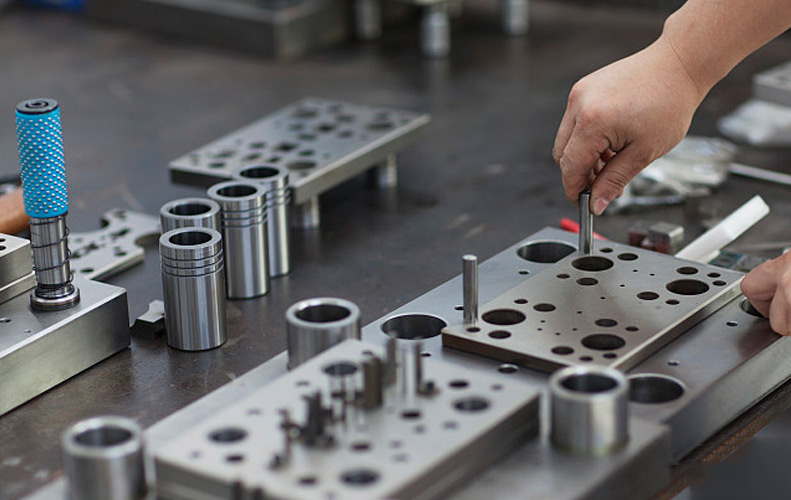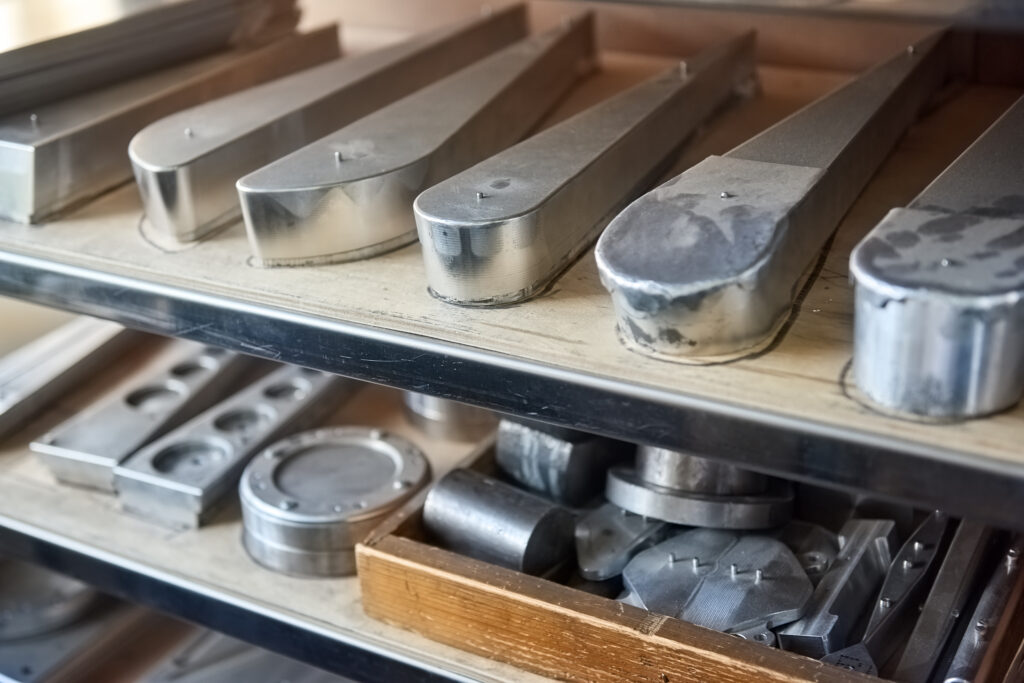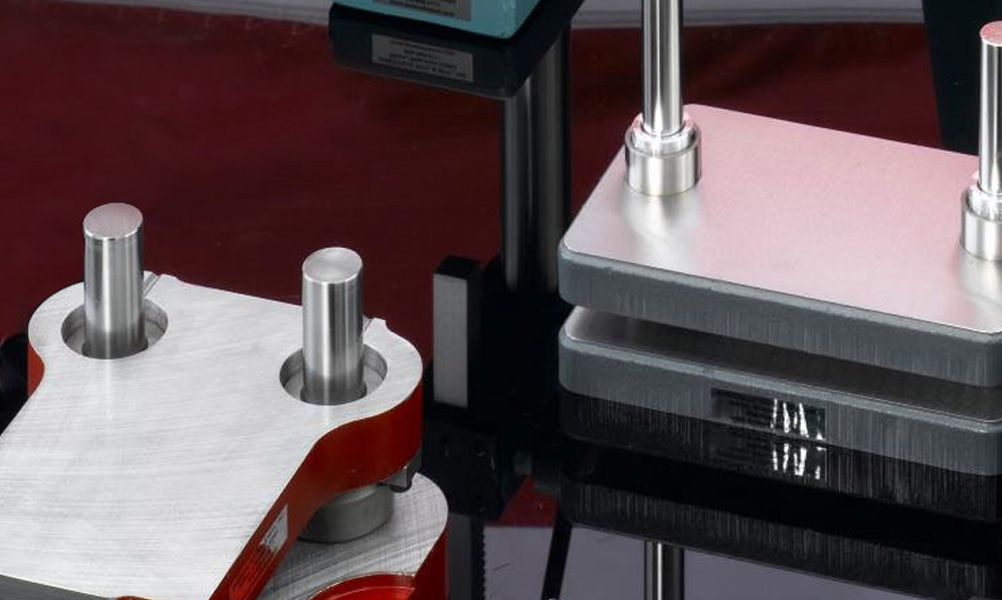
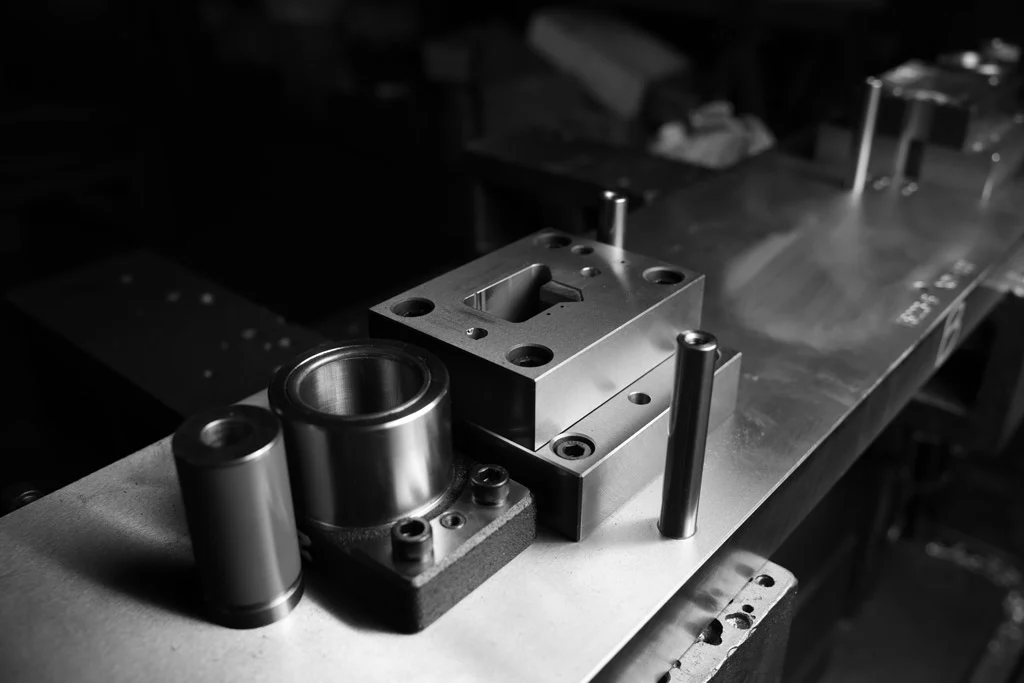
In the world of metal fabrication, tool wear is a persistent challenge, especially when working with heavy gauge steel. The high forces and abrasive conditions involved in these projects can quickly degrade stamping dies, leading to increased downtime, higher costs, and inconsistent part quality. Understanding how to reduce tool wear in heavy gauge stamping is essential for manufacturers aiming to maximize productivity and extend tool life.
This article explores proven methods for minimizing tool deterioration, from material selection and lubrication to die design and maintenance routines. Whether you’re managing a high-volume production line or overseeing custom fabrication, applying these strategies can help you achieve more consistent results and reduce operational expenses. For those interested in related best practices, you may also want to review how to handle coil stock for stamping to further optimize your processes.
Key Factors Affecting Tool Longevity in Heavy Gauge Stamping
Several variables contribute to the rate at which stamping tools wear out. By understanding these factors, manufacturers can make informed decisions to extend tool life and maintain part quality.
- Material Hardness: Heavy gauge steel is inherently tough and abrasive, which accelerates die wear compared to lighter materials.
- Die Material and Treatment: The choice of die steel, along with surface treatments such as nitriding or coating, plays a significant role in resisting wear.
- Lubrication: Proper lubrication reduces friction and heat, both of which are major contributors to tool degradation.
- Stamping Speed and Force: Higher speeds and forces increase the stress on tooling, leading to more rapid wear if not properly managed.
- Part Geometry: Complex shapes and tight tolerances can create localized stress points, increasing the risk of premature tool failure.
Material Selection and Surface Treatments to Minimize Wear
Choosing the right materials for both the workpiece and the die is foundational in how to reduce tool wear in heavy gauge stamping. Tool steels such as D2, M2, and carbide are popular for their hardness and resistance to abrasion. However, even the best die steel can benefit from additional surface treatments.
- Coatings: Applying coatings like titanium nitride (TiN), titanium carbonitride (TiCN), or diamond-like carbon (DLC) can significantly enhance surface hardness and reduce friction.
- Nitriding: This heat treatment process diffuses nitrogen into the surface, creating a hard, wear-resistant layer without affecting the core toughness of the die.
- Carbide Inserts: For extremely abrasive applications, carbide-tipped dies offer superior longevity, though at a higher upfront cost.
Optimizing Lubrication and Cooling for Heavy Gauge Operations
Effective lubrication is one of the most practical ways to reduce friction and dissipate heat during stamping. Inadequate lubrication can cause galling, scoring, and rapid tool breakdown.
- Lubricant Selection: Use high-performance lubricants specifically formulated for heavy gauge steel. These often contain additives to improve film strength and reduce metal-to-metal contact.
- Application Methods: Ensure consistent and adequate application, whether by spray, roller, or flood systems, to cover all contact surfaces.
- Cooling Strategies: Integrating cooling channels or external cooling systems can help maintain optimal die temperatures, further reducing wear. For more on this, see steel stamping thermal management strategies.
Die Design and Maintenance Practices for Extended Tool Life
Thoughtful die design and regular maintenance are critical in reducing tool wear when working with thick steel stock. Here are some best practices:
- Generous Radii: Incorporate larger radii on cutting and forming edges to distribute stress and minimize chipping.
- Proper Alignment: Ensure dies are precisely aligned to avoid uneven loading and premature wear.
- Replaceable Inserts: Using modular die components allows for quick replacement of worn sections without rebuilding the entire tool.
- Scheduled Inspections: Regularly inspect dies for signs of wear, cracks, or galling. Early detection can prevent catastrophic failures and unplanned downtime.
- Sharpening and Polishing: Maintain sharp cutting edges and smooth surfaces to reduce friction and improve part quality. For more on maintaining part quality, see how to inspect stamped steel parts for quality.
Process Optimization: Balancing Speed, Force, and Quality
The operational parameters of your stamping process have a direct impact on tool longevity. While higher speeds and forces can boost throughput, they also increase wear if not properly managed.
- Adjust Press Settings: Use the minimum force necessary to achieve clean cuts and forms. Excessive force accelerates tool degradation.
- Control Stroke Speed: Slower speeds may be necessary for very thick or hard materials to reduce impact and heat generation.
- Monitor Part Quality: Regularly check for burrs, cracks, or dimensional inaccuracies, which can indicate tool wear. For tips on minimizing burrs, refer to how to minimize burrs in stamped parts.
Training, Safety, and Shop Culture for Sustainable Results
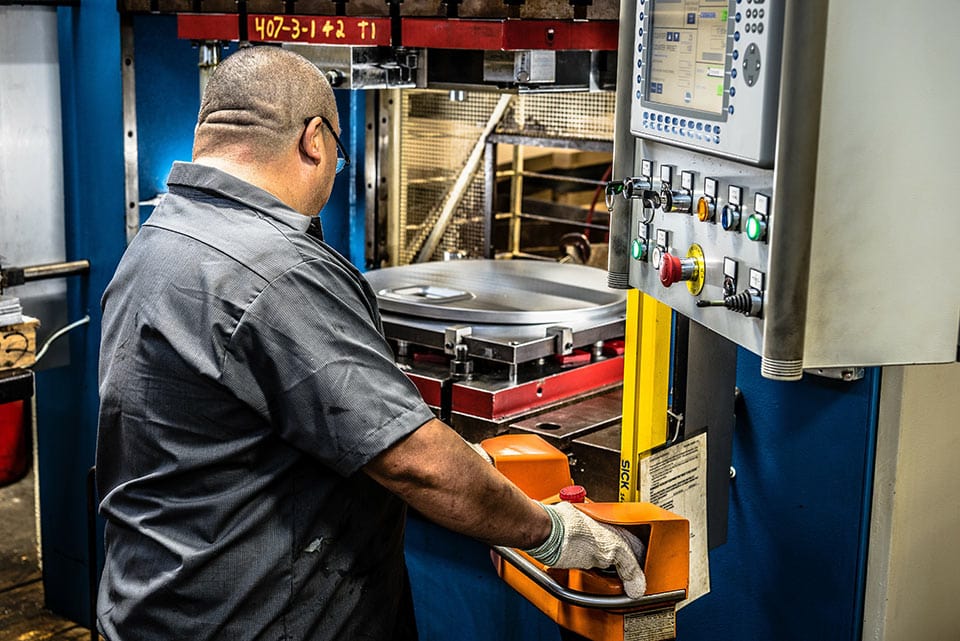
Even the best equipment and materials can fall short if operators are not properly trained. Fostering a culture of safety and continuous improvement helps ensure that best practices are consistently applied. For a deeper dive into safe and efficient shop practices, see this guide to safe practices in precision metal stamping.
- Operator Training: Educate staff on correct die setup, lubrication, and inspection routines.
- Documentation: Maintain clear records of tool usage, maintenance, and failures to identify patterns and areas for improvement.
- Continuous Improvement: Encourage feedback from operators and invest in ongoing training to keep up with new technologies and techniques.
FAQ: Tool Wear and Heavy Gauge Steel Stamping
What are the most common causes of tool wear in heavy gauge stamping?
The main contributors include abrasive wear from hard steel, inadequate lubrication, excessive stamping force, poor die alignment, and lack of regular maintenance. Addressing these factors helps extend tool life and maintain part quality.
How often should dies be inspected or serviced in heavy gauge operations?
Inspection frequency depends on production volume and material hardness, but as a rule, dies should be checked after every production run or shift. Early detection of wear or damage prevents unexpected breakdowns and costly downtime.
Can tool coatings really make a difference in reducing wear?
Yes, modern coatings such as TiN, TiCN, and DLC provide a hard, low-friction surface that significantly reduces wear and galling, especially in demanding heavy gauge applications. They are a cost-effective way to extend tool life.
Is it possible to balance high production speed with tool longevity?
It is possible, but it requires careful adjustment of press settings, effective lubrication, and regular tool maintenance. Monitoring part quality and tool condition helps find the optimal balance between speed and tool life.
Conclusion
Managing tool wear in heavy gauge steel stamping is a multifaceted challenge, but with the right combination of material choices, lubrication, die design, process optimization, and operator training, significant improvements are achievable. By implementing these strategies, manufacturers can reduce downtime, control costs, and deliver consistent, high-quality parts. For additional insights on maximizing efficiency, consider exploring best practices for high-volume steel stamping.