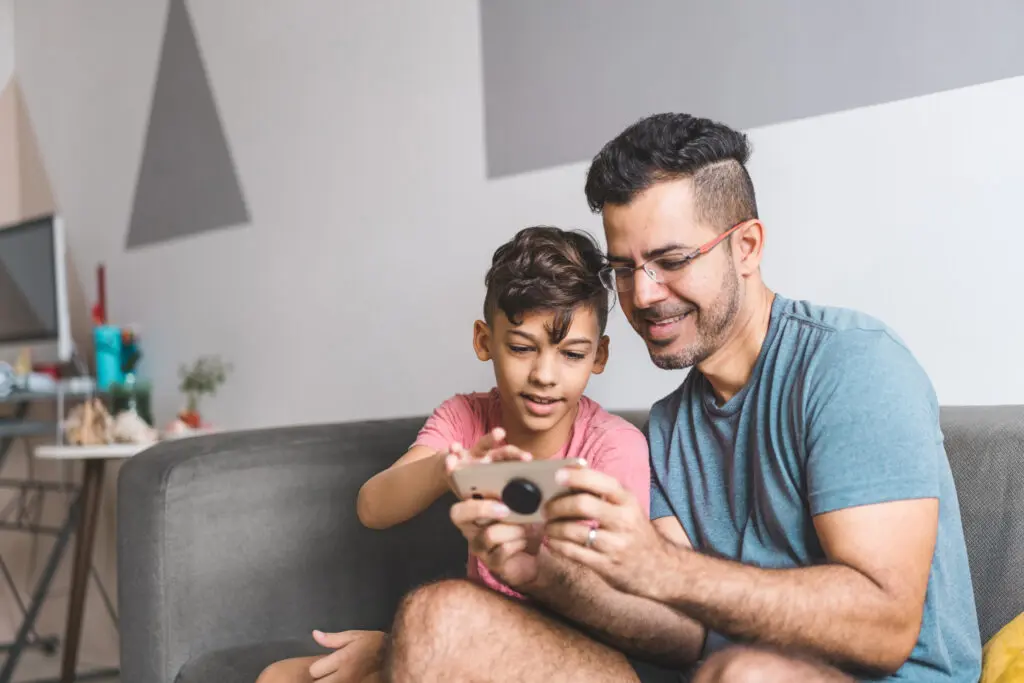
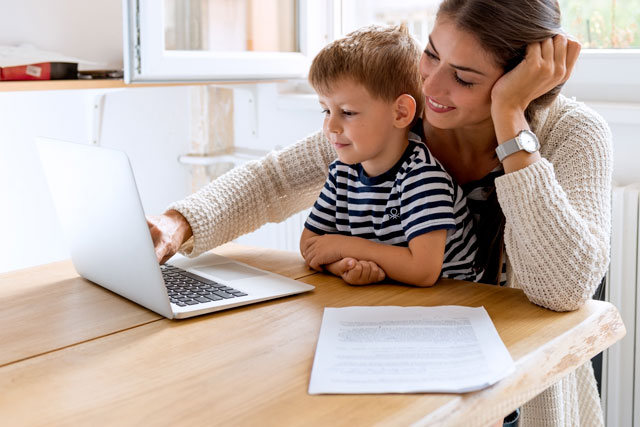
Social networks are a central part of modern life, connecting people of all ages and backgrounds. With this connectivity comes the need for safe monitoring of social media activity, whether you’re a parent looking out for your child’s well-being, a caregiver supporting an older adult, or simply someone concerned about your own digital footprint. Understanding the best practices and tools for keeping online interactions secure is essential for protecting privacy and maintaining peace of mind.
This guide explores practical steps and effective strategies for overseeing social media use without compromising trust or safety. We’ll discuss the importance of transparency, the role of technology, and how to balance oversight with respect for personal boundaries. If you’re interested in related topics, you might also find value in learning how technology supports elderly safety and independence.
Why Safe Social Media Oversight Matters
The digital landscape is constantly evolving, bringing new opportunities and risks. For families, caregivers, and individuals, monitoring online activity securely helps prevent exposure to inappropriate content, cyberbullying, scams, and privacy breaches. It’s not about spying—it’s about creating a safer online environment and encouraging responsible use.
Open communication is the foundation of effective oversight. Discussing expectations and boundaries with those you support—whether children, teens, or older adults—builds trust and ensures everyone understands the reasons behind monitoring.
Key Principles for Safe Social Media Monitoring
To monitor social media safely, it’s important to follow a set of guiding principles:
- Transparency: Always inform the person whose activity you are overseeing. Secret monitoring can damage trust and relationships.
- Consent: For adults, especially seniors, obtain clear permission before setting up any monitoring tools.
- Respect: Balance safety with privacy. Avoid invasive tactics and focus on open dialogue.
- Education: Teach safe online habits, such as recognizing scams, using strong passwords, and adjusting privacy settings.
- Appropriate Tools: Use reputable apps and settings designed for safe oversight, not for covert surveillance.
Choosing the Right Tools for Secure Oversight
There are many technologies available to help you keep track of digital activity in a secure and ethical way. Parental control apps, privacy settings, and device management features can all play a role. When selecting a tool, consider the age and needs of the person you’re supporting, as well as your own comfort level with technology.

Popular Options for Safe Monitoring
- Parental Control Apps: Tools like Qustodio, Bark, and Net Nanny allow you to set time limits, filter content, and receive alerts about concerning activity.
- Built-in Device Settings: Both iOS and Android offer family sharing and screen time controls to help manage app usage and privacy.
- Social Platform Features: Many networks, such as Facebook and Instagram, have privacy settings and activity reports that can be adjusted for safer use.
For older adults, wearable devices and smart home technology can provide additional layers of safety. If you’re interested in how these devices support well-being, you can explore how medical alert devices work to protect seniors.
Practical Steps for Monitoring Social Media Responsibly
Implementing safe oversight involves more than just installing an app. Here are some actionable steps:
- Start the Conversation: Explain why you want to monitor activity and discuss what will be observed. For children, emphasize safety; for adults, focus on mutual agreement.
- Set Clear Guidelines: Agree on which platforms, accounts, or activities will be monitored. Define what types of content or interactions are concerning.
- Adjust Privacy Settings: Walk through each social platform’s privacy controls together. Help set profiles to private, limit friend requests, and block unknown contacts.
- Review Activity Regularly: Schedule periodic check-ins rather than constant surveillance. This approach respects autonomy while staying informed.
- Encourage Reporting: Make it easy for the person you’re supporting to share concerns or report suspicious activity.
Balancing Safety and Independence
Finding the right balance between oversight and independence is crucial. Overly strict monitoring can lead to secrecy or resentment, while too little can leave individuals vulnerable. The goal is to empower safe, confident use of social media while providing a safety net when needed.
For families with older adults, consider integrating smart home devices and emergency response systems. These tools can offer peace of mind without intruding on daily life. For more on this topic, see how smart sensors detect falls and emergencies.

Integrating Technology for Family Safety
Smart devices and apps can be powerful allies in maintaining a secure digital environment. From wearables that track location to doorbells with video monitoring, technology offers many ways to stay connected and informed. For families interested in a holistic approach, family emergency apps explained for quick response can be a valuable resource.
When introducing new technology, involve everyone in the setup process. Demonstrate how devices work, what data is collected, and how privacy is protected. This collaborative approach helps build confidence and ensures everyone understands the purpose behind each tool.
Smart and Safe Ways to Use AI at Home
Artificial intelligence is increasingly present in family life, from voice assistants to content filtering. To learn more about integrating these technologies responsibly, consider reading this guide to smart and safe ways to integrate AI technology into family life. It offers practical tips for maximizing benefits while minimizing risks.
Frequently Asked Questions
What are the best practices for overseeing social media use without invading privacy?
The most effective approach is to be transparent and involve the person whose activity is being monitored. Set clear boundaries, use reputable monitoring tools, and focus on education rather than surveillance. Regular conversations about online safety help build trust and encourage responsible behavior.
How can parents or caregivers recognize signs of unsafe online behavior?
Warning signs can include sudden changes in mood, reluctance to discuss online activities, secretive device use, or receiving messages from unknown contacts. Encourage open dialogue and review activity together. If you notice concerning behavior, address it calmly and supportively.
Are there legal or ethical concerns with monitoring someone’s social media?
Yes, especially when monitoring adults. Always obtain consent and respect privacy laws in your region. For children, parental oversight is generally accepted, but it’s still important to be open about what is being monitored and why. Avoid using invasive tools or accessing private messages without permission.
Conclusion
Overseeing digital activity in a secure and respectful way is a vital part of modern life. By focusing on transparency, using the right tools, and maintaining open communication, you can help protect loved ones and foster healthy online habits. The strategies outlined here provide a balanced approach to how to monitor social media safely, ensuring both safety and independence for everyone involved.