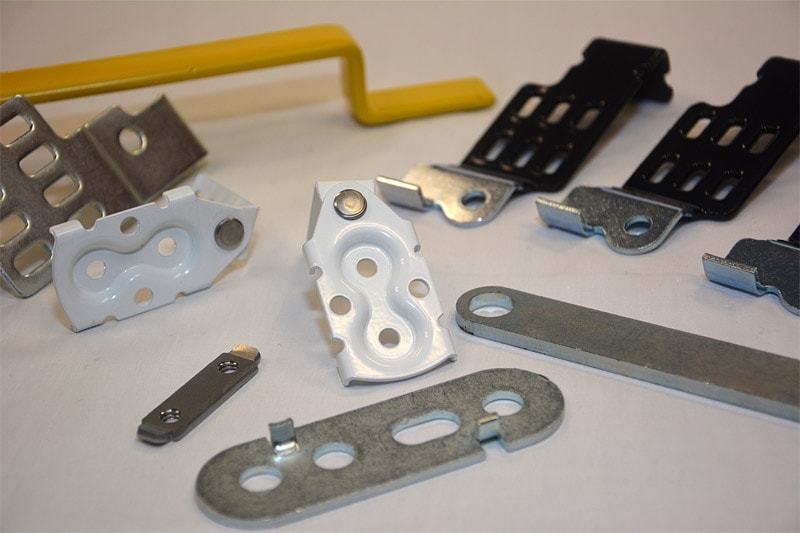
Achieving clean, burr-free edges is a top priority in metal stamping. Burrs—those unwanted, sharp projections left after cutting or forming—can compromise part performance, create safety hazards, and increase post-processing costs. For manufacturers and engineers, understanding how to minimize burrs in stamped parts is essential for delivering high-quality components while keeping production efficient and cost-effective.
This article explores the most effective strategies for improving edge quality in stamped metal parts. You’ll find practical advice on die design, material selection, process parameters, and maintenance routines that help reduce burr formation. For those looking to optimize their entire stamping process, reviewing steel stamping design for manufacturing tips can provide additional insights into defect prevention and robust part design.
Understanding Burr Formation in Metal Stamping
Burrs typically form during the shearing or cutting phase of the stamping process. When the punch and die interact with the workpiece, imperfect alignment, worn tooling, or unsuitable clearances can cause the material to tear rather than shear cleanly. The result is a raised edge or sliver of metal that must be removed or managed.
The presence of burrs is not just a cosmetic issue. Excessive burrs can:
- Interfere with part assembly and fit
- Increase the risk of injury during handling
- Lead to premature wear of mating components
- Require additional deburring operations, raising costs
By understanding the root causes of burrs, manufacturers can implement targeted improvements to minimize their occurrence and improve overall edge quality.
Die Design and Tooling: The Foundation for Burr Reduction
The design and condition of stamping dies play a critical role in controlling burr formation. Here are several key factors to consider:
- Die Clearance: The gap between the punch and die should be optimized for the material type and thickness. Too little clearance can cause excessive wear and tearing, while too much can result in large burrs. As a rule of thumb, clearances are typically set between 5% and 10% of the material thickness for most steels.
- Sharpness of Cutting Edges: Dull or chipped tooling increases the likelihood of burrs. Regular inspection and regrinding of punches and dies help maintain sharp, effective cutting surfaces.
- Die Alignment: Misalignment between the punch and die can cause uneven shearing and irregular burrs. Precision setup and periodic checks are essential for consistent results.
- Tool Material and Coatings: Using wear-resistant tool steels and applying surface treatments or coatings can extend tool life and maintain edge sharpness, reducing burr formation over time.
For a deeper dive into maintaining your dies for optimal performance, the steel stamping die maintenance guide offers step-by-step instructions on inspection, cleaning, and repair.
Process Parameters That Influence Edge Quality
Beyond tooling, several process variables can impact the amount and severity of burrs in stamped components. Adjusting these parameters can lead to significant improvements:
- Press Speed: Higher press speeds may increase heat and material deformation, leading to more pronounced burrs. Slower, controlled strokes often produce cleaner cuts, especially in thicker or harder materials.
- Lubrication: Proper lubrication reduces friction and heat, allowing for smoother shearing and less tearing at the edges. Select lubricants compatible with both the material and the stamping process.
- Material Feed and Support: Ensuring the workpiece is properly supported and fed into the die prevents shifting or vibration that could cause uneven edges.
Monitoring and fine-tuning these parameters during production helps maintain consistent edge quality and minimize the need for secondary operations.
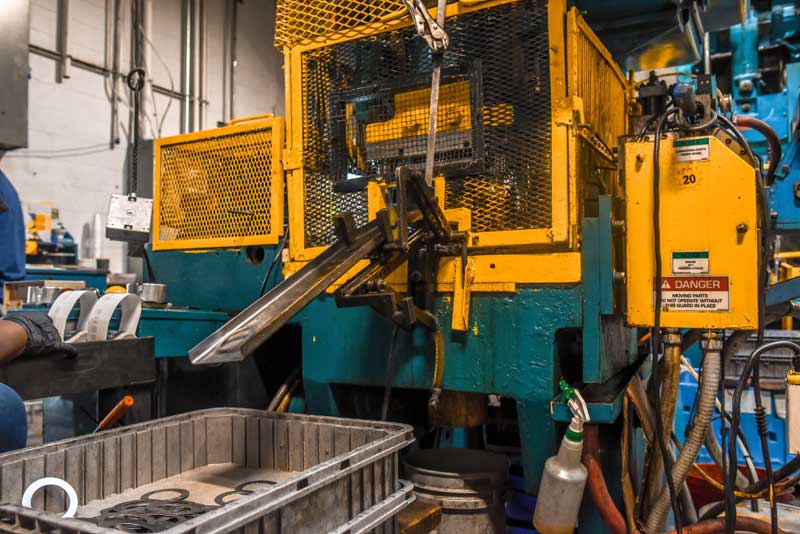
Material Selection and Preparation for Burr-Free Stamping
The type and condition of the raw material have a direct impact on edge quality. Here’s how to make informed choices:
- Material Hardness: Harder metals tend to shear more cleanly, while softer or ductile materials may tear, increasing burr formation. Select materials with properties suited to your application and stamping process.
- Surface Condition: Scaled, dirty, or uneven surfaces can disrupt the shearing action. Cleaning and flattening the material before stamping helps ensure uniform results.
- Consistent Thickness: Variations in sheet thickness can affect die clearance and shearing force, leading to inconsistent burrs. Source materials with tight thickness tolerances for best results.
For more on material considerations and process optimization, see the common defects in steel stamping and how to fix them guide.
Maintenance Routines to Prevent Burrs
Even the best-designed dies and well-chosen materials can’t compensate for neglected maintenance. Regular upkeep is vital for minimizing burrs and ensuring long-term process stability.
- Scheduled Inspections: Check dies and punches for wear, chipping, or misalignment at set intervals. Early detection prevents excessive burrs and costly downtime.
- Cleaning: Remove debris, lubricants, and residue from tooling and work surfaces to maintain sharpness and alignment.
- Regrinding and Polishing: Restore cutting edges as needed to keep shearing action crisp and effective.
- Documentation: Maintain records of tool life, maintenance actions, and burr-related issues to identify trends and plan proactive interventions.
For a comprehensive approach to tool care, the die maintenance guide offers expert advice on extending die life and reducing defects.

Post-Stamping Techniques for Burr Control
While prevention is the best strategy, some level of burr may be unavoidable in high-volume or complex stamping operations. In these cases, secondary processes can help achieve the desired edge quality:
- Deburring: Mechanical, thermal, or chemical deburring methods can remove residual burrs. Choose the technique based on part geometry, material, and production volume.
- Edge Rounding: Specialized tooling or abrasive methods can smooth sharp edges, improving safety and assembly performance.
- Quality Inspection: Implement in-line or post-process inspection systems to detect and address burrs before parts move to the next stage.
Integrating these steps into your workflow ensures that even challenging parts meet edge quality requirements.
Best Practices for Consistently Clean Edges
To summarize, here are the most effective practices for reducing burrs in stamped components:
- Optimize die clearance and maintain sharp tooling
- Use appropriate press speeds and lubrication
- Select and prepare materials carefully
- Implement regular maintenance and inspection routines
- Apply post-stamping finishing as needed
By following these guidelines, manufacturers can achieve higher quality, reduce rework, and improve overall process efficiency. For a broader overview of the stamping process, what is steel stamping process provides a comprehensive introduction to methods and terminology.
Frequently Asked Questions
What causes burrs to form during metal stamping?
Burrs are typically caused by improper die clearance, dull or worn tooling, misalignment, or unsuitable material properties. Adjusting these factors can significantly reduce burr formation.
How can I check if my die clearance is correct?
Die clearance should be set based on the material type and thickness, usually between 5% and 10% of the material thickness. Regularly inspect stamped parts for edge quality and consult manufacturer guidelines to fine-tune clearances.
Are there automated solutions for deburring stamped parts?
Yes, several automated deburring systems are available, including mechanical tumblers, brush deburring machines, and laser or thermal deburring equipment. The best choice depends on part geometry, material, and production volume.
Where can I find more information on preventing stamping defects?
For additional resources on defect prevention and process optimization, see the common defects in steel stamping and how to fix them article.