As our loved ones age, ensuring their safety becomes a top priority. Understanding how to make home safe for aging parents is crucial to providing them with a comfortable and secure environment. In this guide, we will explore various strategies and practical tips to create a safe haven for your aging parents.
Understanding the Importance of Home Safety
Home safety is paramount for aging parents as they become more vulnerable to accidents and injuries. A safe home environment helps prevent falls, accidents, and other potential hazards, allowing your parents to maintain their independence and quality of life. By implementing the right measures, you can significantly reduce the risk of injury and provide peace of mind for both you and your parents.
Identifying Common Hazards in the Home
Before making any changes, it’s essential to identify common hazards in the home. These hazards can include slippery floors, uneven surfaces, poor lighting, and cluttered spaces. By recognizing these potential dangers, you can take proactive steps to mitigate them and create a safer living environment for your aging parents.
Slippery Floors and Surfaces
Slippery floors are a significant risk factor for falls. Ensure that all floors are dry and have non-slip surfaces. Consider placing non-slip mats in areas prone to moisture, such as bathrooms and kitchens.
Poor Lighting
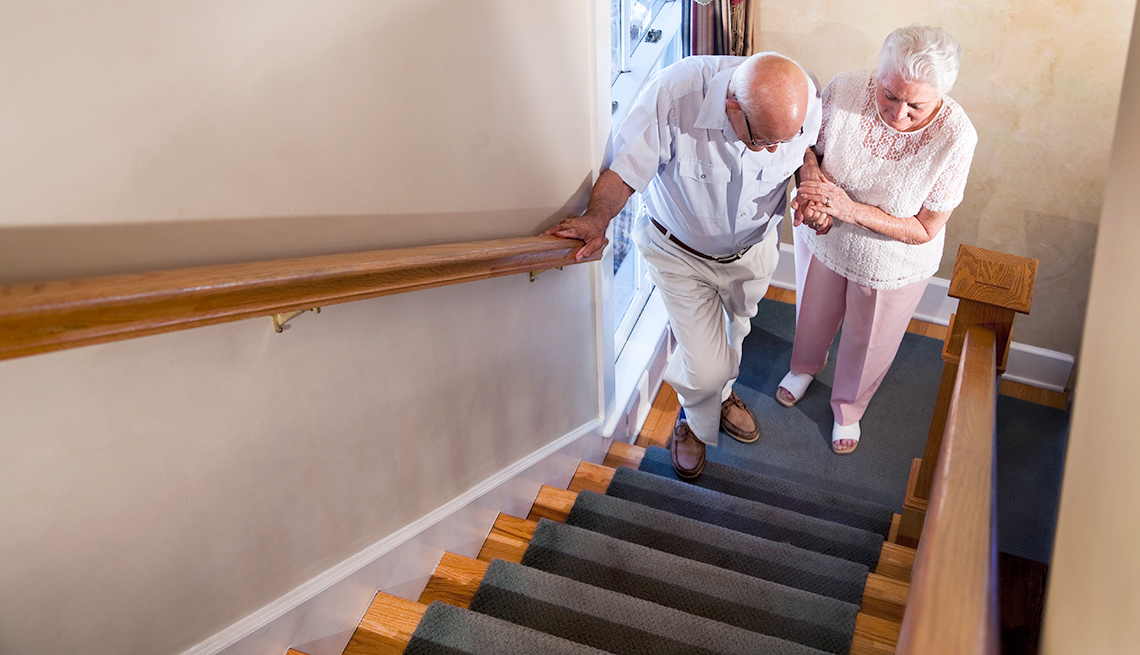
Adequate lighting is crucial for preventing accidents. Ensure that all areas of the home are well-lit, especially staircases, hallways, and entryways. Installing motion-sensor lights can be an effective way to improve visibility.
Cluttered Spaces
Clutter can obstruct pathways and increase the risk of falls. Encourage your parents to keep their living spaces tidy and remove unnecessary items to create clear pathways.
Making Essential Home Modifications
Once you’ve identified potential hazards, it’s time to make necessary modifications to improve safety. Here are some key changes you can implement:
Bathroom Safety Enhancements
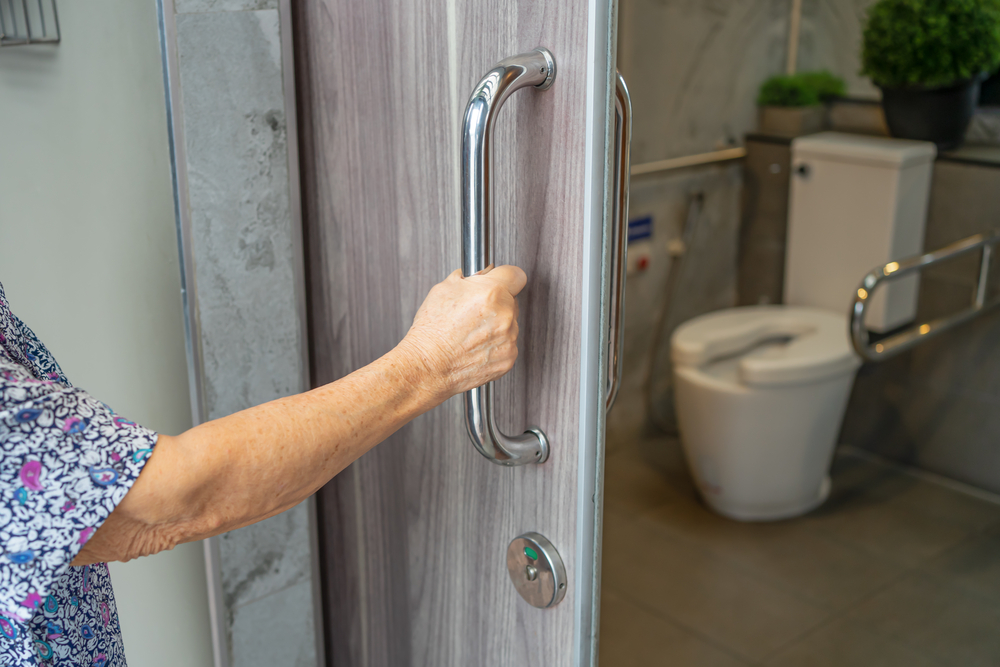
The bathroom is a common site for accidents. Install grab bars near the toilet and in the shower to provide support. Consider using a shower chair and a handheld showerhead for added safety and convenience.
Kitchen Safety Measures
Ensure that frequently used items are within easy reach to prevent your parents from stretching or climbing. Consider using appliances with automatic shut-off features to prevent fires.
Bedroom Safety Improvements
Ensure that the bedroom is easily accessible and free of obstacles. Consider using a bed rail to provide support when getting in and out of bed.
Leveraging Technology for Enhanced Safety
Technology can play a significant role in enhancing home safety for aging parents. Devices such as personal emergency response systems, smart home devices, and monitoring systems can provide added security and peace of mind.
Personal Emergency Response Systems
These systems allow your parents to call for help in case of an emergency with the push of a button. They can be worn as pendants or bracelets for easy access.
Smart Home Devices
Smart home devices, such as voice-activated assistants, can help your parents control lights, appliances, and security systems with ease. For more information on smart home devices, visit Alexa for Elderly Safety.
Home Monitoring Systems
Home monitoring systems provide real-time alerts and video footage, allowing you to keep an eye on your parents even when you’re not there. Consider systems that offer motion detection and fall alerts.
Creating a Supportive Community
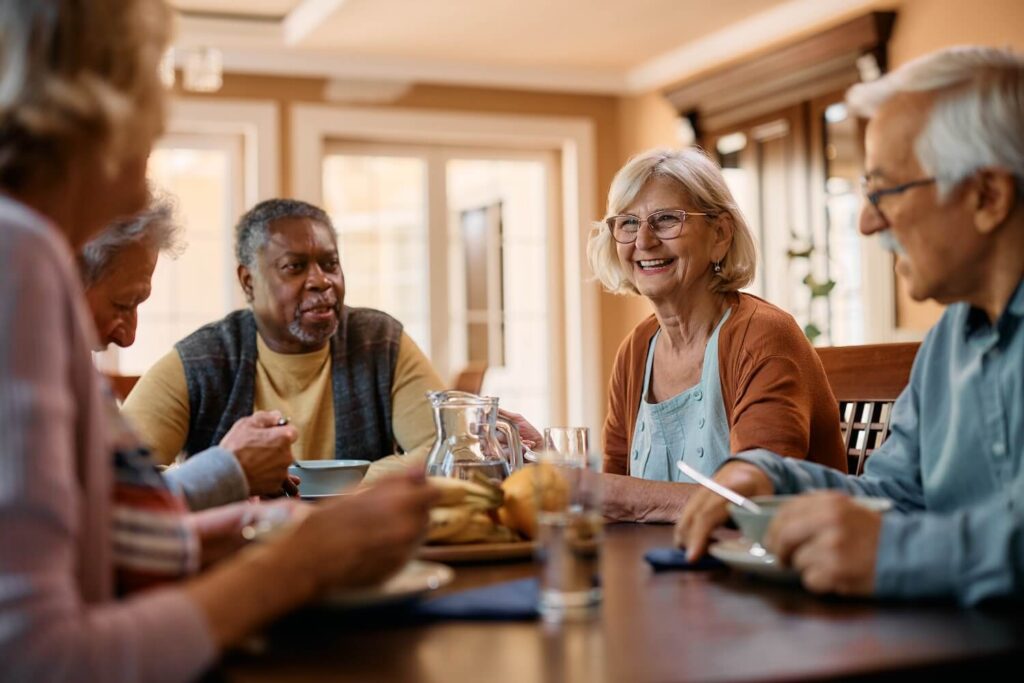
Building a supportive community is essential for the well-being of your aging parents. Encourage regular social interactions with friends and family to keep them engaged and active. Consider organizing community events or joining local senior groups to foster connections.
Educating Your Parents on Safety Practices
Empower your parents by educating them on safety practices. Teach them how to use safety devices and technology and encourage them to stay informed about potential hazards. Regularly review safety protocols and update them as needed.
Maintaining Regular Health Check-Ups
Regular health check-ups are essential for monitoring your parents’ overall well-being. Ensure they attend medical appointments and follow doctors’ recommendations to address any health concerns promptly.
Preparing for Emergencies
Being prepared for emergencies is crucial. Ensure that your parents have an emergency plan in place and know what to do in case of a fire, medical emergency, or natural disaster. Keep a list of emergency contacts readily available.
Ensuring Nutritional Safety
Proper nutrition is vital for your parents’ health and safety. Ensure they have access to healthy meals and understand the importance of a balanced diet. For more information on meal safety, visit Meal Safety for Elderly.
Addressing Mobility Challenges
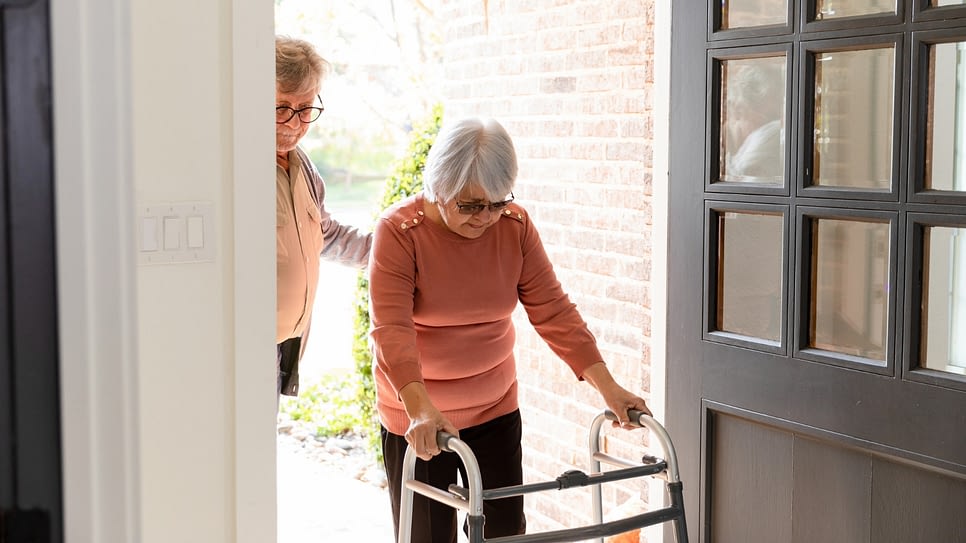
Mobility challenges can increase the risk of falls and accidents. Consider physical therapy or exercises that improve strength and balance. Additionally, mobility aids such as canes and walkers can provide support.
Ensuring Financial Security
Financial security is an essential aspect of your parents’ overall safety. Ensure they have a clear understanding of their finances and help them manage their resources wisely. Consider consulting with a financial advisor for guidance.
Encouraging Open Communication
Maintain open communication with your parents about their safety concerns and needs. Encourage them to express their thoughts and feelings, and involve them in decision-making processes to empower them.
Conclusion: A Safe Home for Aging Parents
Creating a safe home for your aging parents requires a comprehensive approach that addresses physical, emotional, and financial aspects. By implementing these strategies and fostering a supportive environment, you can ensure your parents’ well-being and peace of mind.
FAQs
What are the most common home hazards for seniors?
Common hazards include slippery floors, poor lighting, and cluttered spaces. Identifying and addressing these issues can significantly reduce the risk of accidents.
How can technology improve home safety for aging parents?
Technology, such as smart home devices and personal emergency response systems, can enhance safety by providing real-time alerts, voice-activated controls, and easy access to assistance.
What steps can I take to improve bathroom safety?
Install grab bars, use non-slip mats, and consider a shower chair for added support. Ensuring adequate lighting and easy access to essentials can also enhance safety.
For more tips on home safety for aging parents, visit 10 Tips to Make a Home Safe for Aging.
This article contains affiliate links. We may earn a commission at no extra cost to you.