Managing coil stock in metal stamping operations requires a careful balance of safety, efficiency, and precision. Whether you’re working in a high-volume production facility or a smaller fabrication shop, the way you store, transport, and feed coil material directly impacts both worker safety and the quality of finished parts. Understanding how to handle coil stock for stamping is essential for minimizing downtime, reducing waste, and preventing workplace injuries.
This article explores best practices for managing coil materials, from receiving and storage to uncoiling, feeding, and maintenance. You’ll also find practical tips for integrating automation, improving ergonomics, and ensuring compliance with safety standards. For those interested in advanced automation, the automated steel stamping systems overview provides a deeper dive into modern solutions.
Understanding Coil Stock in Stamping Operations
Coil stock refers to rolled metal materials—such as steel, aluminum, or copper—used as feedstock for stamping presses. These coils can weigh several tons and are often delivered in large, tightly wound rolls. Proper handling is crucial because mishandling can cause material defects, equipment damage, or serious injuries.
The process typically involves several key stages:
- Receiving and inspecting incoming coils
- Storing coils safely and efficiently
- Transporting coils to the press area
- Uncoiling and feeding material into stamping presses
- Maintaining equipment and monitoring for wear or damage
Safe Storage and Transportation of Coil Stock
One of the first steps in handling coil stock for stamping is ensuring that storage areas are designed to prevent accidents and material damage. Coils should be stored on flat, stable surfaces, ideally using cradles, racks, or saddles that prevent rolling or shifting. Stacking coils is generally discouraged unless specifically designed racks are used.
When moving coils, always use equipment rated for the coil’s weight and size. Overhead cranes, forklifts with coil rams, and coil lifters are common choices. Operators must be trained to avoid sudden movements, swinging loads, or improper lifting angles, which can cause the coil to slip or tip.
Uncoiling and Feeding: Key Steps for Efficiency
Uncoiling is a critical phase where the potential for material damage and safety incidents is high. Use powered decoilers or uncoilers to control the release of tension in the coil. Manual handling should be minimized, as the stored energy in a tightly wound coil can cause rapid, uncontrolled movement.
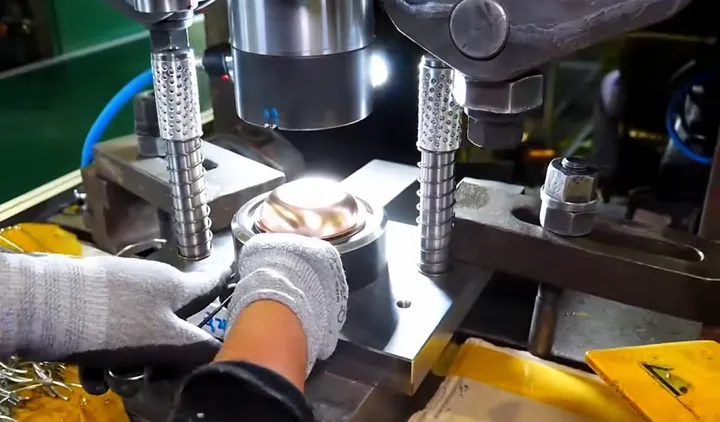
Feeding systems—such as straighteners and feeders—help ensure the material enters the stamping press smoothly and without distortion. Proper alignment is essential to prevent jams, misfeeds, or uneven wear on dies and tooling. Regularly check that guides, rollers, and sensors are clean and functioning.
For those seeking to optimize throughput, integrating automation can reduce manual intervention and improve consistency. The best practices for high-volume steel stamping article covers strategies for scaling up production while maintaining safety.
Personal Protective Equipment and Training
Worker safety is paramount when managing coil materials. All personnel should wear appropriate personal protective equipment (PPE), including gloves, safety glasses, steel-toed boots, and, when necessary, hard hats. Training should cover the specific hazards of coil handling, emergency procedures, and safe operation of lifting and feeding equipment.
Regular safety briefings and refresher courses help reinforce best practices and keep safety top of mind. Encourage a culture where workers feel comfortable reporting hazards or suggesting improvements.
Preventing Material Defects and Equipment Damage
Proper handling not only protects workers but also preserves material quality. Avoid dragging coils across rough surfaces, which can cause scratches or contamination. Inspect coils for signs of rust, dents, or edge damage before loading them into the press.
Maintenance routines should include checking for worn rollers, misaligned guides, and buildup of debris in feeding systems. Addressing these issues promptly helps prevent costly downtime and ensures consistent part quality. For more on maintaining edge quality and minimizing burrs, see how to minimize burrs in stamped parts.

Improving Efficiency with Automation and Ergonomics
Automation is increasingly used to streamline coil handling and feeding. Automated coil loading, threading, and feeding systems reduce manual labor and the risk of repetitive strain injuries. These systems can also enhance consistency, reduce scrap, and allow for faster changeovers between jobs.
Ergonomic improvements, such as adjustable workstations and powered assist devices, further reduce the risk of musculoskeletal injuries. Investing in these upgrades can yield long-term savings by reducing lost time and improving worker satisfaction.
For a comprehensive look at design considerations that support efficient coil handling, the steel stamping design for manufacturing tips article offers valuable insights.
Compliance and Industry Standards
Adhering to industry standards and regulations is essential for both legal compliance and operational safety. Organizations such as OSHA (Occupational Safety and Health Administration) and ANSI (American National Standards Institute) provide guidelines for material handling, machine guarding, and worker training.
Regular audits and inspections help ensure that procedures remain up to date and that all equipment is functioning as intended. Documenting incidents and near-misses can also help identify trends and areas for improvement.
For more detailed guidance on coil handling safety, the coil handling safety recommendations from industry experts offer practical checklists and case studies.
Maintenance and Troubleshooting for Coil Handling Equipment
Preventive maintenance is vital for keeping coil handling systems running smoothly. Establish a regular inspection schedule for all lifting devices, uncoilers, straighteners, and feeders. Look for signs of wear, misalignment, or hydraulic leaks, and address issues before they lead to breakdowns.
When troubleshooting, start with the most common issues—such as material jams, sensor misreads, or uneven feeding. Keeping spare parts on hand and training operators in basic troubleshooting can minimize downtime and keep production on track.
Frequently Asked Questions
What are the most common safety hazards when handling coil stock?
The main risks include coil roll-away, improper lifting leading to dropped loads, and injuries from uncoiling tension. Always use proper equipment, follow established procedures, and wear appropriate PPE to mitigate these hazards.
How can I reduce material waste during coil handling?
To minimize waste, inspect coils before use, ensure proper alignment in feeding systems, and maintain equipment regularly. Automation and real-time monitoring can further reduce scrap by catching issues early.
What equipment is essential for safe and efficient coil handling?
Key equipment includes coil cradles or racks, overhead cranes or forklifts with coil attachments, powered uncoilers, straighteners, and automated feeders. Each should be selected based on coil size, weight, and production needs.
How often should coil handling equipment be inspected?
Routine inspections should occur daily before use, with more thorough checks performed weekly or monthly depending on usage intensity. Follow manufacturer recommendations and keep detailed maintenance records.
Conclusion
Mastering the safe and efficient management of coil stock is fundamental for any stamping operation. By following best practices in storage, transportation, uncoiling, and feeding, you can protect workers, maintain material quality, and keep production running smoothly. Investing in automation and ergonomic improvements further enhances both safety and productivity. For ongoing success, stay informed about industry standards and regularly review your procedures for opportunities to improve.