Caring for the elderly at home brings joy and challenges. It’s important to be prepared with first aid tips for elderly at home to ensure their safety and well-being. The aging process makes seniors more vulnerable to accidents and health issues, so having the right knowledge and tools can make a significant difference.
Understanding the Importance of First Aid
First aid is the initial assistance given to someone during a health crisis. For the elderly, timely first aid can be crucial due to their potential for slower recovery. Knowing how to provide immediate help can prevent a situation from worsening.
Common Health Issues in the Elderly
Elderly individuals are prone to specific health issues such as falls, strokes, and heart attacks. These conditions require quick and efficient responses. Understanding these common problems helps in preparing appropriate first aid responses.
Essential First Aid Supplies
Every home with elderly residents should have a well-stocked first aid kit. Items like band-aids, antiseptics, and scissors are essential. Additionally, include items specific to the elderly, such as a blood pressure monitor and medications for chronic conditions.
Organizing Your First Aid Kit
Keep your first aid kit in an easily accessible place. Regularly check and replenish supplies. Ensure everyone in the household knows its location and contents. Home Safety Tips can provide further guidance on maintaining a safe environment.
First Aid for Falls
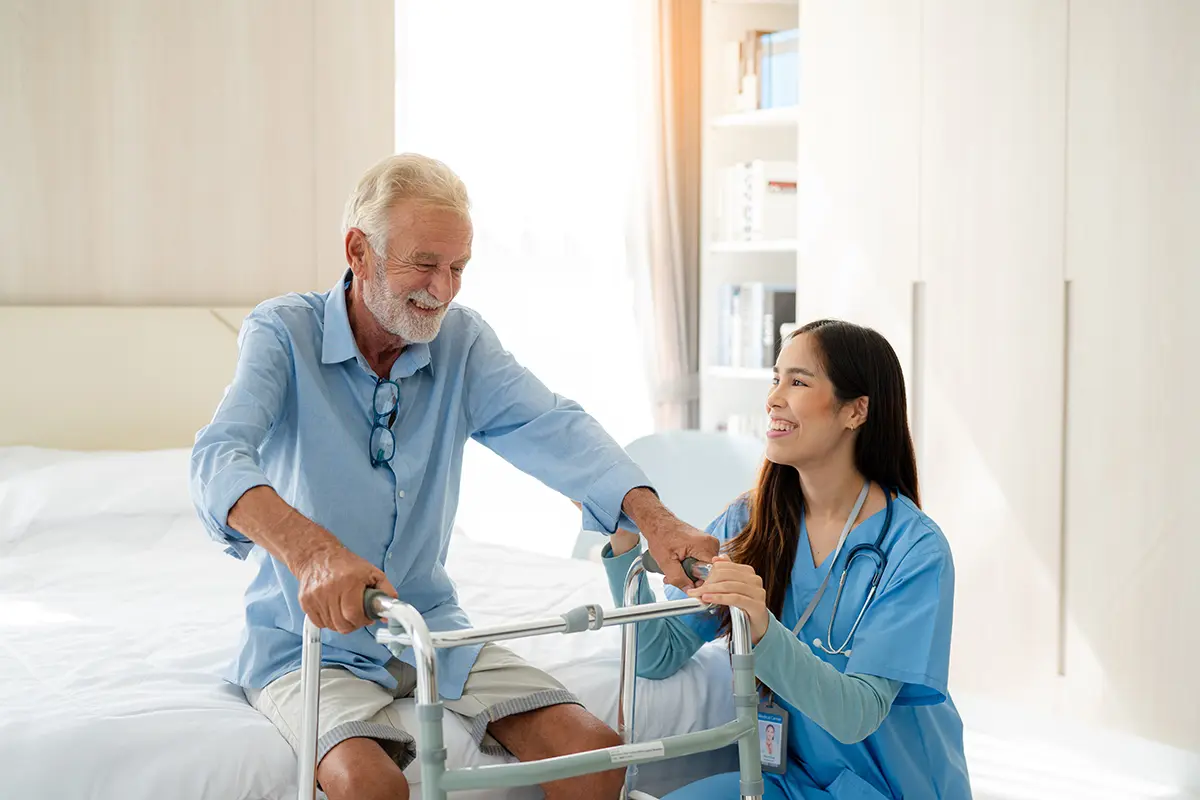
Falls are common among the elderly and can result in serious injuries. If a fall occurs, keep the individual still and assess for injuries. Call for medical help if necessary. Preventing falls is also crucial. Using Home Renovation Tips can minimize risks.
Dealing with Sudden Illnesses
Sudden illnesses like strokes or heart attacks require immediate attention. Recognize symptoms such as sudden weakness or chest pain. Call emergency services immediately and provide any prescribed medications if possible.
Stroke Signs and Responses
Learn to recognize stroke signs: facial drooping, arm weakness, and speech difficulties. Acting quickly is vital. Ensure the individual is comfortable and call emergency services without delay.
First Aid for Common Injuries
Common injuries like cuts or burns should be treated promptly. Clean wounds with antiseptics and apply appropriate dressings. For burns, use cold water to reduce heat before applying burn ointments.
Managing Chronic Conditions
Elderly individuals often manage chronic conditions. Familiarize yourself with their medications and dosages. Keep a list of medications handy for quick reference during emergencies.
Medication Management
Organize medications using a pill organizer. Ensure prescriptions are filled on time to prevent lapses. Consider using Voice-Activated Devices to set reminders for medication schedules.
Creating a Safe Environment
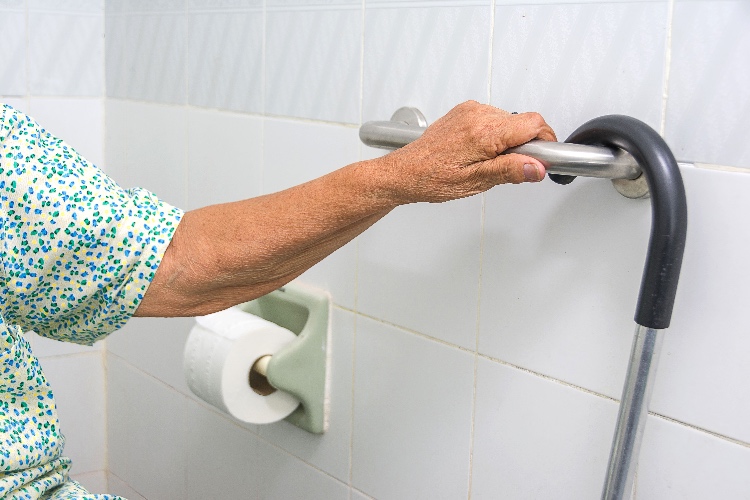
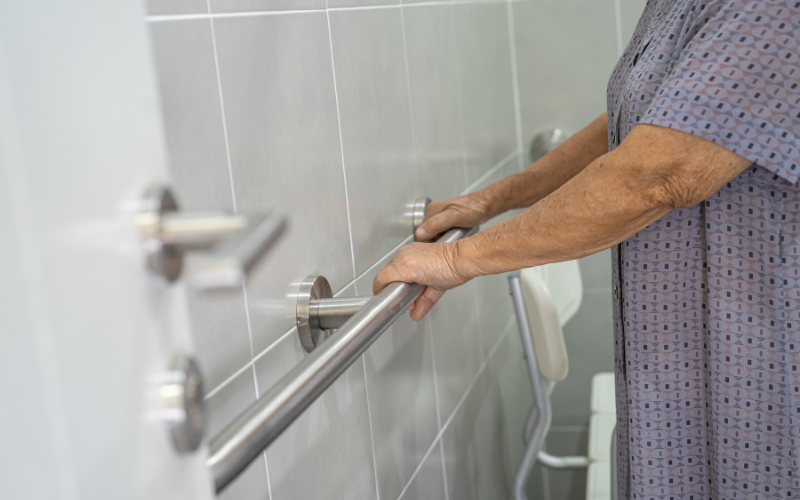
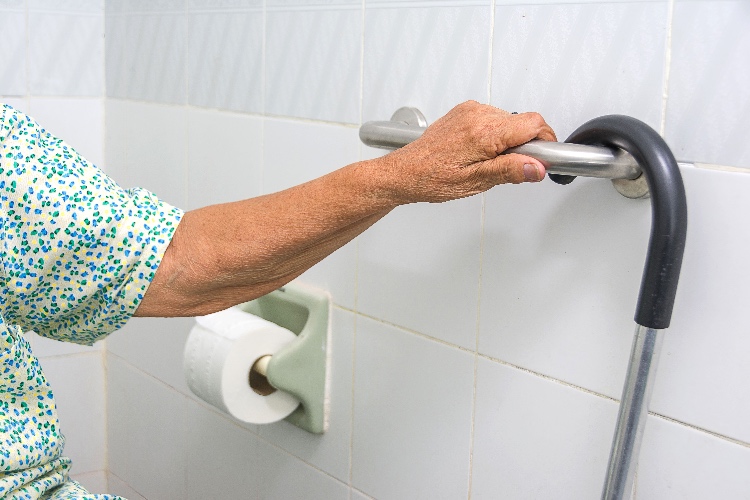
A safe home environment reduces the risk of accidents. Remove tripping hazards and ensure good lighting. Install grab bars in critical areas like bathrooms.
Home Safety Devices
Invest in devices like smoke detectors and carbon monoxide alarms. Regularly check and maintain these devices to ensure functionality. For more ideas, explore Alexa for Safety options.
Training and Education
Consider attending first aid training to improve your skills. Organizations offer courses that can provide valuable knowledge and confidence in handling emergencies.
Conclusion
By understanding and implementing these first aid tips for elderly at home, you can create a safer environment for your loved ones. Being prepared not only helps in emergencies but also offers peace of mind.
FAQs
What should be included in a first aid kit for the elderly?
A first aid kit should include band-aids, antiseptics, scissors, a blood pressure monitor, and medications for chronic conditions.
How can I prevent falls in the elderly?
To prevent falls, remove tripping hazards, ensure good lighting, and install grab bars in bathrooms.
Why is first aid training important?
First aid training provides the skills and confidence needed to handle emergencies effectively, ensuring the safety of the elderly.
For more insightful tips, visit Home Safety Tips.
This article contains affiliate links. We may earn a commission at no extra cost to you.