
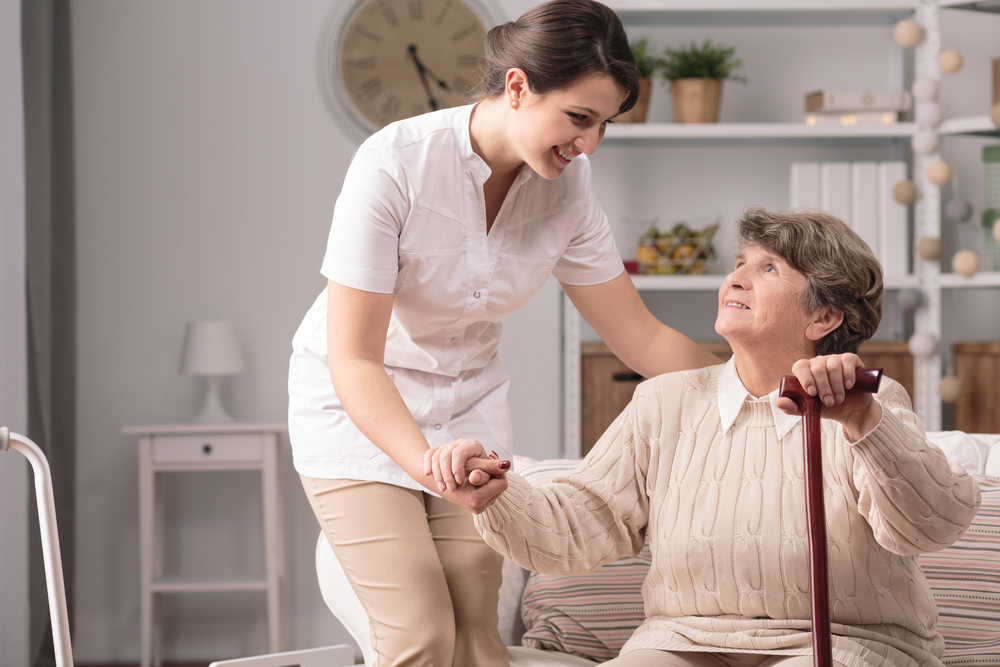
Ensuring the safety of our elderly loved ones is a top priority. With age, vulnerabilities increase, making it crucial to have a well-prepared emergency kit for elderly home safety. This guide will help you understand the essentials needed to keep your elderly family members safe and secure.
The Importance of an Emergency Kit
An emergency kit is a collection of essential items that can be vital in case of emergencies. For the elderly, having a specific kit tailored to their needs ensures they have access to necessary supplies during unforeseen situations. The kit not only provides the essentials but also peace of mind for both the elderly and their caregivers.
Essential Items for the Kit
1. First Aid Supplies
Ensure your kit contains basic first aid supplies such as bandages, antiseptic wipes, and medical tape. These items are crucial for addressing minor injuries promptly.
2. Medications
Include a list of all prescribed medications along with a few days’ supply. It’s important to have these medications readily available to prevent any disruption in the treatment.
3. Medical Information and Contacts
Have a document with medical history, allergies, and emergency contacts. Information like this can be lifesaving during emergencies. Learn more about maintaining these records at Emergency Contacts.
4. Non-Perishable Food and Water
Pack a few days’ worth of non-perishable food and bottled water. These supplies are essential in case of power outages or if leaving home is not possible.
5. Flashlights and Batteries
Have a reliable flashlight with extra batteries. This ensures visibility during power outages, reducing the risk of falls and injuries.
6. Personal Hygiene Items
Include hygiene products like tissues, hand sanitizer, and wet wipes. Maintaining hygiene is crucial to prevent infections, especially during emergencies.
Additional Safety Tools
1. Fire Extinguisher
A small fire extinguisher should be readily accessible, especially in the kitchen area.
2. Whistle
A whistle can be a simple yet effective tool for alerting others in case of an emergency.
3. Emergency Blanket
An emergency blanket provides warmth during cold conditions and is compact for easy storage.
4. Medical Alert System
Consider a medical alert system that can be used to quickly contact emergency services. For more information, explore Home Safety Alarms.
Regularly Updating the Kit
It’s important to regularly check and update the kit. Ensure that all medications are within their expiration dates and that food and water supplies are fresh. This practice ensures that the kit is always ready for use.
Creating a Safe Environment
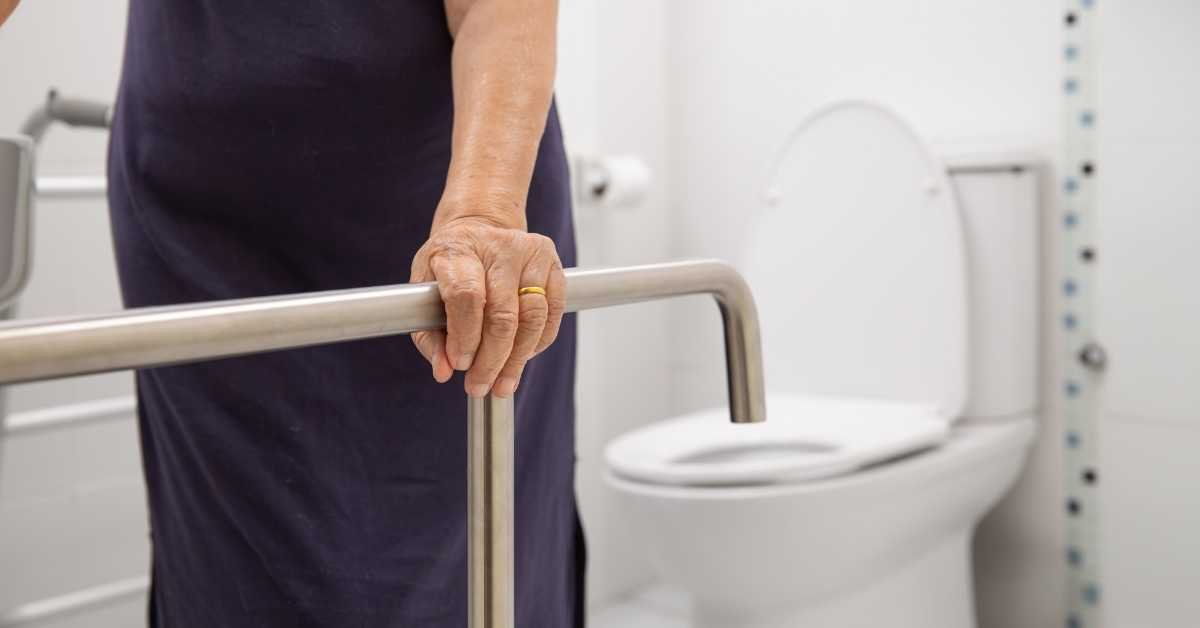
In addition to a well-prepared kit, creating a safe living environment is crucial. Consider making necessary home modifications such as installing grab bars, ensuring proper lighting, and removing tripping hazards. For more tips, visit Designing Safe Living Spaces.
Conclusion
A comprehensive emergency kit for elderly home safety is an investment in the well-being of your elderly loved ones. By preparing thoughtfully, you can rest assured that they are equipped to handle emergencies effectively.

FAQs
1. How often should the emergency kit be updated?
It is recommended to review and update the emergency kit every six months to ensure all items are current and in good condition.
2. What is the most important item in an emergency kit?
While all items are important, having access to medications and medical information is critical for the elderly.
3. Can home technology aid in elderly safety?
Yes, technology such as smart home devices and medical alert systems can enhance safety and provide peace of mind. Check out Alexa for Elderly Home Safety for more information.
This article contains affiliate links. We may earn a commission at no extra cost to you.