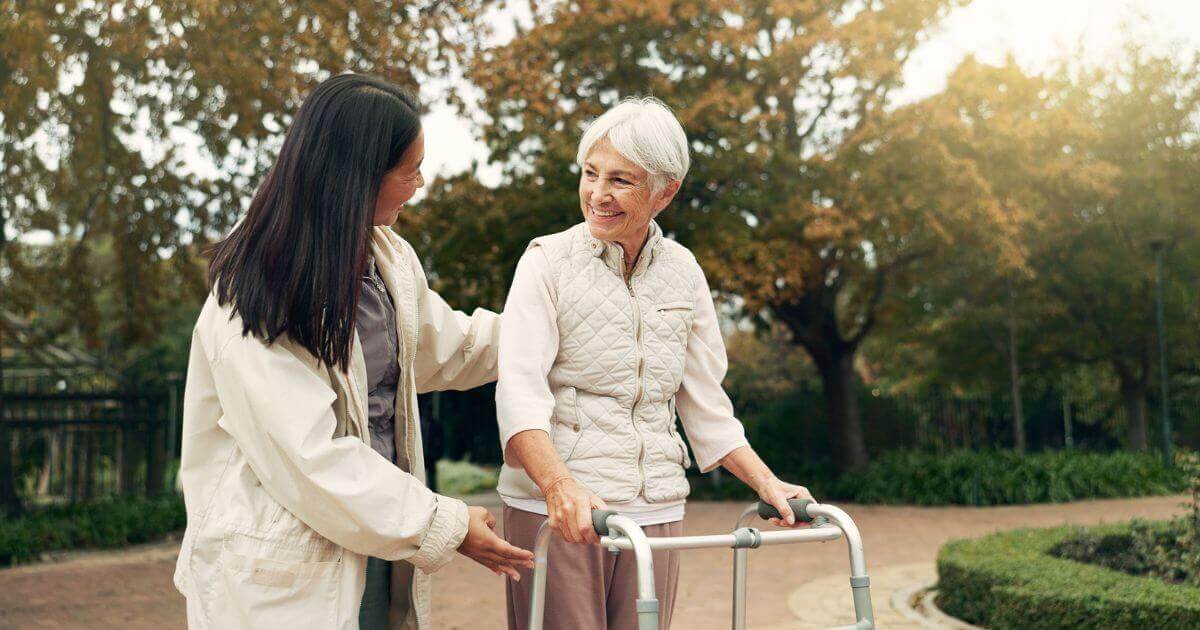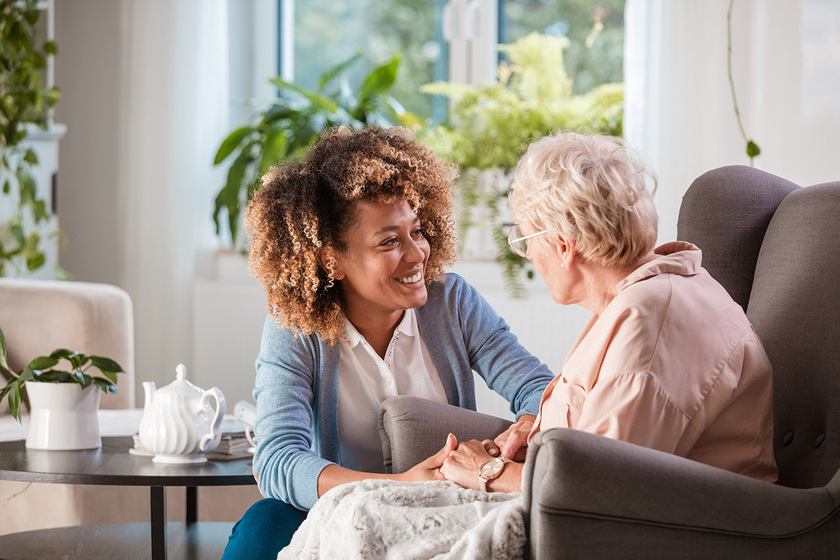
Providing care for loved ones at home is a rewarding responsibility, but it comes with its own set of challenges. A crucial aspect of caregiving is ensuring the home environment is safe and secure. This caregiver home safety checklist is designed to help you create a safe living space, minimizing risks and enhancing the well-being of those you care for.
Understanding the Importance of Home Safety
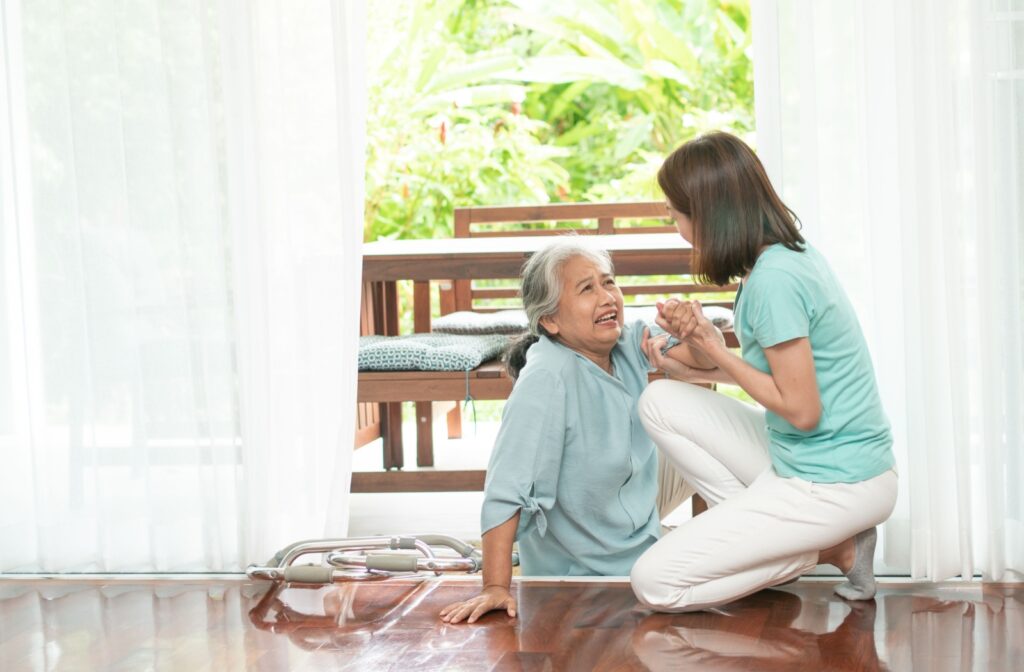
Home safety is paramount for caregivers. A well-organized and hazard-free environment reduces the risk of accidents and promotes independence for individuals with limited mobility. By following a comprehensive caregiver home safety checklist, you can ensure that your loved ones are comfortable and secure.
Identifying Common Home Hazards
Before implementing safety measures, it’s essential to identify potential hazards. This involves a thorough assessment of each room, checking for slippery floors, loose rugs, and inadequate lighting. Consider the unique needs of those you’re caring for, such as mobility issues or cognitive impairments, which may affect their interaction with their surroundings.
Kitchen Safety
The kitchen is a high-risk area for accidents. Ensure that appliances are in good working condition, and store sharp objects and cleaning supplies out of reach. For tips on meal preparation and safety, visit meal safety for elderly.
Bathroom Safety
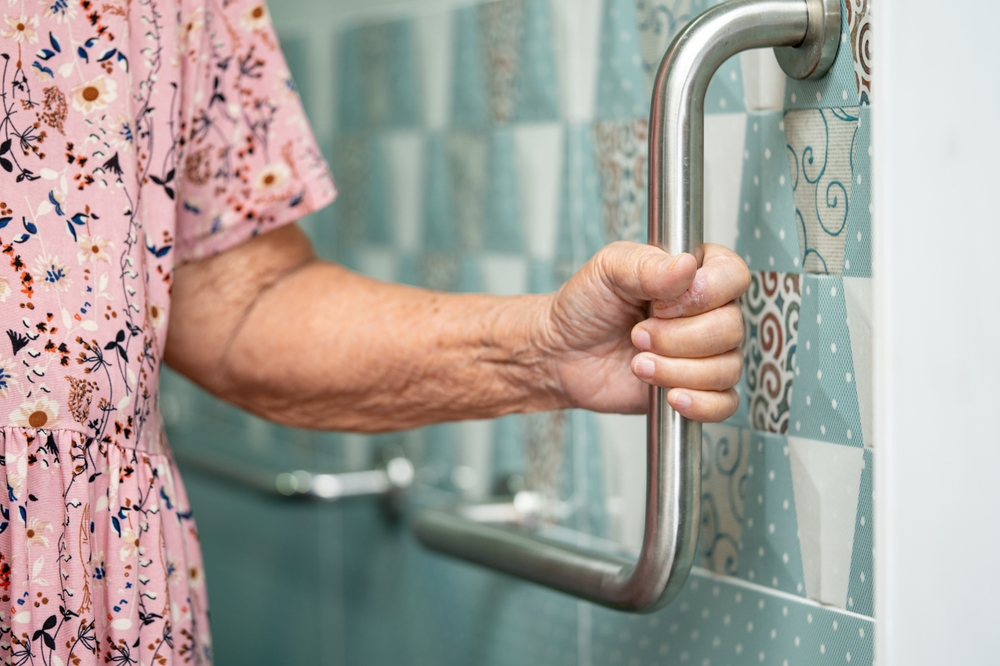
Bathrooms are prone to slips and falls. Install grab bars in the shower and near the toilet. Non-slip mats and adequate lighting can significantly reduce the risk of accidents. For additional safety advice, explore Alexa for elderly.
Bedroom Safety
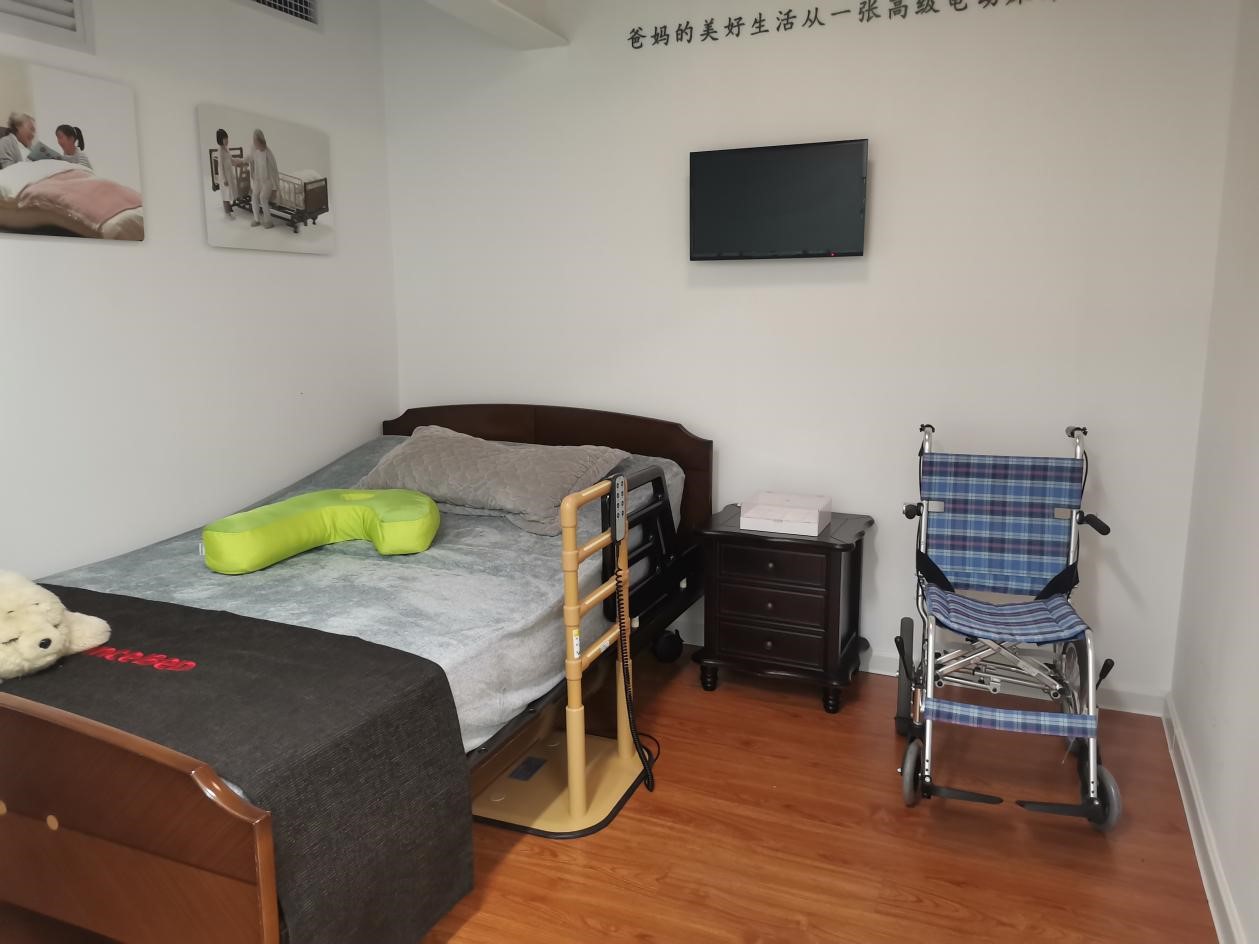
Ensure that the bedroom is clutter-free and that there is easy access to emergency numbers and a flashlight. Consider installing bed rails for added safety. For renovation ideas to enhance safety, check out home renovation tips.
Living Room Safety
In the living room, ensure that furniture is stable and that pathways are clear of obstructions. Consider using voice-activated devices to assist with daily tasks, as discussed in voice-activated devices.
Implementing Technology for Safety
Technology can be a valuable ally in maintaining a safe home environment. Devices such as motion sensors, security cameras, and smart home systems can provide peace of mind and enhance safety measures.
Smart Home Devices
Smart home devices offer convenience and safety. They allow caregivers to monitor the home environment remotely and receive alerts in case of emergencies. For more insights, visit laundry safety for seniors.
Emergency Response Systems
Emergency response systems provide an added layer of security. These systems enable individuals to call for help with the push of a button, ensuring immediate assistance in case of an emergency.
Maintaining a Safe Environment
Regular maintenance is key to sustaining a safe environment. Conduct periodic checks to ensure that safety equipment is functioning correctly and that no new hazards have arisen.
Adapting to Changing Needs
As the needs of your loved ones evolve, so should your safety measures. Stay informed about new safety technologies and be willing to adapt your home safety strategies accordingly.
Conclusion
Creating a safe home environment is an ongoing process that requires attention to detail and a proactive approach. By following this caregiver home safety checklist, you can ensure that your loved ones live in a secure and comfortable setting. For additional resources on creating a safe home, visit creating a safe and accessible home.
FAQs
What is a caregiver home safety checklist?
A caregiver home safety checklist is a comprehensive guide that helps caregivers identify and mitigate potential hazards in the home to ensure a safe living environment for those they care for.
How often should I review the safety checklist?
It’s advisable to review the safety checklist regularly, especially when there are changes in the health or mobility of your loved ones. This ensures that the home environment remains safe and secure.
What are some key areas to focus on for home safety?
Key areas to focus on include the kitchen, bathroom, bedroom, and living room. Ensuring these areas are free from hazards can significantly reduce the risk of accidents.
This article contains affiliate links. We may earn a commission at no extra cost to you.