Achieving efficiency, consistency, and quality in large-scale steel stamping operations requires a strategic approach. Manufacturers aiming to optimize output while minimizing costs and defects must adopt proven methods tailored for high-volume environments. This article explores essential best practices for high-volume steel stamping, offering actionable guidance for process improvement, quality assurance, and operational excellence.
Whether you’re scaling up production or refining established workflows, understanding the nuances of tooling, material handling, and quality control can make a significant difference. For those interested in foundational concepts, reviewing what is steel stamping process provides helpful context before diving into advanced strategies.
Optimizing Tooling and Die Maintenance for Mass Production
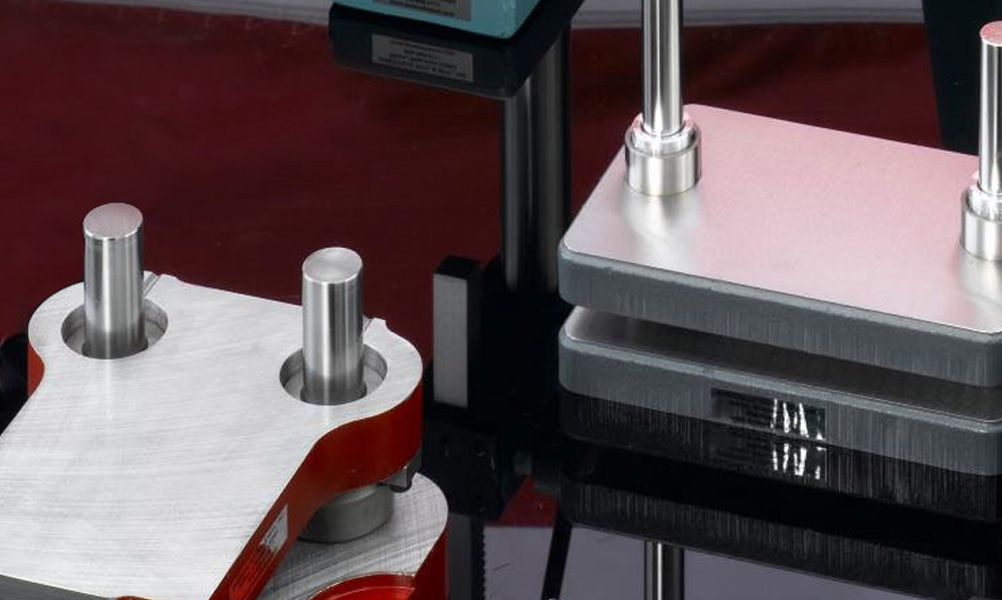
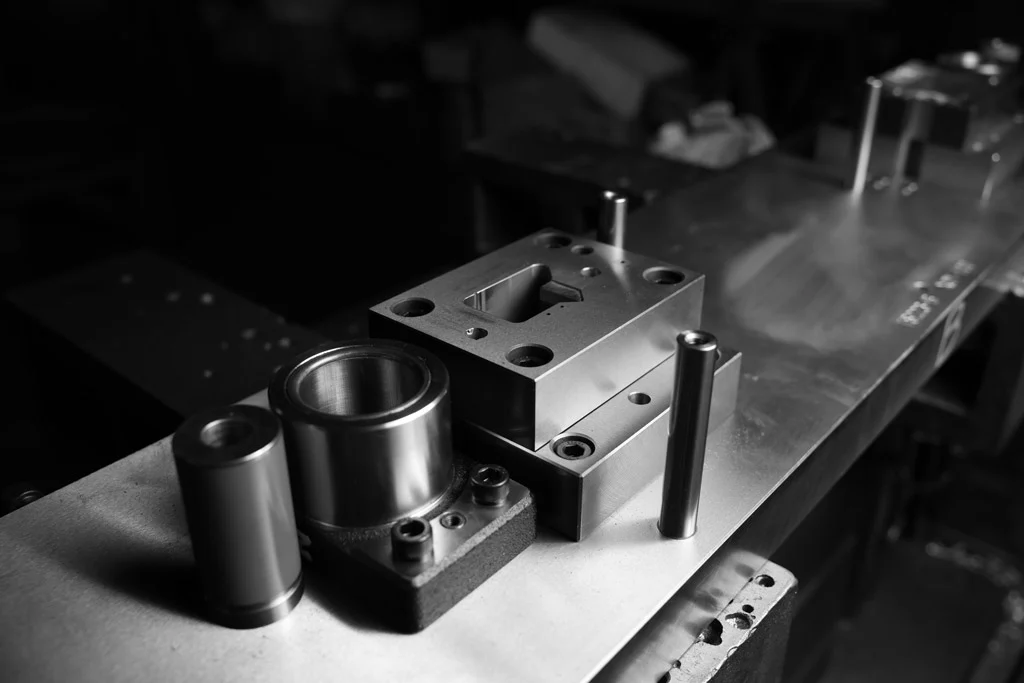
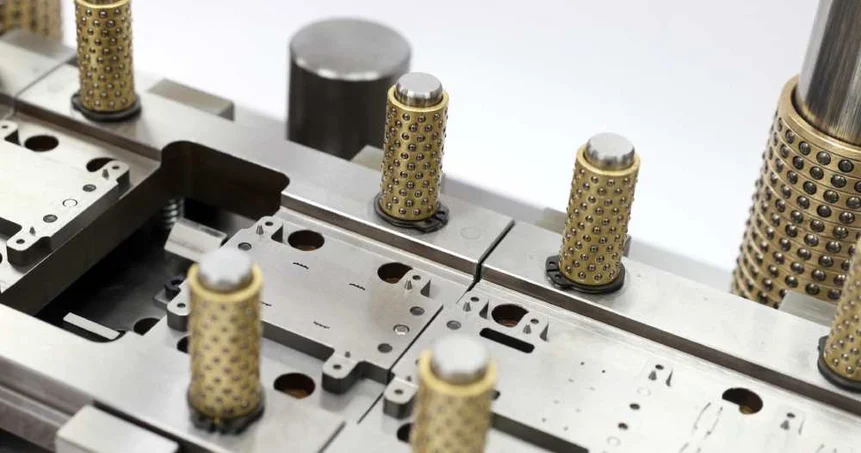
The backbone of any successful large-scale stamping operation is robust tooling. Dies must withstand the rigors of repetitive cycles without compromising precision. Investing in high-quality tool steels and employing advanced die designs can extend tool life and reduce unscheduled downtime.
Proactive maintenance is equally important. Regular inspection, cleaning, and lubrication prevent premature wear and ensure dimensional accuracy. For a comprehensive approach, consult the steel stamping die maintenance guide to establish a preventive maintenance schedule tailored to your production volume.
When repairs are needed, following industry standards is crucial. Resources like this overview of stamping die repair and maintenance basics offer valuable insights into troubleshooting and restoring dies to optimal condition.
Material Selection and Handling in High-Output Environments
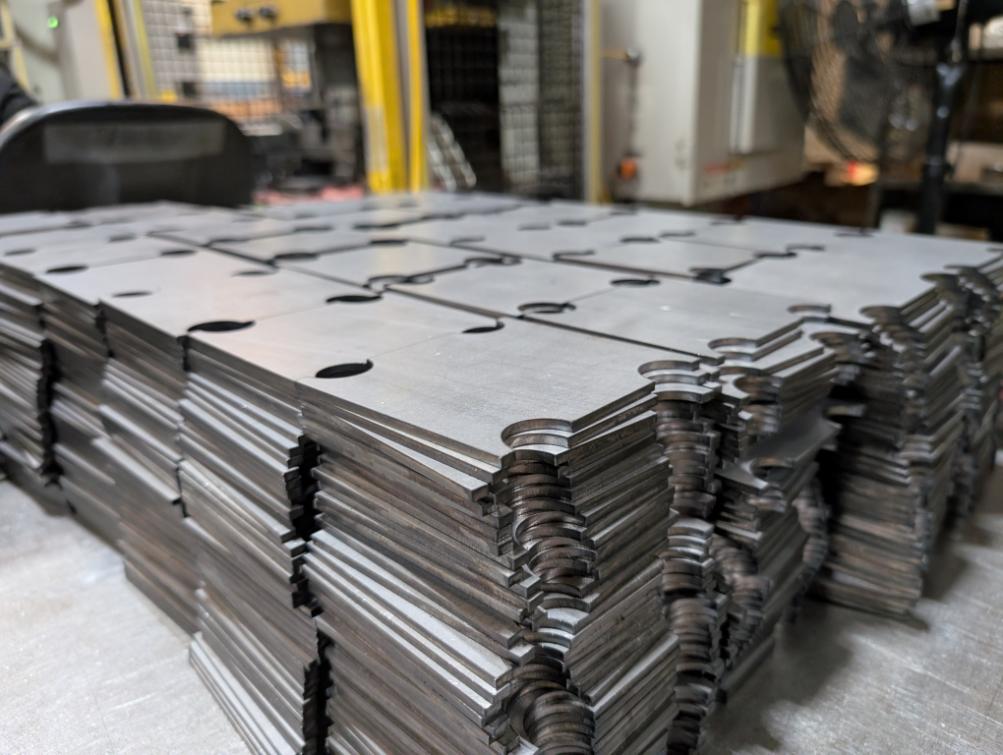
Consistency in raw material properties is vital for repeatable results. Sourcing steel with uniform thickness, hardness, and surface finish reduces variability and helps maintain tight tolerances. Establishing strong relationships with suppliers and implementing incoming material inspections can catch issues before they impact production.
Efficient material handling systems—such as automated feeders, straighteners, and coil handling equipment—minimize manual intervention and reduce the risk of jams or misfeeds. This not only boosts throughput but also protects tooling from unnecessary stress.
Process Control and Automation for Consistent Output
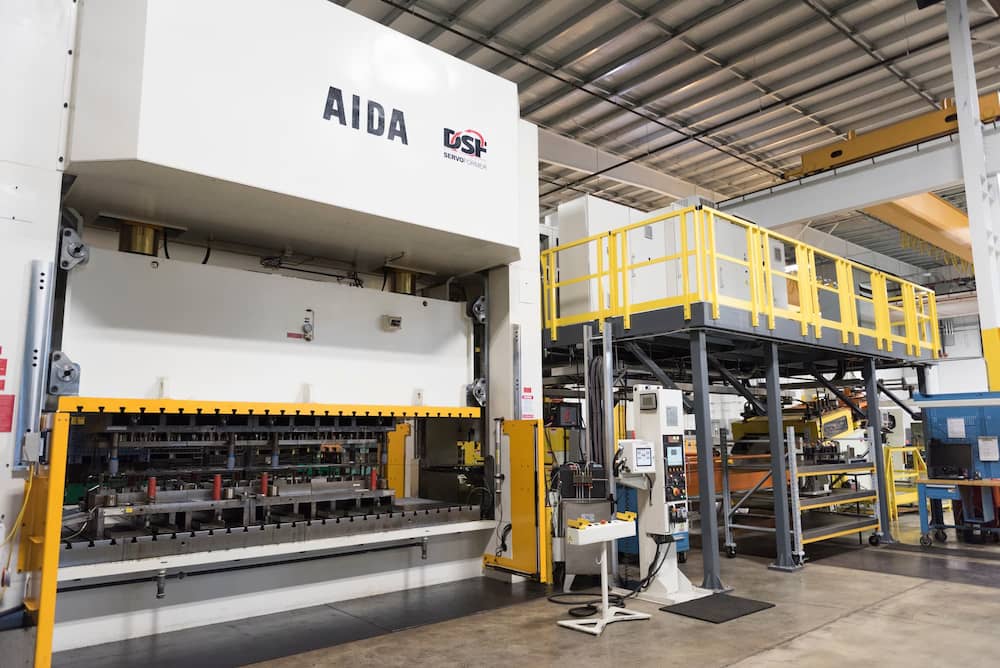
Automation is a cornerstone of modern mass production. Integrating programmable logic controllers (PLCs), sensors, and vision systems allows for real-time monitoring and adjustment of critical parameters. This reduces human error and ensures each stamped part meets specifications.
Statistical process control (SPC) techniques help identify trends and deviations early. By tracking key metrics—such as press force, stroke rate, and part dimensions—manufacturers can intervene before minor issues escalate into costly defects. For more on defect prevention, see these common defects in steel stamping and how to fix them.
Quality Assurance Strategies in Steel Stamping Operations
Maintaining high standards across thousands or millions of parts demands a layered quality approach. In-line inspection systems, such as laser or camera-based measurement, provide immediate feedback and reduce the risk of defective batches.
Implementing robust documentation and traceability systems ensures that any issues can be quickly traced to their source. Regular audits and cross-functional reviews foster a culture of continuous improvement, driving both efficiency and customer satisfaction.
Design for Manufacturability and Continuous Improvement
Early collaboration between design and production teams can prevent downstream issues. Applying steel stamping design for manufacturing tips during the product development phase helps ensure parts are optimized for high-speed production and minimal waste.
Continuous improvement methodologies, such as Lean and Six Sigma, empower teams to identify bottlenecks, reduce cycle times, and enhance overall equipment effectiveness (OEE). Regular training and knowledge sharing keep staff up-to-date with evolving industry standards.
Safety and Workforce Considerations in Large-Scale Stamping
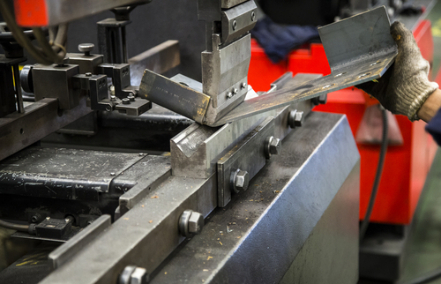
High-volume environments present unique safety challenges. Implementing machine guarding, emergency stop systems, and regular safety audits reduces the risk of accidents. Comprehensive training programs ensure operators are familiar with both equipment and emergency procedures.
Promoting a culture of safety not only protects employees but also contributes to operational stability. For additional resources on workplace safety and support, explore independent living safety resources.
Frequently Asked Questions
What are the most common challenges in high-volume steel stamping?
Typical challenges include tool wear, material inconsistencies, equipment downtime, and quality control issues. Addressing these requires robust maintenance programs, reliable material suppliers, and automated inspection systems.
How can manufacturers reduce defects in mass production?
Employing real-time monitoring, statistical process control, and in-line inspection helps catch defects early. Regular training and process audits further minimize the risk of recurring issues.
Why is die maintenance critical for large-scale stamping?
Well-maintained dies ensure consistent part quality and reduce unplanned downtime. Preventive maintenance, timely repairs, and proper storage all contribute to longer tool life and more efficient production.