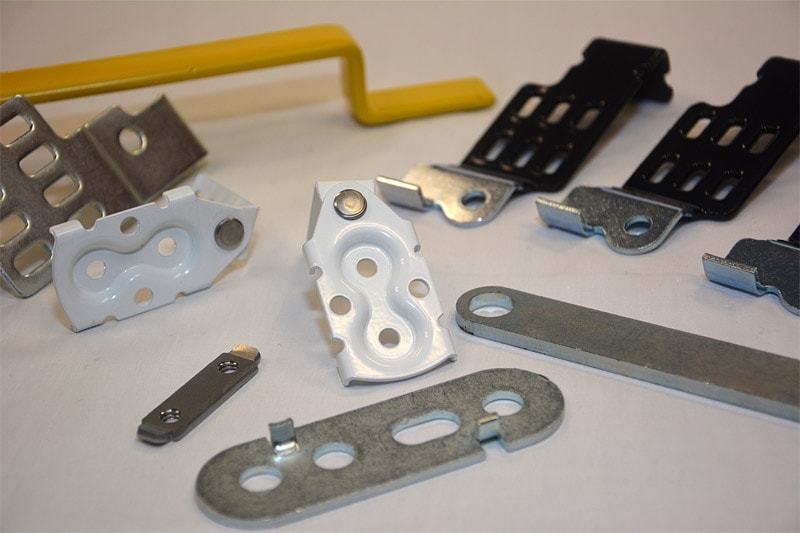
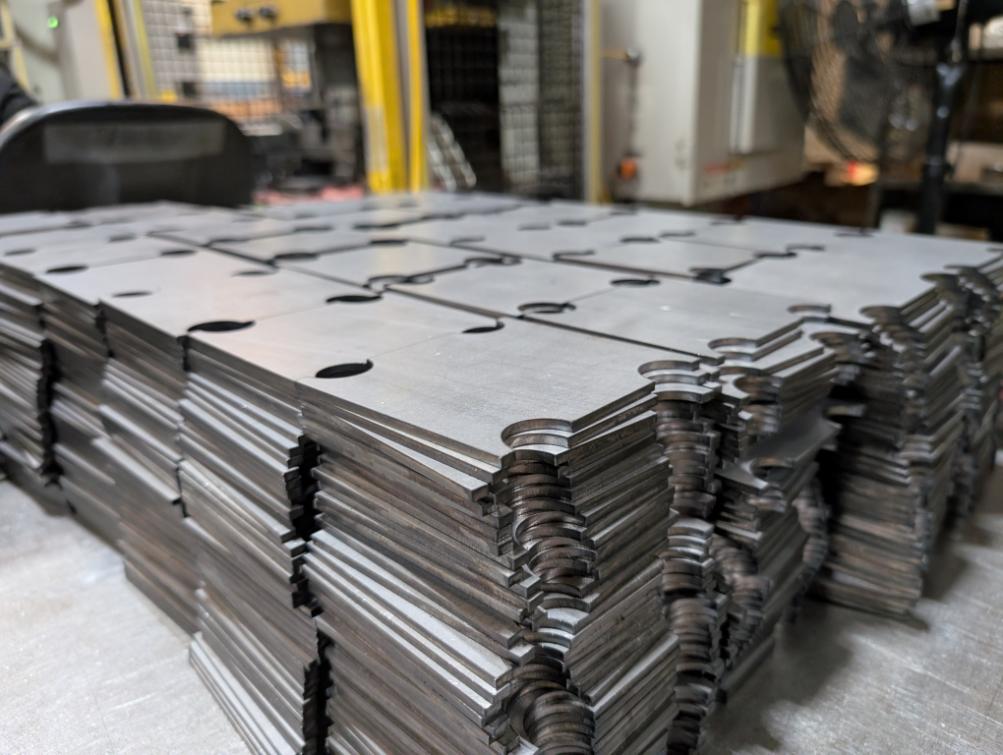
The manufacturing landscape has been transformed by the integration of automated steel stamping systems. These advanced solutions streamline the process of shaping, cutting, and forming steel components with remarkable speed and precision. As industries demand higher output and tighter tolerances, understanding the fundamentals and benefits of these systems becomes essential for manufacturers, engineers, and procurement specialists alike.
This guide offers a detailed look at the key technologies, operational advantages, and best practices associated with modern steel stamping automation. Whether you’re exploring ways to optimize production or seeking to reduce defects, a solid grasp of these systems can help you make informed decisions and stay competitive.
For those interested in the underlying processes, the what is steel stamping process article provides an excellent foundation. Additionally, if you are looking to optimize your designs, the steel stamping design for manufacturing tips resource is highly recommended.
Key Components of Automated Steel Stamping Systems
At the heart of any automated stamping setup are several core elements working in harmony. These include:
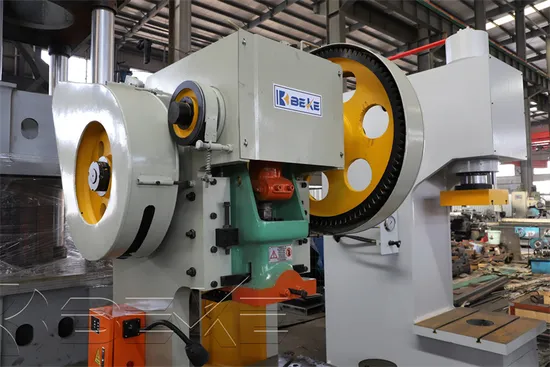
- Press Machines: Hydraulic, mechanical, or servo-driven presses deliver the force needed to shape steel sheets into precise forms.
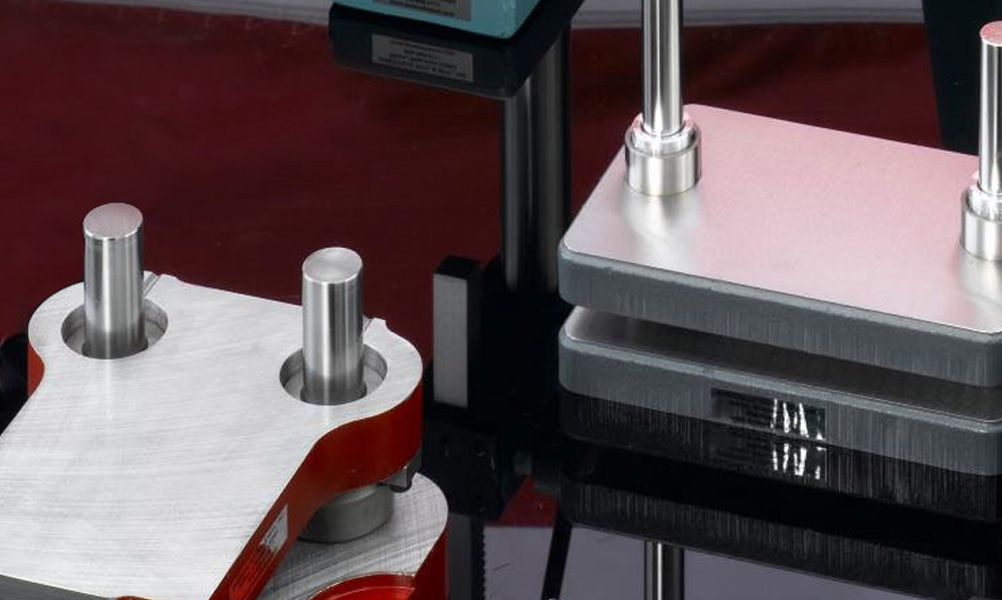
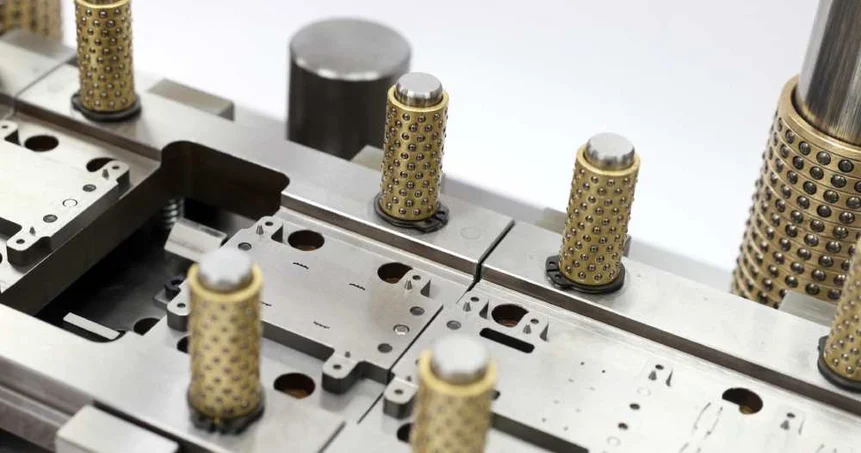
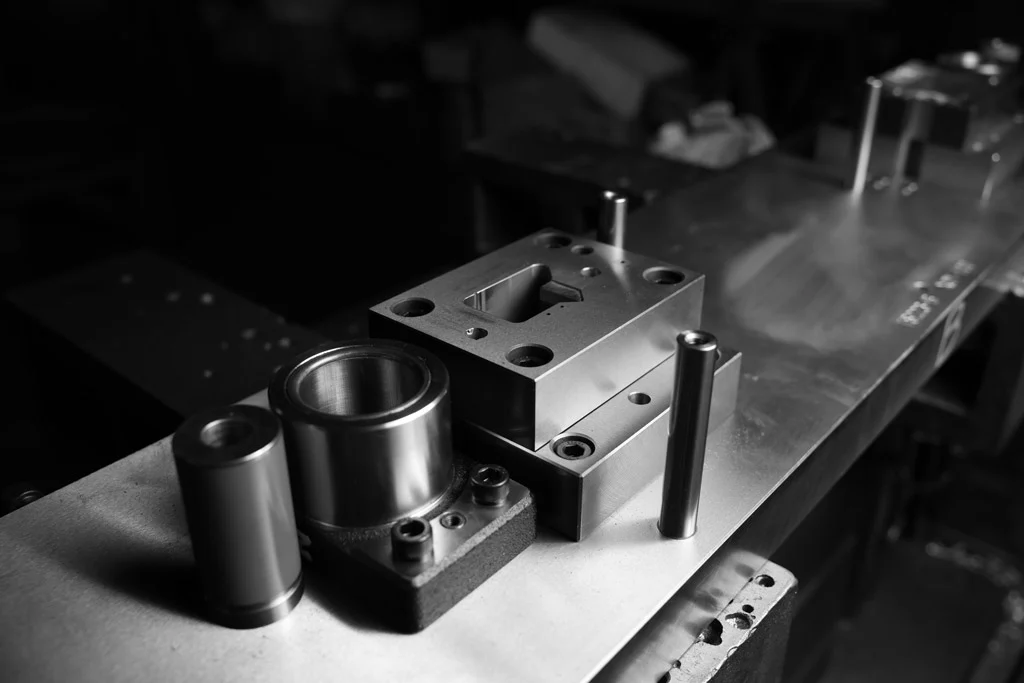
- Progressive and Transfer Dies: Custom dies enable complex geometries and multi-stage operations, reducing manual intervention.
- Feeding and Uncoiling Equipment: Automated feeders ensure consistent material delivery, minimizing downtime and human error.
- Robotic Handling: Robots and conveyors move parts between stations, boosting throughput and safety.
- Quality Control Sensors: Integrated vision and measurement systems detect defects early, maintaining high product standards.
These components are orchestrated by programmable logic controllers (PLCs) and industrial software, allowing for real-time adjustments and data collection throughout the production cycle.

How Automation Enhances Steel Stamping Efficiency
The move toward automated steel stamping systems brings significant improvements in both productivity and quality. Automation reduces manual labor, minimizes the risk of human error, and enables continuous operation. Here are some of the most impactful benefits:
- Increased Throughput: Automated lines can run 24/7, delivering consistent output and meeting high-volume demands.
- Precision and Repeatability: Advanced controls and sensors ensure each part meets exact specifications, reducing scrap rates.
- Lower Labor Costs: Automation reallocates human resources to higher-value tasks, improving overall efficiency.
- Enhanced Safety: Machines handle hazardous operations, reducing workplace injuries and improving compliance.
- Data-Driven Optimization: Real-time monitoring enables proactive maintenance and process improvements.
For manufacturers aiming to minimize production issues, it’s crucial to be aware of common defects in steel stamping and how to fix them. Automation can help address many of these challenges by standardizing processes and enabling rapid detection of anomalies.
Types of Automated Steel Stamping Systems
There are several configurations available, each suited to different production needs and part complexities:
- Progressive Die Stamping: Material is fed through a series of stations, each performing a specific operation. Ideal for high-volume, complex parts.
- Transfer Die Stamping: Parts are moved between dies by automated transfer mechanisms, suitable for larger or more intricate components.
- Single-Stage Stamping: Used for simpler parts or lower volumes, often with quick-change tooling for flexibility.
- Servo-Driven Systems: Offer precise control over speed and force, enabling customization for specialty applications.
The choice of system depends on factors such as part design, material thickness, and desired production rates. For guidance on maximizing tool life and efficiency, the steel stamping die maintenance guide is a valuable reference.
Best Practices for Implementing Automated Stamping Solutions
To fully realize the advantages of automation, manufacturers should follow several key strategies:
- Invest in Robust Training: Ensure operators and maintenance staff are well-versed in both the hardware and software aspects of the system.
- Prioritize Preventive Maintenance: Regular inspections and scheduled servicing help avoid unexpected downtime and extend equipment lifespan.
- Leverage Data Analytics: Use production data to identify bottlenecks, optimize cycle times, and improve quality control.
- Collaborate with Suppliers: Work closely with equipment and die manufacturers to tailor solutions to your specific needs.
- Stay Current with Industry Trends: Keep up with technological advancements, such as IoT integration and AI-driven quality checks, to maintain a competitive edge.
For more in-depth advice on design and process optimization, refer to the steel stamping design for manufacturing tips guide.
Challenges and Considerations in Steel Stamping Automation
While the benefits are substantial, transitioning to automated steel stamping involves careful planning and ongoing management. Some common challenges include:
- Initial Investment: Upfront costs for equipment, integration, and training can be significant, but are often offset by long-term savings.
- Change Management: Shifting workflows and responsibilities requires clear communication and staff buy-in.
- Customization Needs: Highly specialized parts may require custom tooling or programming, impacting lead times.
- Maintenance Demands: Automated systems are complex and require diligent upkeep to prevent failures.
- Supply Chain Coordination: Reliable material supply and logistics are essential for uninterrupted operation.
Addressing these issues early can smooth the transition and maximize the return on investment. For additional insights, the detailed guide on die automation and best practices offers further reading.
Frequently Asked Questions
What industries benefit most from automated steel stamping?
Sectors such as automotive, aerospace, electronics, appliances, and construction rely heavily on automated stamping for high-volume, precision parts. These industries benefit from reduced costs, improved consistency, and faster turnaround times.
How does automation reduce defects in steel stamping?
Automated systems use sensors and quality control technologies to detect defects early in the process. This allows for immediate correction, reducing scrap rates and ensuring that only parts meeting specifications proceed to the next stage.
What maintenance is required for automated stamping equipment?
Regular preventive maintenance is crucial. This includes lubrication, inspection of moving parts, calibration of sensors, and software updates. Following a structured maintenance schedule helps prevent unexpected breakdowns and extends equipment life.
Can automated stamping systems handle custom or low-volume runs?
Yes, modern systems with quick-change tooling and programmable controls can efficiently manage both high-volume production and smaller, custom batches. Flexibility depends on the specific equipment and die setup.
Conclusion
Embracing automated steel stamping systems is a strategic move for manufacturers seeking to boost productivity, quality, and competitiveness. By understanding the core components, benefits, and implementation strategies, organizations can make informed decisions that drive long-term success. For ongoing support and resources, consider exploring additional guides and best practices within the steel stamping field.