
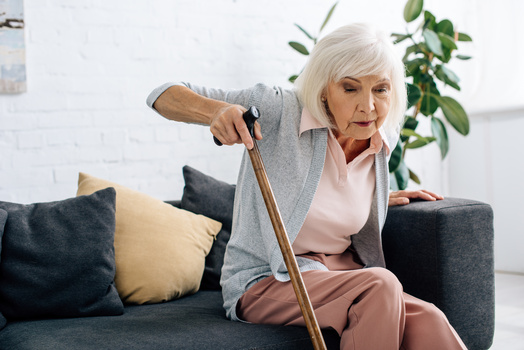
In today’s world, ensuring the safety of our elderly loved ones is a top priority. One effective way to enhance safety in homes is by using anti-slip tape for elderly homes. With the aging population, more families are considering modifications to make homes safer for seniors. Anti-slip tape plays a crucial role in preventing falls, which are a significant concern for elderly individuals.
Understanding the Need for Anti-Slip Tape
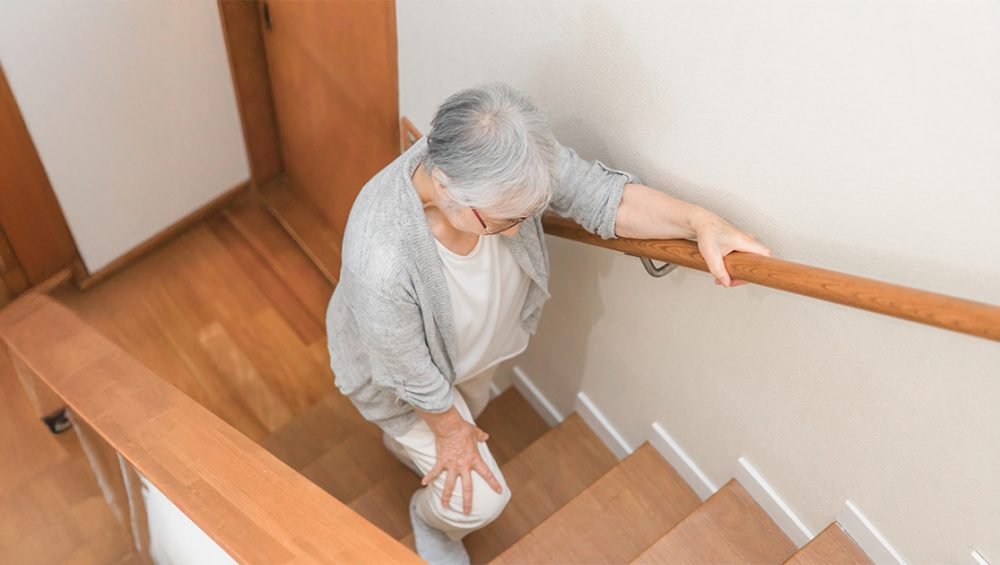
Falls are the leading cause of accidents among older adults. The use of anti-slip tape can significantly reduce these risks by providing a stable and secure footing on slippery surfaces. This tape is especially useful in areas like bathrooms, staircases, and kitchens, where the likelihood of slipping is higher.
How Does Anti-Slip Tape Work?
Anti-slip tape is designed with a rough surface that increases friction, making it difficult for someone to slip. It can be easily applied to various surfaces, including tiles, wood, and concrete. This makes it a versatile solution for enhancing safety in different areas of the home.
Benefits of Using Anti-Slip Tape
- Prevents accidents and reduces the risk of falls.
- Easy to apply and maintain.
- Cost-effective compared to other safety modifications.
- Available in different colors and textures to match home decor.
Where to Apply Anti-Slip Tape in Elderly Homes
Common Areas for Application
The following areas in a home can benefit from the application of anti-slip tape:
- Staircases: Applying tape on each step can prevent slips.
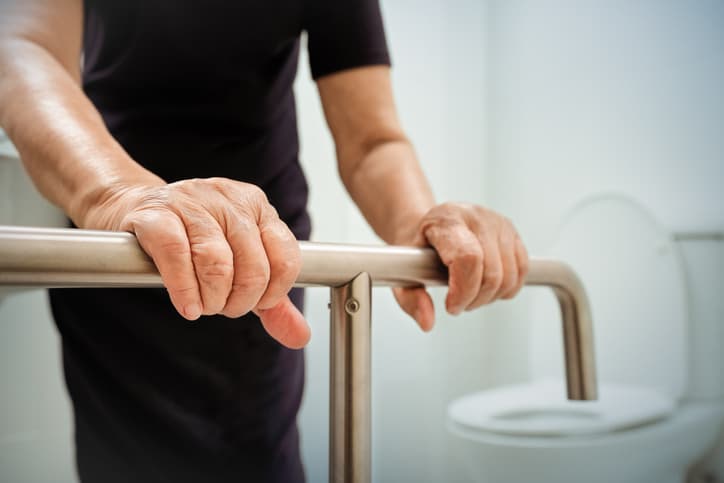
- Bathrooms: Areas around showers and tubs are prone to getting wet and slippery.
- Kitchens: Spills in the kitchen can lead to dangerous falls.
Innovative Applications
Beyond the common areas, consider using anti-slip tape in other innovative ways to enhance safety. For instance, applying it on the edges of rugs or mats can prevent them from sliding, and using it on outdoor steps can prevent accidents in wet conditions.
Choosing the Right Anti-Slip Tape
Factors to Consider
When selecting anti-slip tape, consider the following factors:
- Durability: Choose tape that withstands wear and tear.
- Adhesive strength: Ensure it sticks well to the intended surface.
- Texture: Opt for a texture that provides sufficient grip.
- Color: Select a color that complements the homes aesthetics.
Recommended Products
Some popular brands offer high-quality anti-slip tapes suitable for home use. It’s advisable to read product reviews and consult with professionals to find the best option for your needs.
Installation and Maintenance Tips
How to Install Anti-Slip Tape
Installing anti-slip tape is a straightforward process. Clean the surface thoroughly, measure the area, cut the tape to size, and apply it firmly. Ensure there are no air bubbles, as these can reduce effectiveness.
Maintaining Anti-Slip Tape
Regular maintenance involves checking the tape for wear and tear. Replace any sections that appear worn out to maintain optimal safety. Cleaning the tape regularly also helps in maintaining its grip.
Additional Safety Tips for Elderly Homes
Besides using anti-slip tape, consider other safety measures to make homes safer for the elderly. Installing home safety alarms and having emergency contacts readily available can be crucial in emergencies. Additionally, devices like Alexa for elderly safety can assist in daily activities and emergency situations.
Resources and Further Reading
For more information on elderly home safety, consider visiting resources such as Keppel and Mayo Clinic for additional safety tips and guidelines.
FAQ
What is anti-slip tape?
Anti-slip tape is a product designed to increase friction on surfaces, preventing slips and falls, especially in areas prone to getting wet.
Where should I apply anti-slip tape in my home?
Apply anti-slip tape in areas like staircases, bathrooms, and kitchens to enhance safety and prevent falls.
How often should I replace anti-slip tape?
Regularly check for signs of wear and replace any worn-out sections to ensure continued safety and effectiveness.
This article contains affiliate links. We may earn a commission at no extra cost to you.