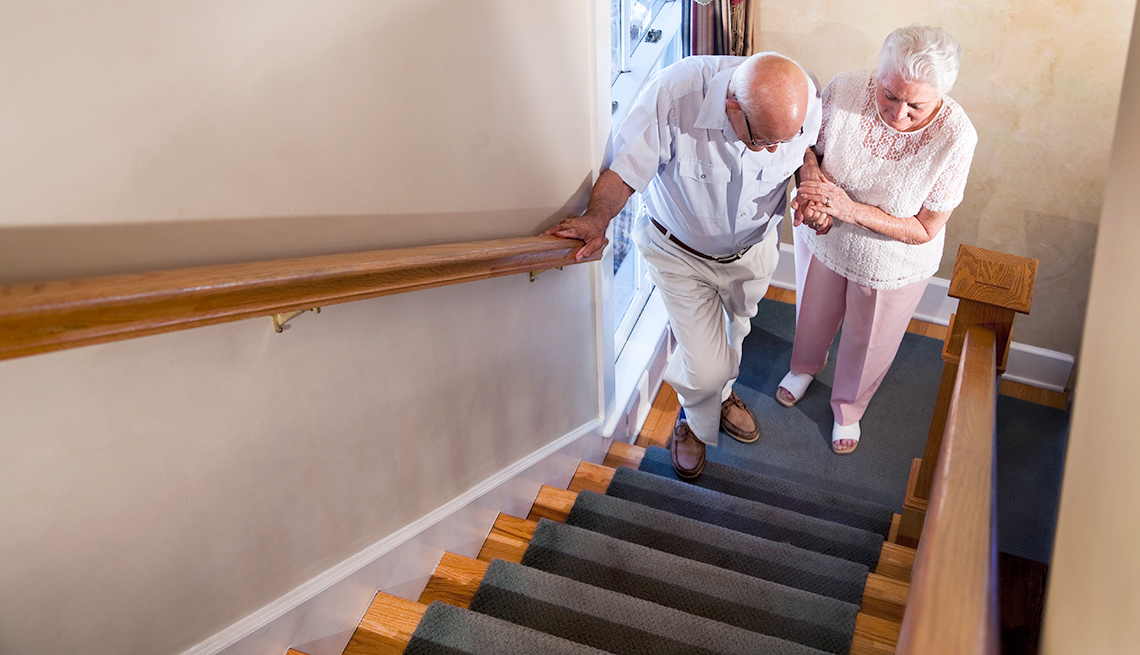
As we age, ensuring a safe living environment becomes increasingly important. For the elderly, the home can present various challenges and risks. Implementing the best safety products for elderly can help mitigate these risks and provide peace of mind for both seniors and their families. In this article, we will explore a variety of safety products that are essential for creating a secure living space. From fall prevention to emergency communication, these products address the unique needs of the elderly.
1. Importance of Safety for the Elderly
The need for safety in the home is paramount as individuals age. With reduced mobility and other age-related conditions, the risk of accidents and injuries increases. Family caregivers must be proactive in creating a safe environment. Utilizing the home safety tips for the elderly can be a good starting point.
2. Fall Prevention Devices
Grab Bars and Handrails
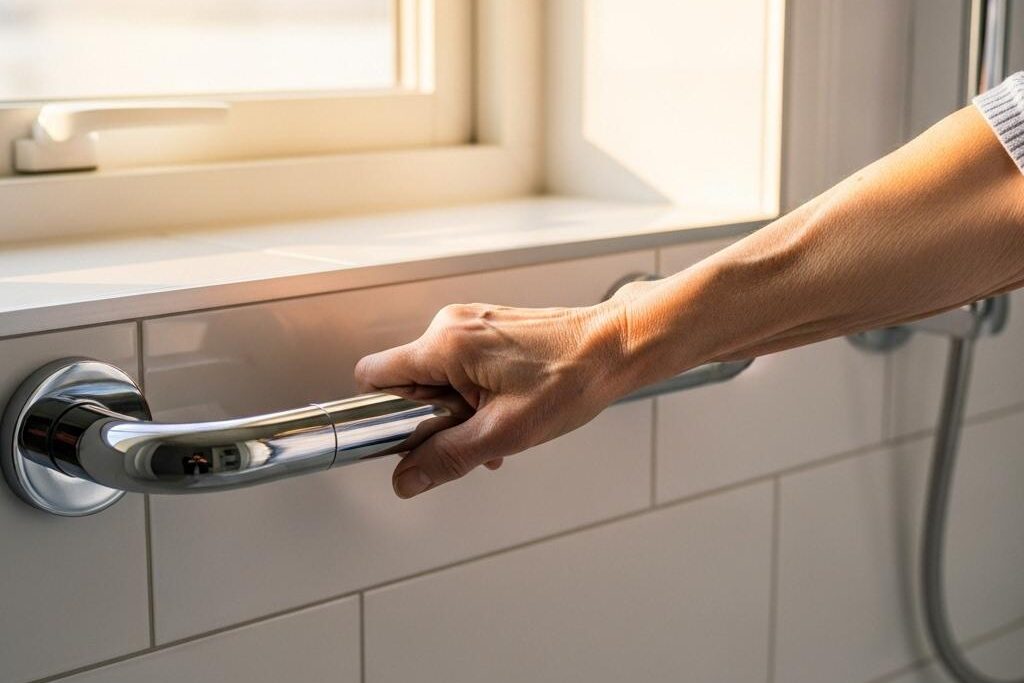
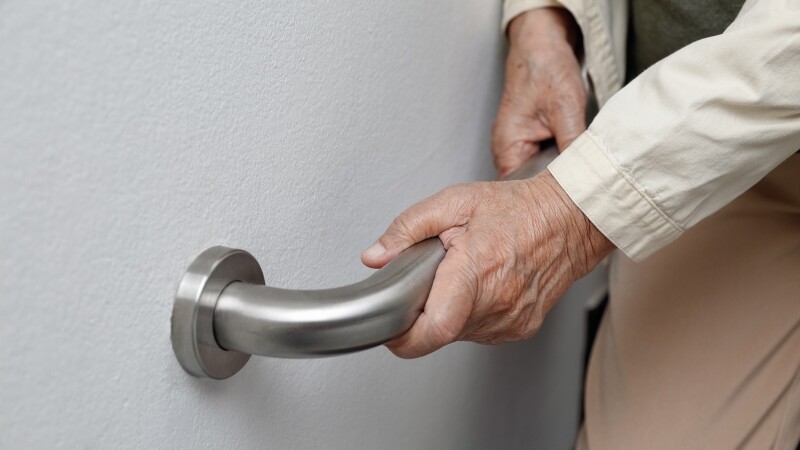
One of the most effective ways to prevent falls is by installing grab bars and handrails in key areas of the home. These products provide additional support and stability, particularly in the bathroom and along staircases.
Non-slip Mats
Placing non-slip mats in the bathroom and kitchen can significantly reduce the risk of slips and falls. These mats provide a stable surface, especially in areas prone to water spills.
3. Emergency Communication Systems
Medical Alert Systems
Medical alert systems are vital for seniors living alone. These devices ensure that help is just a button press away in case of an emergency. Systems like these are discussed in our Alexa setup guide for elderly.
Smartphone Apps
There are numerous smartphone apps designed to enhance the safety of elderly individuals. These apps can track movement, remind users to take medication, and alert family members in case of an emergency.
4. Enhancing Home Safety with Technology
Smart Home Devices
Smart home technology can greatly enhance the safety of elderly individuals. Devices such as smart lights and thermostats can be controlled remotely, making it easier to manage the home environment.
Voice-Activated Assistants
Voice-activated devices, like those discussed in our voice-activated guide, can assist seniors with daily tasks and provide immediate access to information and emergency contacts.
5. Kitchen and Meal Safety
Automatic Shut-off Devices
Installing automatic shut-off devices on stoves and ovens can prevent kitchen fires, a common hazard for elderly individuals. More tips can be found in our meal safety tips.
Adaptive Kitchen Tools
Adaptive kitchen tools, such as easy-grip utensils and jar openers, can help seniors maintain independence while cooking, reducing the risk of injury.
6. Bedroom Safety Enhancements
Bed Rails
Bed rails can prevent falls during the night and provide support when getting in and out of bed.
Adjustable Beds
Adjustable beds can offer comfort and reduce strain on the body, aiding those with mobility issues.
7. Bathroom Safety Solutions
Shower Chairs and Transfer Benches
Shower chairs and transfer benches provide stability and support, making bathing safer for seniors.
Raised Toilet Seats
Installing a raised toilet seat can make it easier for elderly individuals to sit and stand, reducing the risk of falls.
8. Security Measures for Peace of Mind
Home Security Systems
Investing in a home security system can protect against intruders and provide a sense of security for elderly individuals.
Doorbell Cameras
Doorbell cameras allow seniors to see who is at their door, adding an extra layer of security.
9. Outdoor Safety Considerations
Ramps and Pathway Lighting
Installing ramps and adequate lighting on pathways can prevent outdoor accidents and make it easier for seniors to move around safely.
Secure Fencing
Secure fencing around the property can prevent falls and ensure that seniors remain within safe boundaries.
10. Mobility Aids
Walkers and Canes
Walkers and canes are essential mobility aids that provide support and stability for seniors.
Wheelchairs
For those with limited mobility, wheelchairs can offer independence and mobility.
11. Monitoring Health and Wellness
Wearable Health Monitors
Wearable health monitors track vital signs and alert caregivers of any concerning changes in health.
Medication Dispensers
Automated medication dispensers ensure that seniors take their medication on time, reducing the risk of missed doses.
12. Cognitive Support Tools
Memory Aids
Memory aids, such as reminder clocks and calendars, can assist seniors with cognitive challenges.
Puzzle and Brain Games
Puzzle and brain games can help keep the mind sharp and engaged.
13. Personal Safety Wearables
GPS Trackers
GPS trackers provide peace of mind by allowing caregivers to know the whereabouts of seniors at all times.
Fall Detection Devices
Fall detection devices automatically alert caregivers in the event of a fall, ensuring prompt assistance.
14. Fire Safety Precautions
Smoke and Carbon Monoxide Detectors
Installing smoke and carbon monoxide detectors is crucial for detecting potential hazards early.
Fire Extinguishers
Keeping fire extinguishers accessible in key areas of the home can prevent small fires from escalating.
15. Professional Home Safety Assessments
Consider hiring a professional to assess the home for safety risks. They can provide personalized recommendations to ensure the safety of elderly individuals.
For more detailed room-by-room safety tips, you can visit this external guide.
FAQs
Q1: What are the most important safety products for seniors living alone?
A1: Essential safety products include grab bars, medical alert systems, non-slip mats, and home security systems.
Q2: How can technology improve safety for the elderly?
A2: Technology such as smart home devices, voice-activated assistants, and wearable health monitors can enhance safety and provide peace of mind.
Q3: Why is it important to have a professional home safety assessment?
A3: A professional home safety assessment can identify potential risks and provide expert recommendations to create a safer environment for seniors.
This article contains affiliate links. We may earn a commission at no extra cost to you.