When it comes to choosing a smartwatch for seniors, the decision often boils down to the Apple Watch fall detection vs Fitbit. Both devices offer unique features tailored to enhance the safety and health monitoring of elderly users. Fall detection is a critical feature for seniors, providing peace of mind and potentially life-saving alerts. This comparison will explore how each device’s fall detection technology works, its reliability, and which might be the better choice for seniors. For a broader look at fall detection options, you can explore our guide on top-rated fall detection devices.
Quick Comparison
| Feature | Apple Watch | Fitbit |
|---|---|---|
| Fall Detection | Alerts emergency services if no movement is detected after a fall | Limited fall detection capabilities |
| Health Monitoring | ECG, SpO2, heart rate monitoring | Heart rate monitoring, SpO2 |
| Ease of Use | Intuitive interface with large icons | Simplified interface for basic use |
| Battery Life | Up to 18 hours | Up to 7 days |
| Ideal Use-Case | For seniors needing comprehensive health monitoring | For seniors preferring longer battery life |
For more insights on how these devices compare, you might find our article on fall detection for seniors with dementia useful.
Apple Watch: A Comprehensive Health Companion
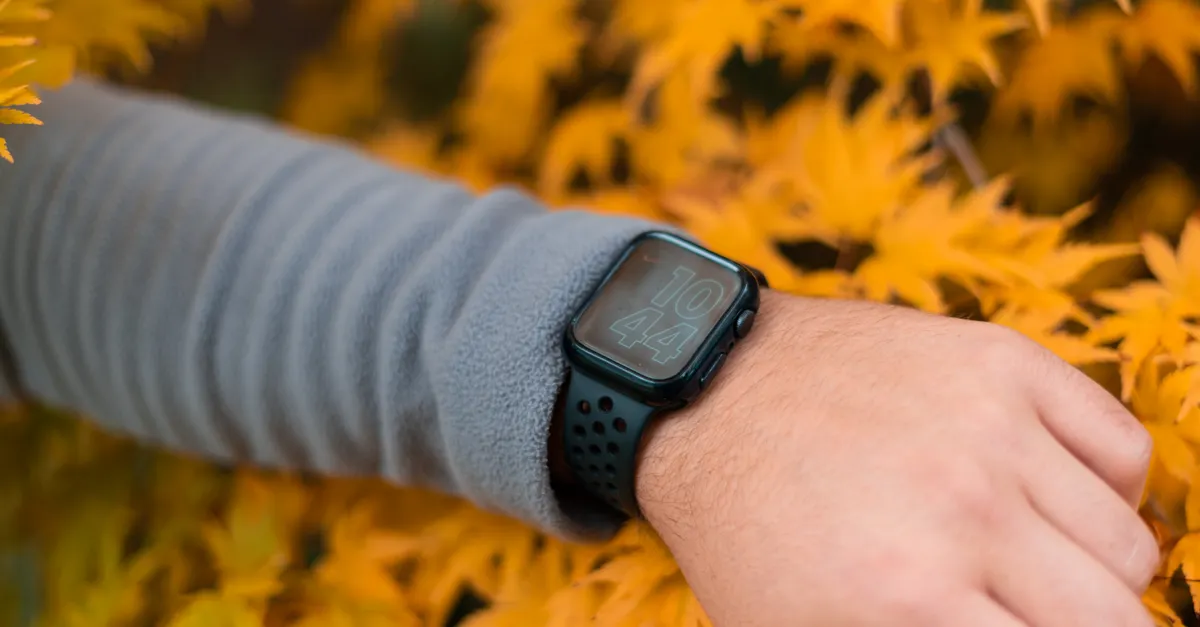
The Apple Watch is renowned for its robust health monitoring capabilities, making it a popular choice among seniors. Its fall detection feature is particularly noteworthy, as it automatically alerts emergency services if no movement is detected after a fall, a feature available in Series 4 and later models. This proactive approach can be crucial for seniors living alone or those with mobility issues.
Pros
- Advanced health monitoring features including ECG and SpO2
- Seamless integration with iPhones
- High-quality build and design
Cons
- Shorter battery life compared to Fitbit
- Higher price point
Fitbit: Simplicity and Longevity
Fitbit offers a more straightforward approach, focusing on essential health metrics and extended battery life. While its fall detection capabilities are not as advanced as the Apple Watch, it provides reliable heart rate monitoring and SpO2 tracking, making it a suitable option for seniors who prioritize simplicity and battery longevity.
Pros
- Long battery life, lasting up to a week
- Easy-to-use interface
- Affordable pricing
Cons
- Limited fall detection features
- Less comprehensive health monitoring
Head-to-Head Comparison
When comparing the Apple Watch fall detection vs Fitbit, several factors come into play. In terms of performance, the Apple Watch offers a more sophisticated fall detection system, which can be crucial for seniors who are at higher risk of falls. The features of the Apple Watch, such as ECG and SpO2, provide a comprehensive health monitoring suite, whereas Fitbit focuses on essential metrics with a longer battery life.
Regarding build quality, both devices are well-constructed, but the Apple Watch tends to have a more premium feel. In terms of pricing, Fitbit is generally more affordable, making it a good choice for budget-conscious seniors. Durability is comparable between the two, with both offering water resistance and robust designs. Ultimately, the best choice depends on the user’s needs: the Apple Watch is ideal for those needing advanced health features, while Fitbit suits those who prefer simplicity and longer battery life.
Which One Should You Choose?
Choosing between the Apple Watch and Fitbit depends largely on the specific needs and preferences of the senior user. If comprehensive health monitoring and advanced fall detection are priorities, the Apple Watch is the better choice. It offers a range of health features that can provide peace of mind and potentially life-saving alerts. However, if a longer battery life and a more straightforward device are more important, Fitbit is a practical and cost-effective option. Consider what features are most critical for your lifestyle and health needs when making your decision.
Frequently Asked Questions
What are the fall detection capabilities of the Apple Watch?
The Apple Watch, starting from Series 4, includes a fall detection feature that automatically alerts emergency services if it detects a hard fall and the user remains immobile for a certain period.
Does Fitbit offer fall detection features?
Fitbit’s fall detection capabilities are limited compared to the Apple Watch. It primarily focuses on health monitoring features like heart rate and SpO2 tracking.
How do the Apple Watch and Fitbit compare in terms of health monitoring for seniors?
The Apple Watch provides a more comprehensive suite of health monitoring tools, including ECG and SpO2, while Fitbit offers essential health metrics with a focus on simplicity and battery life.
What are the unique features of the Apple Watch and Fitbit that benefit seniors?
The Apple Watch’s unique features include advanced health monitoring and seamless iPhone integration, while Fitbit offers a longer battery life and an easy-to-use interface.
How reliable are the fall detection systems in these devices?
The Apple Watch’s fall detection system is highly reliable and has been proven effective in alerting emergency services. Fitbit’s system is less advanced but still provides basic health monitoring.