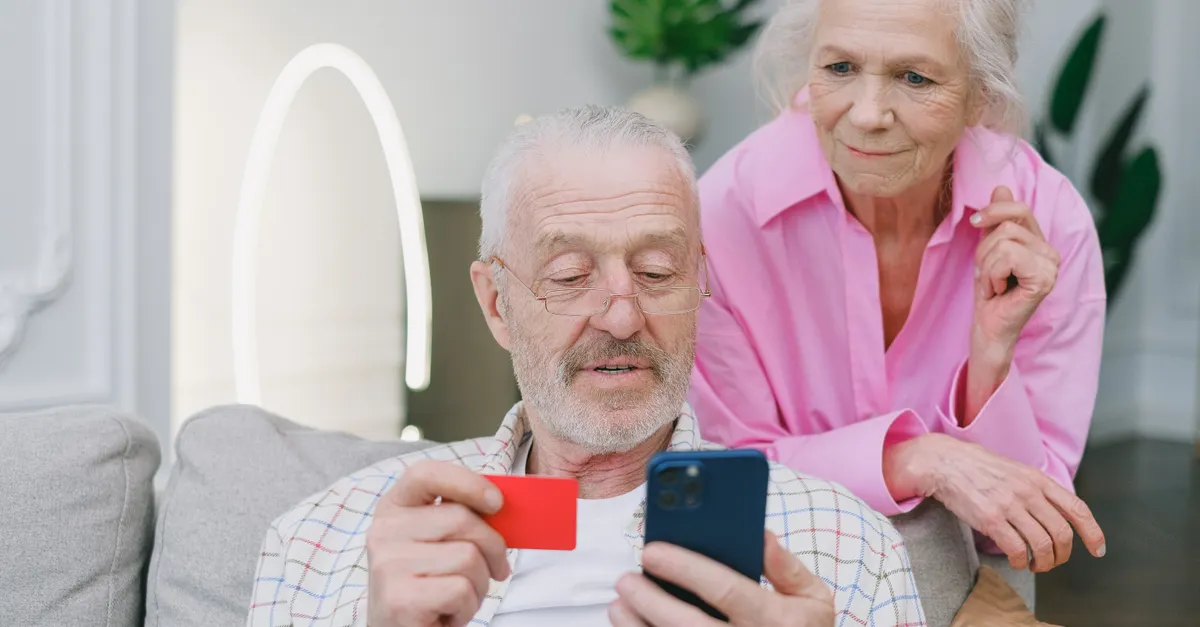
Ensuring a safe and secure living environment is essential for older adults who wish to maintain their independence and peace of mind. As individuals age, unique safety challenges can arise at home, from increased fall risks to the need for rapid emergency response. Modern advances in technology, combined with practical home modifications, offer a range of solutions specifically designed to address these concerns. Understanding the most effective security features for elderly homes can help families and caregivers make informed decisions that support both safety and autonomy.
Technological Solutions Tailored for Senior Safety
Advancements in home security systems have made it easier than ever to protect elderly residents. When evaluating options, it’s important to consider systems that are not only robust but also user-friendly and responsive to the specific needs of seniors.
Among the leading choices, ADT is known for its professional installation and absence of up-front costs, making it accessible for many families. According to a 2024 review by Security.org, ADT’s comprehensive packages include features such as 24/7 monitoring and emergency response integration, which are especially valuable for older adults who may need immediate assistance in case of an incident.
Other notable systems include SimpliSafe and Vivint. Both offer senior-friendly features like environmental sensors that detect smoke, carbon monoxide, or water leaks, as well as active deterrence options that can help prevent break-ins. These systems are designed for straightforward operation, often featuring large, clearly labeled buttons and voice prompts to reduce confusion.
For those considering a more flexible approach, best home security systems for elderly offers a detailed look at various systems, helping families compare ease of use, emergency integration, and affordability.
Key features to look for in any system include:
- Simple, intuitive controls suitable for those with limited dexterity or vision
- Emergency call buttons or wearable panic devices
- Integration with medical alert systems
- Remote monitoring capabilities for caregivers or family members
- Environmental sensors for fire, gas, or flood detection
Choosing a system that balances comprehensive protection with ease of use is critical for supporting aging in place.
Practical Home Safety Measures for Aging in Place
While technology plays a vital role, practical modifications and daily habits are equally important in reducing risks and enhancing security for seniors. Many hazards can be addressed with straightforward changes that make a significant difference in daily life.
According to the National Institute on Aging, installing a ramp with handrails at the front door greatly improves accessibility for those with mobility challenges. This simple addition can prevent dangerous falls and make entering or exiting the home much safer. Similarly, ensuring good lighting—particularly at the top and bottom of stairs—helps reduce the risk of tripping or missing a step, which is a common cause of injury among older adults.
Additional practical tips include:
- Adding grab bars in bathrooms and near stairs for extra support
- Removing loose rugs or clutter from walkways
- Securing cords and wires out of high-traffic areas
- Using non-slip mats in showers and tubs
- Regularly checking smoke and carbon monoxide detectors
These measures, combined with regular safety checks, can dramatically reduce the likelihood of accidents and provide reassurance to both seniors and their families.
How Security Technology Benefits Older Adults
The integration of smart home devices and modern security technology brings several advantages to elderly homeowners. Not only do these tools offer enhanced protection, but they also support independence and peace of mind.
Recent developments have made smart security devices more affordable and easier to use. Features such as motion detection, two-way audio, and remote access allow seniors and caregivers to monitor activity around the home without complicated setups. Many major brands now offer free local storage or cloud video services without additional fees, making these solutions more accessible.
Some of the key benefits include:
- Immediate alerts to caregivers or emergency services in case of unusual activity
- Ability to check in on loved ones remotely via smartphone apps
- Integration with medical alert systems for rapid emergency response
- Environmental monitoring for hazards like smoke, gas leaks, or flooding
- Deterrence of potential intruders through visible cameras and alarms
For seniors living alone, these technologies can make a substantial difference in daily comfort and safety. They also provide family members with reassurance, knowing that help is always within reach if needed.
Comparing Security Systems for Elderly Needs
When choosing a security system for elderly homes, it’s important to weigh several factors beyond basic protection. The best systems are those that combine reliability, ease of use, and affordability, while also addressing the unique needs of older adults.
| System | Ease of Use | Emergency Response | Affordability | Senior-Friendly Features |
|---|---|---|---|---|
| ADT | Professional setup, simple controls | 24/7 monitoring, rapid dispatch | No up-front costs, monthly fee | Wearable panic buttons, integration with medical alerts |
| SimpliSafe | DIY or professional install, intuitive app | Optional monitoring, fast response | Affordable equipment, flexible plans | Environmental sensors, large buttons |
| Vivint | Smart home integration, voice controls | 24/7 monitoring, smart notifications | Higher initial cost, advanced features | Active deterrence, easy-to-read displays |
Each of these systems offers a distinct set of advantages. ADT is ideal for those seeking professional support and minimal setup hassle. SimpliSafe provides flexibility and affordability, while Vivint excels in smart home integration and advanced deterrence features. When making a choice, consider the specific needs of the resident, such as mobility, comfort with technology, and the importance of rapid emergency response.
Challenges and Solutions in Implementing Security for Seniors
Implementing effective security in homes for the elderly comes with its own set of challenges. Some older adults may be hesitant to adopt new technology, while others may have physical or cognitive limitations that make certain devices difficult to use. Affordability is another concern, as not all seniors are able to invest in high-end systems.
To address these issues, it’s important to:
- Choose systems with simple interfaces and clear instructions
- Opt for devices with voice control or large, tactile buttons
- Seek out systems that offer professional installation and support
- Look for affordable options or plans with minimal up-front costs
- Involve seniors in the decision-making process to ensure comfort and confidence
By focusing on solutions that prioritize user-friendliness and accessibility, families can overcome many of the barriers to effective home security for older adults.
Conclusion: Supporting Independence and Safety Through the Right Features
Combining security features for elderly homes with practical safety measures creates a comprehensive approach to protecting older adults. The right mix of technology and home modifications not only reduces risks but also empowers seniors to live independently for longer. By carefully evaluating the options—whether it’s choosing a professionally installed system like ADT, adding motion sensor lights, or making simple adjustments like improved lighting and grab bars—families can create safer, more comfortable environments for their loved ones.
Ultimately, the goal is to provide peace of mind for both seniors and their families, ensuring that help is always available and that the home remains a secure place to age in place with dignity.
Frequently Asked Questions
What are the most important security features for elderly homes?
Key features include simple controls, emergency call buttons, integration with medical alert systems, environmental sensors, and remote monitoring. These elements help ensure rapid response and ease of use for older adults.
How does home security technology benefit seniors?
Modern security technology offers immediate alerts, remote monitoring, and integration with emergency services. These benefits enhance safety, support independence, and provide reassurance to both seniors and their caregivers.
Are there affordable options for home security systems for the elderly?
Yes, many systems like SimpliSafe offer affordable equipment and flexible plans. Major brands now provide free local or cloud storage, reducing ongoing costs and making advanced security features more accessible for seniors.