For many older adults, medical emergencies can happen unexpectedly and require swift action. Advances in remote health monitoring and emergency response systems are transforming how seniors receive care, especially during urgent situations. By leveraging technology to track vital signs and alert caregivers or emergency services when issues arise, these solutions offer peace of mind and the potential for better health outcomes. Understanding how these systems work, their benefits, and the challenges involved is essential for families, caregivers, and seniors themselves.
Understanding Remote Health Monitoring for Older Adults
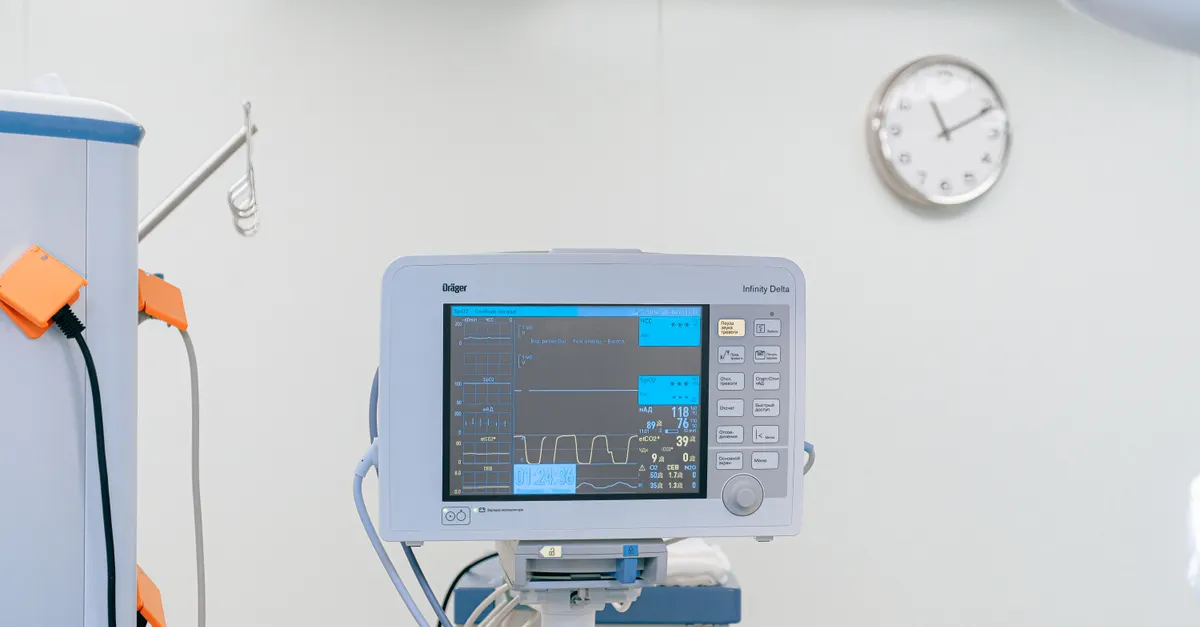
Remote health monitoring refers to the use of digital tools and devices to observe a person’s health status outside of traditional clinical settings. For seniors, this often means wearable devices or in-home sensors that continuously track vital signs such as heart rate, blood pressure, oxygen saturation, and even movement patterns. The collected data is transmitted securely to healthcare providers or family members, who can monitor trends and receive alerts if something unusual is detected.
This approach is particularly relevant for older adults, who may have chronic conditions or mobility limitations that make frequent clinic visits challenging. With remote monitoring, changes in health can be identified early, allowing for timely intervention and reducing the risk of complications.
Key Benefits for Seniors in Emergency Situations
The advantages of remote health monitoring and emergency response systems are especially significant for seniors. According to a systematic review published in 2024, remote patient monitoring has led to improved management of chronic diseases and a reduction in hospital admissions. These outcomes are crucial for older adults, who are more likely to experience health fluctuations and emergencies.
- Early Detection of Health Issues: Continuous monitoring allows for the identification of subtle changes in vital signs, which can signal the onset of a medical emergency such as a heart attack, stroke, or infection.
- Faster Emergency Response: Many systems are designed to automatically alert caregivers or emergency services if a critical threshold is crossed, ensuring help is dispatched quickly.
- Reduced Hospital Readmissions: By catching problems early and managing them at home, seniors are less likely to require repeat hospital stays. This not only improves quality of life but also reduces healthcare costs.
- Support for Independent Living: With reliable monitoring in place, seniors can maintain independence longer, knowing that help is available if needed.
For those recovering from surgery or managing complex health needs, integrating remote health monitoring for post-operative care can further enhance safety and support during vulnerable periods.
Technologies Powering Remote Monitoring and Emergency Alerts
Several types of technology are used to support remote health monitoring and emergency response for seniors:
- Wearable Devices: Items like smartwatches, fitness trackers, or medical-grade monitors can track heart rate, movement, and falls. Some even include built-in emergency buttons.
- In-Home Sensors: Motion detectors, bed sensors, and door alarms can identify unusual activity patterns or detect when a person has fallen or left the home unexpectedly.
- Telehealth Platforms: Secure online systems allow healthcare providers to review data, conduct virtual check-ins, and adjust care plans as needed.
- Automated Alert Systems: These connect directly to emergency response centers or designated contacts, ensuring that help is summoned promptly when an issue is detected.
Many of these devices are designed to be user-friendly, with simple interfaces and minimal setup required. However, it’s important to choose technology that matches the senior’s comfort level and cognitive abilities.
Challenges in Implementing Monitoring Systems for Seniors
While the benefits are clear, there are notable challenges in adopting remote health monitoring and emergency response solutions for older adults:
- Technology Adoption: Some seniors may find new devices intimidating or difficult to use, especially if they have limited experience with digital technology.
- Connectivity Issues: Reliable internet or cellular connections are necessary for real-time data transmission, which can be a barrier in rural or underserved areas.
- Cost Concerns: The price of devices, subscription services, and potential upgrades can add up, making affordability a concern for some families.
- Health Literacy: Understanding how to interpret alerts and when to seek help can be confusing without proper education and support.
To address these challenges, it’s helpful to involve seniors in the selection process, provide thorough training, and ensure ongoing technical support. Families and caregivers should also be prepared to assist with device setup and troubleshooting when needed.
Integrating Monitoring with Emergency Response Systems
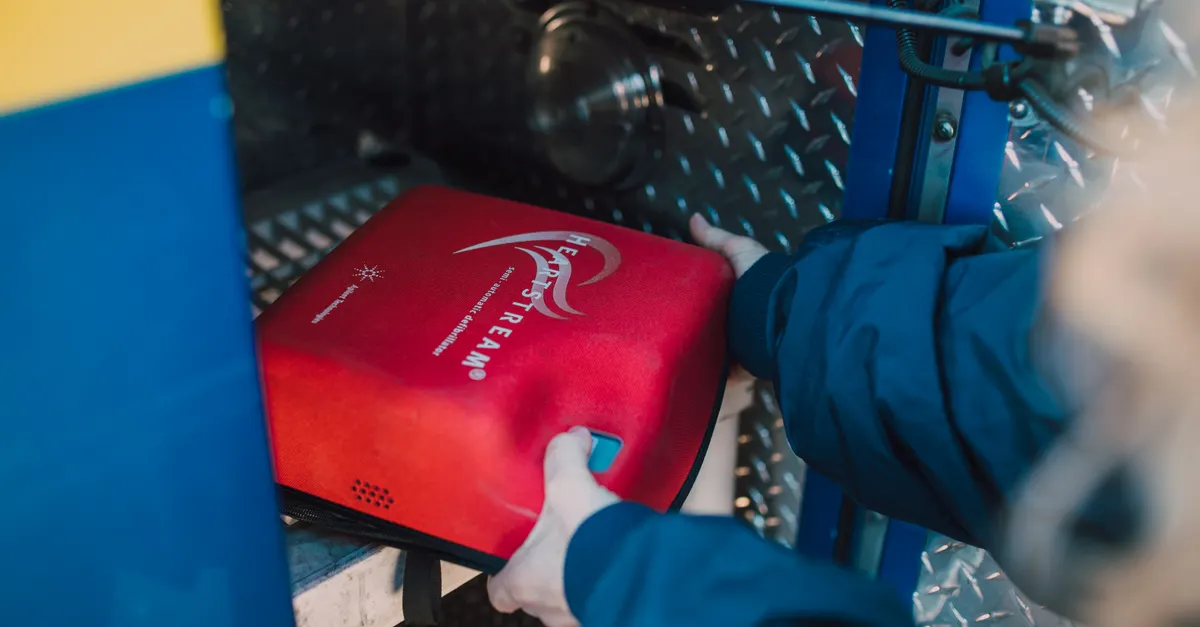
The most impactful use of remote health monitoring and emergency response comes from seamless integration with emergency services. This means that when a device detects a potential health crisis—such as a fall, abnormal heart rhythm, or sudden drop in oxygen levels—it can automatically notify the appropriate responders.
Integration can take several forms:
- Direct Connection to Emergency Services: Some systems are linked to 24/7 monitoring centers staffed by trained professionals who can assess the situation and dispatch help if needed.
- Family and Caregiver Alerts: In addition to professional responders, systems can notify family members or caregivers, allowing them to check in or provide immediate assistance.
- Data Sharing with Healthcare Providers: Real-time health data can be shared with doctors or nurses, enabling them to make informed decisions during emergencies and coordinate follow-up care.
This level of integration is especially important for seniors living alone or those with complex medical needs. It ensures that emergencies are not only detected but also acted upon quickly, potentially saving lives and reducing the severity of health events.
Addressing Privacy and Security Concerns
With the collection and transmission of sensitive health data, privacy and security are paramount. Seniors and their families may worry about who has access to their information and how it is protected. Common concerns include unauthorized data sharing, potential hacking, and misuse of personal health details.
To mitigate these risks:
- Choose reputable providers that comply with data protection regulations and use encryption to safeguard information.
- Review privacy policies to understand what data is collected, how it is used, and who can access it.
- Limit data sharing to only those directly involved in care or emergency response.
- Regularly update device software to patch security vulnerabilities.
For a deeper look at these issues, consider reading about remote health monitoring privacy concerns and how they specifically impact seniors.
Best Practices for Safe and Effective Setup
Setting up a remote monitoring system for a senior loved one should always prioritize safety and simplicity. Here are some best practices to follow:
- Consult Healthcare Professionals: Before choosing or installing any device, discuss options with a doctor or nurse to ensure the technology matches the individual’s medical needs.
- Start with a Pilot Period: Test the system for a few weeks to identify any usability issues or gaps in coverage.
- Provide Clear Instructions: Make sure the senior and their caregivers understand how the system works, what alerts mean, and how to respond.
- Regularly Review and Update: As health needs change, revisit the setup and adjust devices or alert settings accordingly.
- Maintain Open Communication: Keep family members, caregivers, and healthcare providers informed about the system and any changes to the care plan.
It’s also wise to avoid detailed DIY installations unless you have technical expertise. When in doubt, seek professional help to ensure devices are installed correctly and securely.
Conclusion: The Future of Monitoring and Emergency Response for Seniors
As healthcare technology continues to evolve, the integration of remote health monitoring and emergency response systems is set to play an even greater role in supporting seniors. These solutions offer a pathway to safer, more independent living by enabling early detection of health issues and rapid intervention during emergencies. However, it’s important to address challenges around technology adoption, privacy, and cost, and to involve healthcare professionals in every step of the process. With thoughtful implementation, remote monitoring can be a powerful tool for improving the well-being and safety of older adults.
Frequently Asked Questions
What is remote health monitoring and how does it work for seniors?
Remote health monitoring uses digital devices to track vital signs and health data outside of a hospital or clinic. For seniors, this often involves wearable devices or in-home sensors that send information to healthcare providers or caregivers, allowing for early detection of health issues and prompt response in emergencies.
How does remote monitoring reduce hospital readmissions for older adults?
By continuously tracking health metrics, remote monitoring can catch problems before they become severe. This proactive approach allows for early intervention, which helps manage chronic conditions and reduces the likelihood of hospital readmissions.
What are the main privacy risks with remote health monitoring for seniors?
The primary privacy risks include unauthorized access to personal health data, potential data breaches, and misuse of sensitive information. Choosing reputable providers, using encrypted devices, and limiting data sharing can help protect seniors’ privacy.