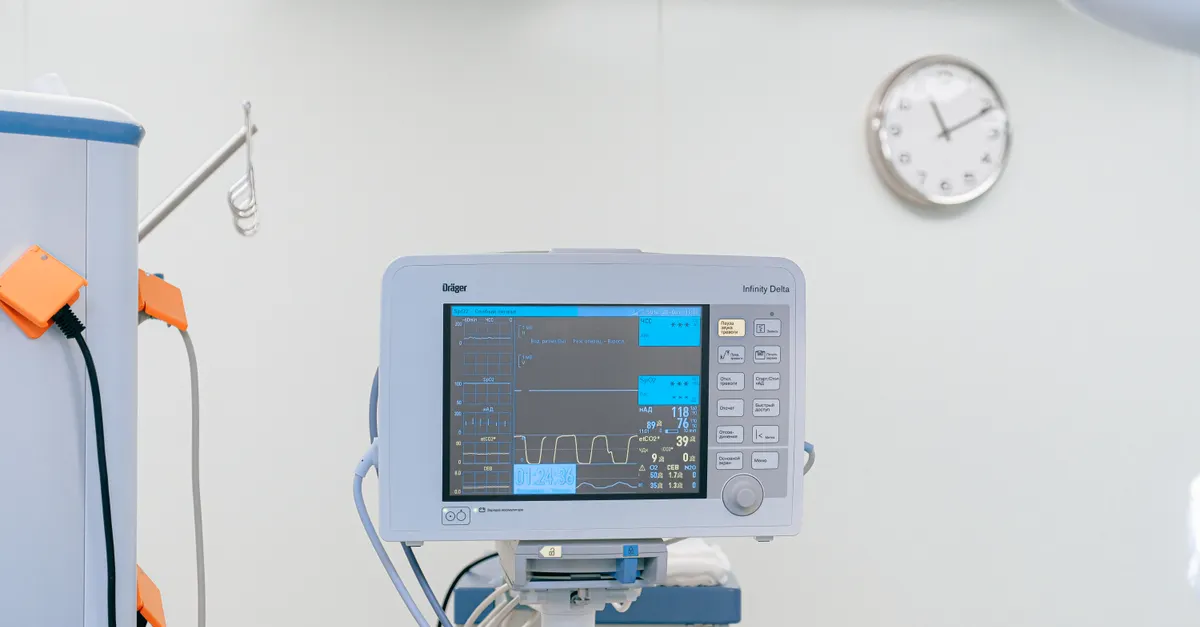
Seniors recovering from surgery often face unique challenges, including mobility limitations, increased risk of complications, and the need for close monitoring. In recent years, remote health monitoring for post-operative care has emerged as a promising approach to support recovery at home. By leveraging digital tools and connected devices, healthcare providers can track vital signs, symptoms, and activity levels from a distance, offering timely interventions and reassurance to both patients and their families. This article explores how remote monitoring benefits seniors after surgery, the technologies involved, potential limitations, and what the future may hold for this evolving field.
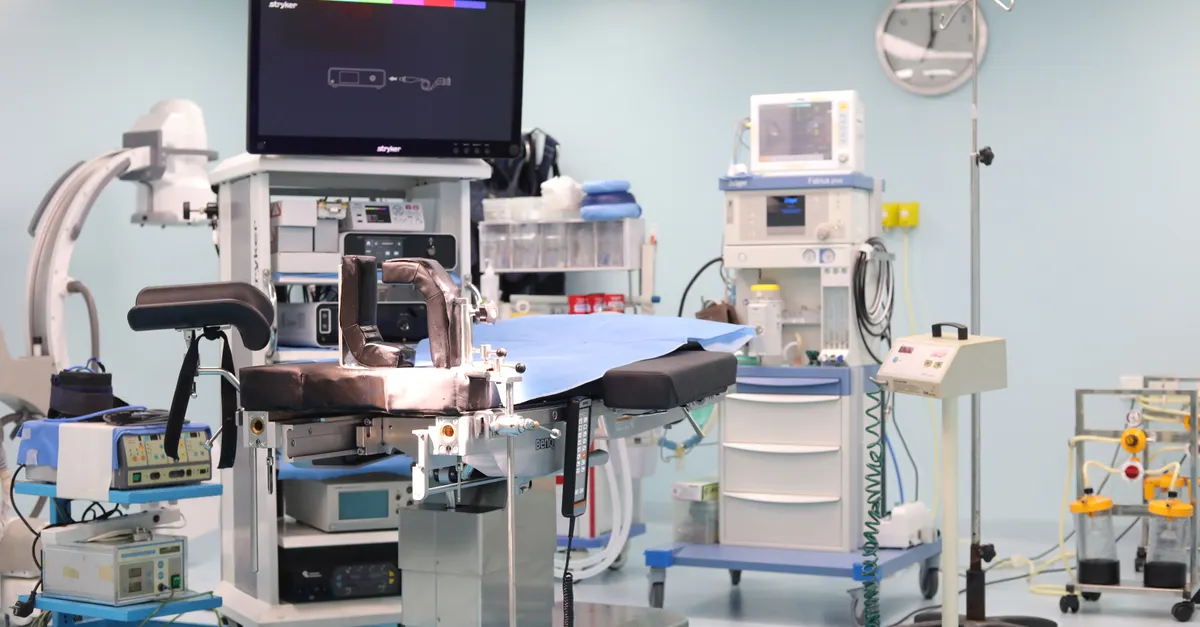
Understanding Remote Health Monitoring in Post-Surgical Recovery
Remote health monitoring refers to the use of digital technologies—such as wearable sensors, mobile applications, and telemedicine platforms—to collect and transmit health data from patients to healthcare professionals outside traditional clinical settings. In the context of post-operative care, this approach allows for continuous observation of a senior’s recovery process without requiring frequent in-person visits. Healthcare teams can review real-time updates on vital signs, wound healing, or medication adherence, enabling earlier detection of potential complications and more personalized support.
For seniors, who may have difficulty traveling to appointments or communicating subtle changes in their condition, remote monitoring offers a practical way to maintain oversight during the critical weeks following surgery. It acts as a bridge between hospital discharge and full recovery, helping to ensure that any warning signs are addressed promptly.
Key Benefits for Seniors Using Remote Health Monitoring
The advantages of remote health monitoring are particularly significant for older adults. Seniors often have multiple health conditions, slower healing rates, and a higher risk of post-surgical complications. Remote monitoring addresses these challenges in several ways:
- Reduced Hospital Readmissions: According to a 2024 study published in the National Institutes of Health database, remote patient monitoring (RPM) has been shown to lower the rate of readmissions and emergency visits within 30 days after discharge. This is crucial for seniors, as hospital readmissions can lead to further health decline and increased stress.
- Improved Recovery Outcomes: Research highlighted by the University of Miami Health System found that RPM contributed to a 6% greater functional recovery rate and fewer major complications for patients recovering from cancer surgery. While these findings apply broadly, seniors—who are more vulnerable to setbacks—stand to benefit the most from early intervention and consistent oversight.
- Enhanced Safety and Peace of Mind: With continuous monitoring, seniors and their caregivers gain reassurance that any concerning changes will be flagged quickly. This can reduce anxiety and help older adults feel more confident managing their recovery at home.
- Personalized Support: Remote health monitoring enables healthcare teams to tailor advice and interventions based on real-time data, rather than relying solely on scheduled check-ins or patient self-reporting. This individualized approach is especially valuable for seniors, whose recovery patterns may differ from younger adults.
For those weighing different care options, it’s helpful to compare remote health monitoring vs in-home care to determine which model best fits a senior’s needs and preferences.
Technologies Powering Remote Health Monitoring for Seniors
A range of digital tools and platforms make remote health monitoring possible. These technologies are designed to be user-friendly and accessible, even for seniors who may not be tech-savvy. Common components include:
- Wearable Devices: Devices such as wristband accelerometers can track movement, heart rate, and sleep patterns. These wearables help monitor mobility and detect falls or sudden changes in activity, which are critical indicators during post-operative recovery.
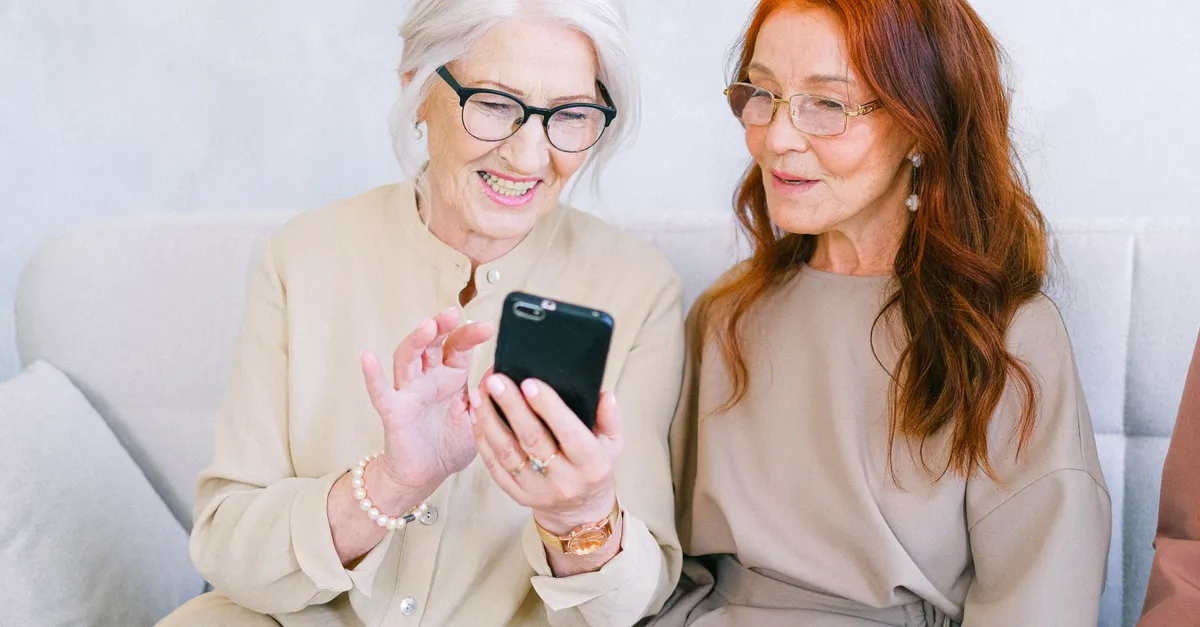
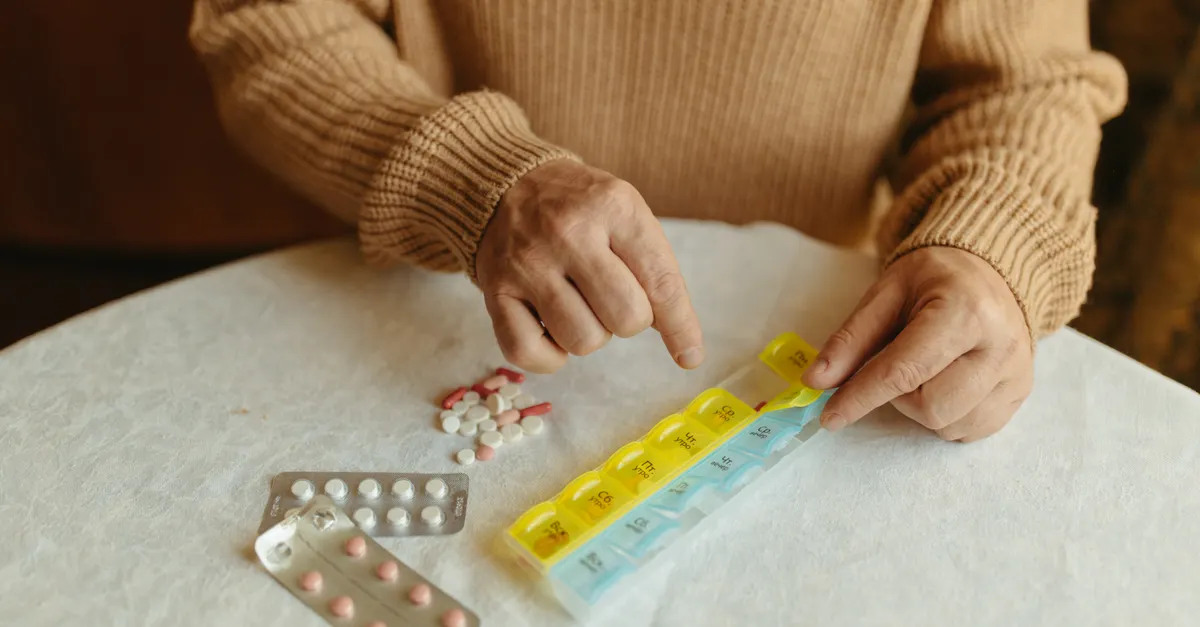
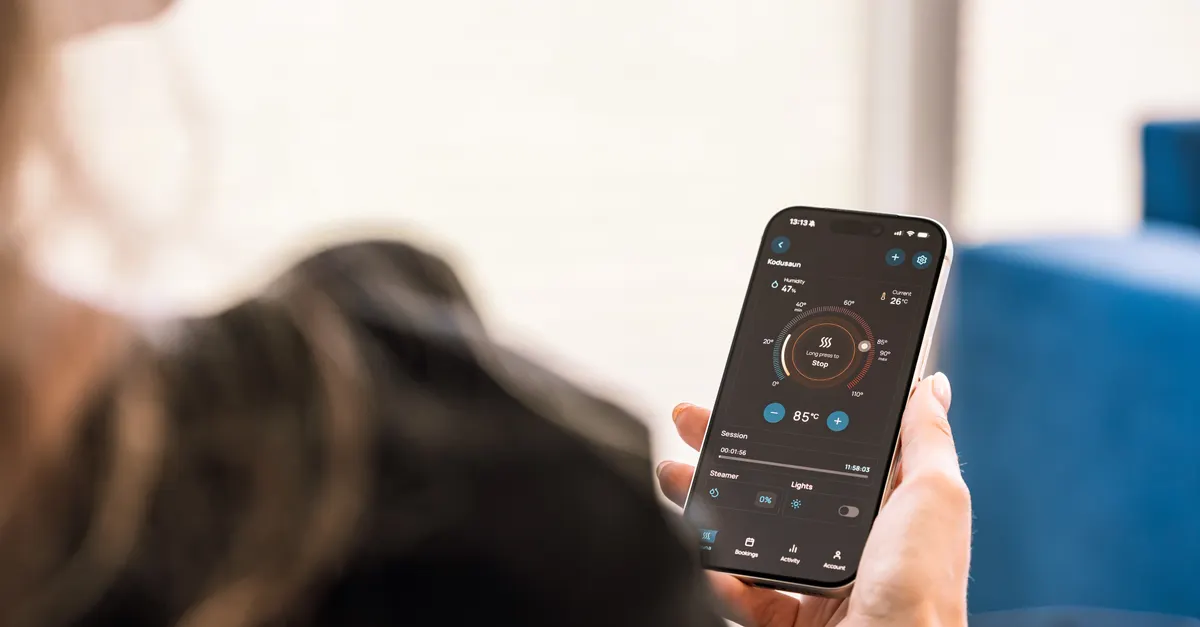
- Mobile Apps: Many remote monitoring systems use smartphone or tablet apps to collect patient-reported symptoms, medication reminders, and daily health check-ins. These apps often feature simple interfaces and large buttons for ease of use.
- Telemedicine Platforms: Video calls and secure messaging allow seniors to consult with their healthcare providers without leaving home. This is especially useful for routine follow-ups or addressing minor concerns that don’t require an in-person visit.
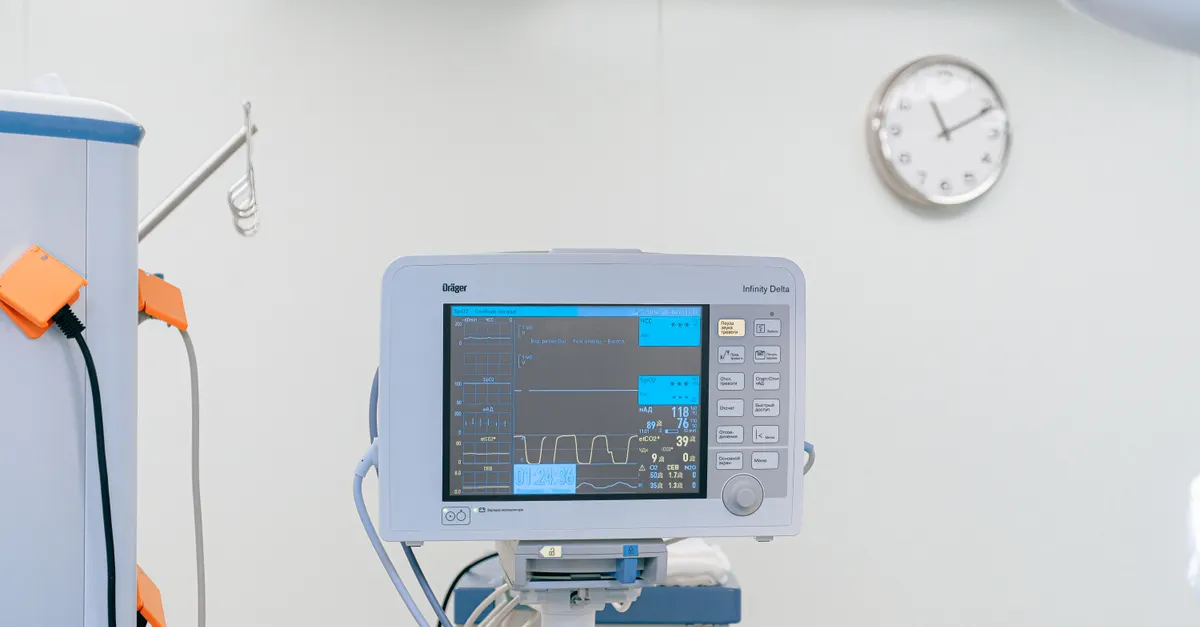
- Connected Medical Devices: Tools such as digital blood pressure monitors, pulse oximeters, and smart thermometers can transmit readings directly to healthcare teams. This reduces the need for manual record-keeping and ensures data accuracy.
The integration of these technologies creates a comprehensive picture of a senior’s recovery, enabling proactive care and timely adjustments to treatment plans. For those interested in exploring specific solutions, searching for wearable health monitors or digital blood pressure monitors can provide a sense of the available options.
Challenges and Limitations in Implementing Remote Monitoring
While the benefits are clear, remote health monitoring for post-operative care also presents several challenges, particularly for the senior population. Recognizing these limitations is essential for safe and effective use.
- Technology Barriers: Not all seniors are comfortable using digital devices or navigating mobile apps. Cognitive or sensory impairments can further complicate adoption, making it important to select user-friendly systems and provide adequate training.
- Connectivity Issues: Reliable internet access is necessary for real-time data transmission. Seniors living in rural or underserved areas may face difficulties maintaining consistent connectivity, which could impact the effectiveness of monitoring.
- Data Privacy Concerns: Sharing health information electronically raises questions about privacy and security. Seniors and their families should be informed about how data is protected and who has access to it. For a deeper look at this topic, see the discussion on remote health monitoring privacy concerns.
- Limited Scope of Monitoring: While remote systems can track many health indicators, they may not capture all aspects of recovery. Physical assessments, wound checks, and certain complications still require in-person evaluation by a healthcare professional.
It’s important to remember that remote health monitoring should complement, not replace, traditional medical care. Seniors and caregivers should always consult with their healthcare team if they notice new symptoms or have concerns about the recovery process.
Comparing Remote Monitoring to Traditional Post-Operative Care
Traditional post-operative care for seniors often involves scheduled clinic visits, phone check-ins, and home health services. Remote health monitoring introduces a new layer of oversight, but how does it stack up against established methods?
Pros
- Continuous, real-time tracking of health status
- Early detection of complications and prompt intervention
- Reduced need for travel and in-person appointments
- Greater convenience and independence for seniors
Cons
- Potential technology learning curve for older adults
- Reliance on internet connectivity and device maintenance
- Some aspects of care still require face-to-face assessment
Ultimately, the best approach may combine elements of both models. Remote monitoring can enhance traditional care by providing additional data and support, while in-person visits remain essential for comprehensive evaluation and hands-on treatment.
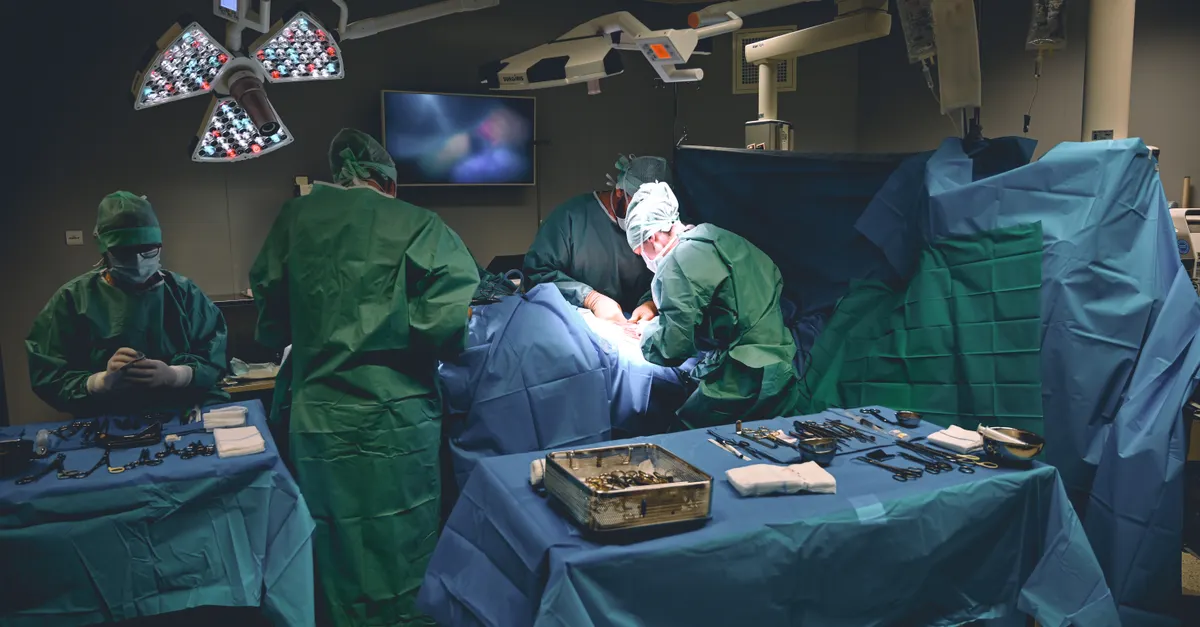
Looking Ahead: The Future of Remote Monitoring in Senior Recovery
As digital health technologies continue to advance, the role of remote health monitoring in post-operative care is likely to expand. For seniors, this means greater access to personalized, proactive support during recovery. Future developments may include more intuitive devices, improved integration with electronic health records, and broader use of artificial intelligence to identify subtle changes in health status.
Healthcare systems are increasingly recognizing the value of remote monitoring, not only for improving outcomes but also for reducing costs and easing the burden on hospitals. However, successful integration will require ongoing attention to accessibility, privacy, and the unique needs of older adults.
Seniors and their families interested in exploring these options should consult with their healthcare providers to determine whether remote monitoring is appropriate for their specific situation. It’s also helpful to review best remote health monitoring services to find solutions that align with individual preferences and capabilities.
Frequently Asked Questions
What types of data are typically monitored after surgery?
Commonly tracked information includes vital signs (such as heart rate, blood pressure, and temperature), physical activity levels, medication adherence, and patient-reported symptoms. Some systems also monitor wound healing progress or detect falls using wearable sensors.
Is remote health monitoring safe for all seniors?
Remote monitoring is generally safe when implemented with appropriate oversight and clear communication between patients, caregivers, and healthcare providers. However, it may not be suitable for seniors with severe cognitive impairment, complex medical needs, or those unable to use the required technology. Always consult with a healthcare professional before starting any new monitoring system.
How do I choose the right remote monitoring solution for my needs?
Consider factors such as ease of use, compatibility with existing devices, data privacy features, and the level of support provided by the service. It’s also important to involve healthcare providers in the decision, as they can recommend solutions that best fit the senior’s medical condition and recovery goals.