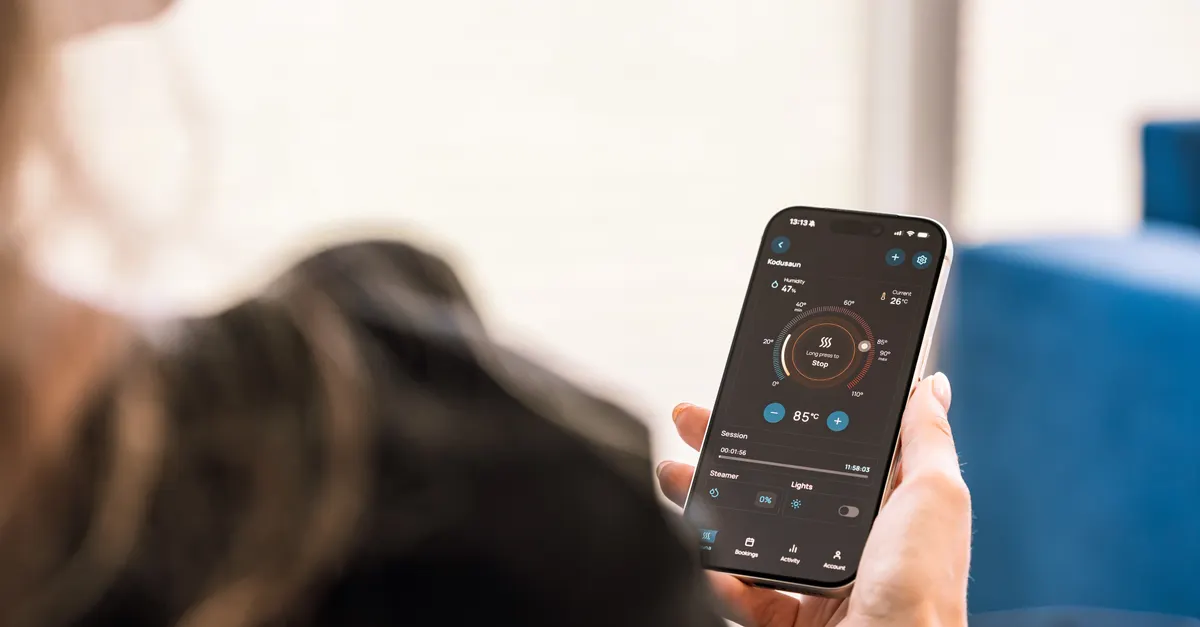
Remote health monitoring has become a significant part of senior care, offering new ways for older adults to manage their health from home. As these technologies become more common, understanding remote health monitoring user experiences is crucial for families, caregivers, and healthcare professionals. This article explores the real-world benefits, challenges, and feedback from seniors using these devices, highlighting what works well and where improvements are needed.
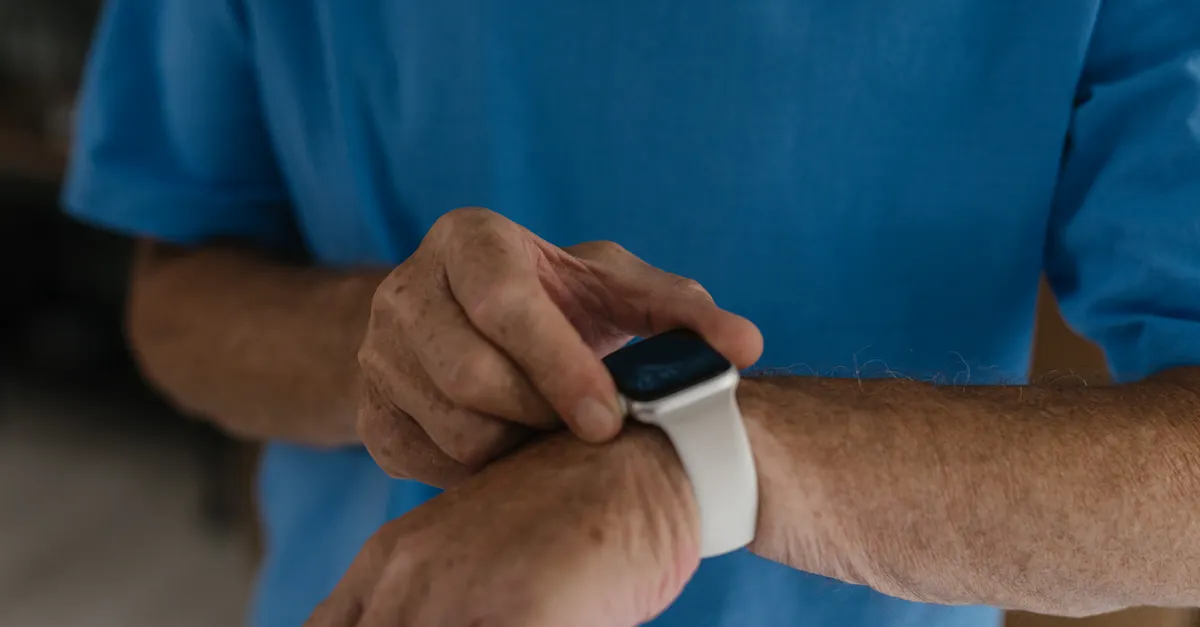
How Remote Health Monitoring Impacts Seniors’ Daily Lives
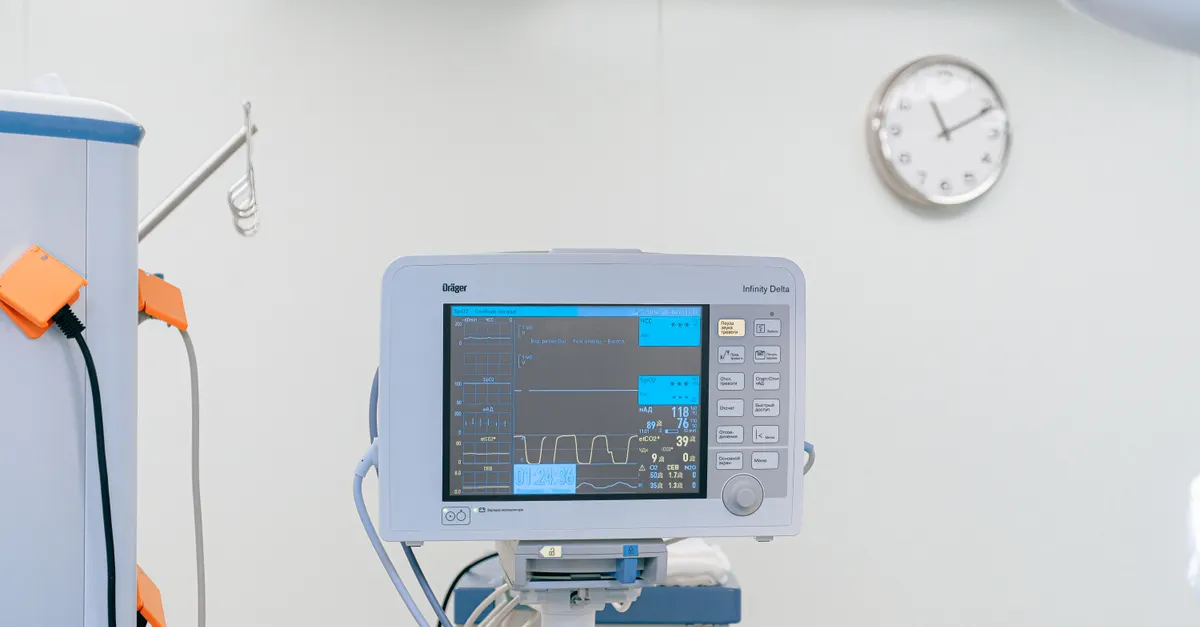
Remote health monitoring refers to the use of digital tools—such as wearable devices, sensors, and telehealth platforms—that allow healthcare providers to track a patient’s health data outside traditional clinical settings. For seniors, these technologies can mean more independence, better management of chronic conditions, and peace of mind for both themselves and their families. However, the actual experiences of seniors using these systems reveal a mix of positive outcomes and ongoing challenges.
Key Benefits Reported by Seniors
Many older adults have found that remote health monitoring brings several advantages to their daily routines. According to a systematic review of practitioner perspectives, some of the most significant benefits include continuous monitoring and improved self-care. Seniors often mention the following positive experiences:
- Continuous Health Tracking: Devices such as blood pressure monitors and wearable heart rate trackers provide ongoing data, helping seniors and their healthcare teams spot trends or issues early.
- Greater Independence: With remote monitoring, seniors can manage certain aspects of their health at home, reducing the need for frequent clinic visits.
- Peace of Mind for Families: Family members appreciate being able to check in on their loved ones’ health remotely, which can ease anxiety and support aging in place.
- Better Communication with Providers: Sharing real-time data with healthcare professionals can lead to more informed decisions and timely interventions.
- Encouragement for Healthy Habits: Many seniors find that seeing their health data motivates them to stay active, take medications on time, and follow care plans.
These benefits are especially valuable for seniors managing chronic conditions like diabetes or heart disease. The ability to track metrics and communicate changes quickly can help prevent complications and hospitalizations, as highlighted in research on remote health monitoring.
Challenges Seniors Face with Remote Health Monitoring
Despite the advantages, seniors often encounter obstacles when using remote health monitoring devices. The same systematic review that highlights the benefits also points to several challenges, including increased workload and privacy concerns. Seniors’ feedback commonly includes:
- Technology Disorientation: Many older adults are not familiar with smartphones, apps, or wearable devices, making setup and daily use confusing or frustrating.
- Device Reliability: Issues such as battery life, connectivity problems, or inaccurate readings can undermine trust in the technology.
- Information Overload: Some seniors feel overwhelmed by the amount of health data presented, unsure of what is important or how to interpret changes.
- Privacy and Security Concerns: Worries about who can access their health information, and how it is stored or shared, are common among older users.
- Physical Limitations: Arthritis, vision loss, or dexterity issues can make it difficult to operate small devices or read screens.
These challenges highlight the importance of user-friendly design and clear instructions. Seniors often report that having support from family or caregivers makes a significant difference in their ability to use remote health monitoring tools successfully.
Feedback from Seniors: Real-World User Experiences
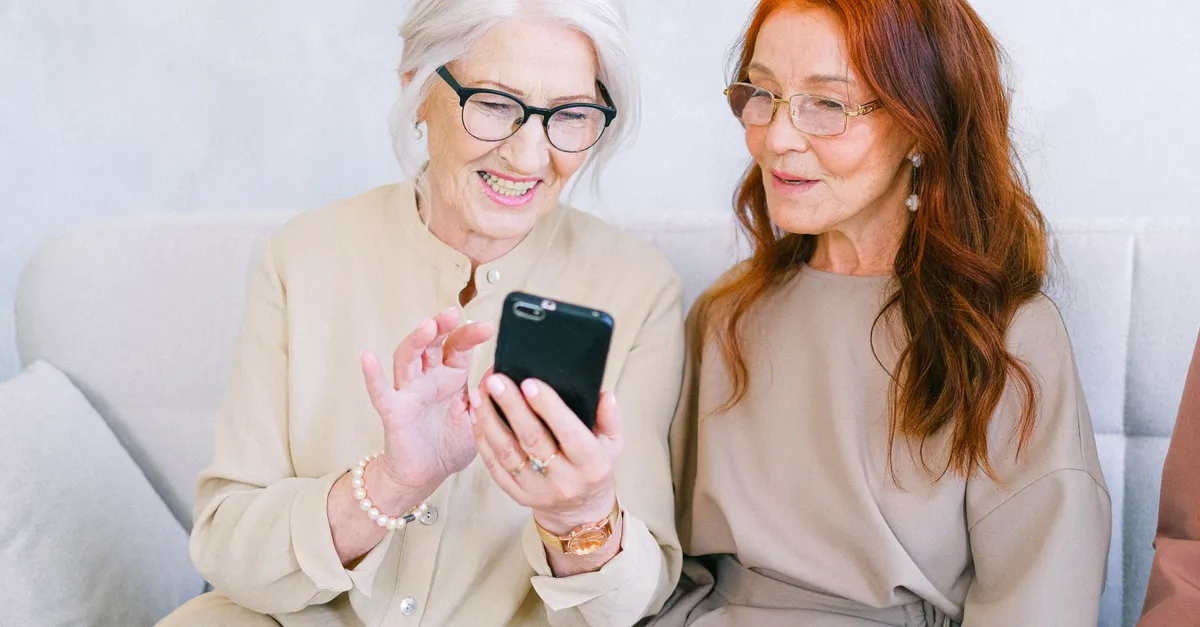
Direct feedback from seniors shows a wide range of experiences with remote health monitoring. Some users quickly adapt and appreciate the added control over their health, while others struggle with the technology or feel anxious about constant monitoring. Common themes in user experiences include:
- Learning Curve: Seniors who receive hands-on training or step-by-step guidance tend to have a more positive experience and are more likely to stick with the technology.
- Sense of Security: Many users feel safer knowing that their health data is being monitored, especially if they live alone or have a history of medical emergencies.
- Desire for Simplicity: Seniors consistently request devices that are easy to use, with large buttons, clear displays, and minimal setup steps.
- Mixed Feelings About Alerts: While some appreciate reminders and alerts, others find frequent notifications stressful or intrusive.
For those considering these devices, reading remote health monitoring devices reviews from other seniors can provide valuable insight into which products are most user-friendly and reliable.
Healthcare Provider Perspectives on Remote Monitoring for Seniors
Healthcare professionals generally view remote health monitoring as a valuable tool for managing senior patients. According to a systematic review, providers appreciate the ability to monitor patients continuously and support self-care education. However, they also recognize the challenges, such as increased workload and the need for additional training to interpret data from multiple devices.
Providers note that remote monitoring can lead to earlier interventions and fewer hospitalizations, especially for seniors with complex health needs. They also emphasize the importance of integrating these technologies into existing care plans and ensuring that seniors understand how to use them effectively.
- Pros:
- Improved chronic disease management
- Faster response to health changes
- Enhanced patient engagement
- Cons:
- Potential for increased workload
- Need for technical support and training
- Risk of data overload
Healthcare providers often recommend that seniors and their families choose devices that are certified for accuracy and offer clear support channels.
Addressing Privacy and Security Concerns
Privacy and data security are top concerns for many seniors considering remote health monitoring. The systematic review highlights that privacy concerns are a significant barrier to adoption, especially among older adults who may be less familiar with digital technology.
Common privacy and security worries include:
- Who has access to their health data
- How data is stored and protected
- Potential misuse of personal information
To address these concerns, it’s important to choose devices and platforms that comply with healthcare privacy regulations and offer transparent data policies. Seniors should be encouraged to ask questions about how their information is used and to review device privacy settings with the help of a trusted family member or healthcare provider. For more on this topic, see our guide on remote health monitoring privacy concerns.
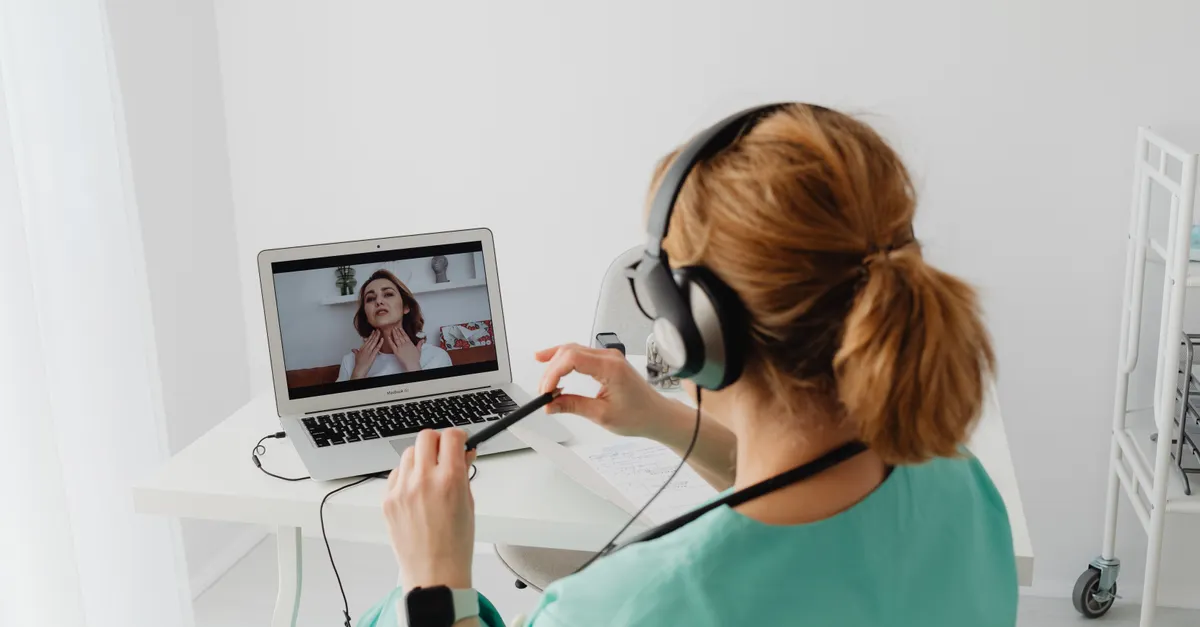
Conclusion: What Seniors and Families Should Know
Understanding remote health monitoring user experiences is essential for making informed decisions about senior care. While these devices offer clear benefits—such as improved health management, independence, and peace of mind—they also present challenges related to technology use, privacy, and accessibility. Listening to the feedback and real-world experiences of seniors can guide families and healthcare providers in selecting the most suitable solutions and ensuring successful adoption.
As remote health monitoring continues to evolve, focusing on user-friendly design, robust privacy protections, and ongoing support will be key to maximizing the benefits for older adults.
Frequently Asked Questions
What are the main benefits of remote health monitoring for seniors?
The primary advantages include continuous health tracking, greater independence, improved communication with healthcare providers, and peace of mind for families. These tools can help seniors manage chronic conditions more effectively and reduce unnecessary clinic visits.
What challenges do seniors commonly face with remote health monitoring devices?
Seniors often experience difficulties with technology setup, device reliability, information overload, and privacy concerns. Physical limitations, such as poor vision or dexterity, can also make using these devices more challenging.
How can privacy and security concerns be addressed for seniors using remote health monitoring?
Choosing devices that comply with healthcare privacy standards and offer clear data protection policies is essential. Seniors should review privacy settings with a trusted person and ask providers about how their information is stored and shared.