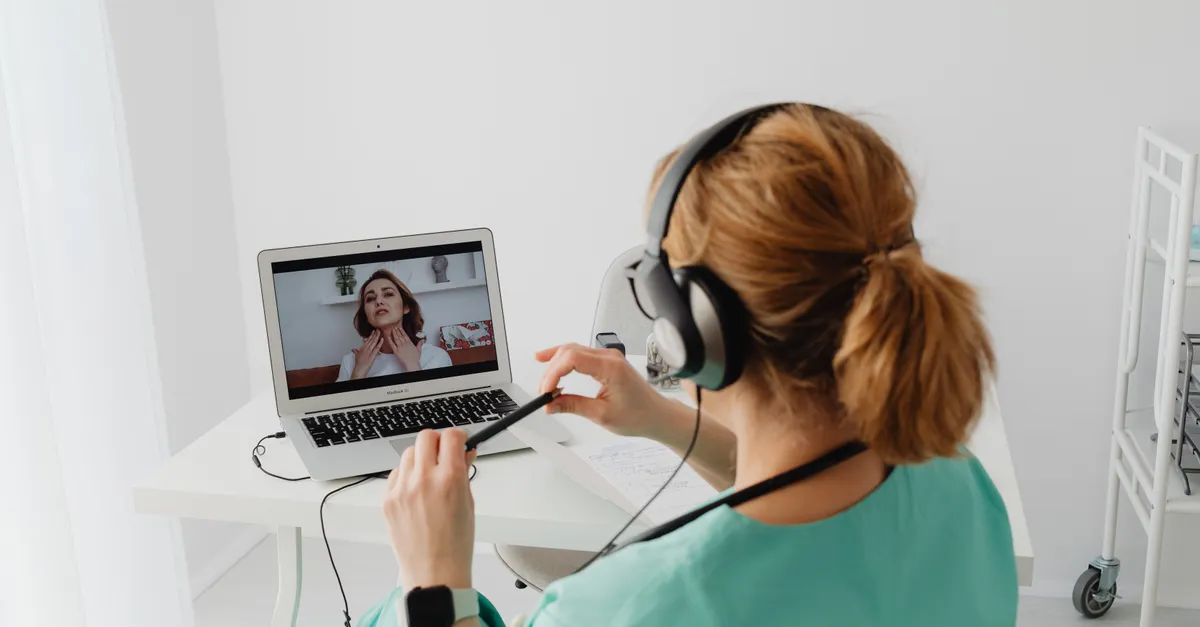
Remote health monitoring has become a vital tool for supporting seniors who wish to maintain independence while managing their health conditions. As more families and healthcare providers turn to digital solutions, concerns about privacy and the security of sensitive health data have grown. Understanding the unique privacy risks associated with these technologies is essential for seniors, caregivers, and anyone involved in their care. This article explores the most pressing remote health monitoring privacy concerns, the regulatory landscape, and practical steps to protect personal information.
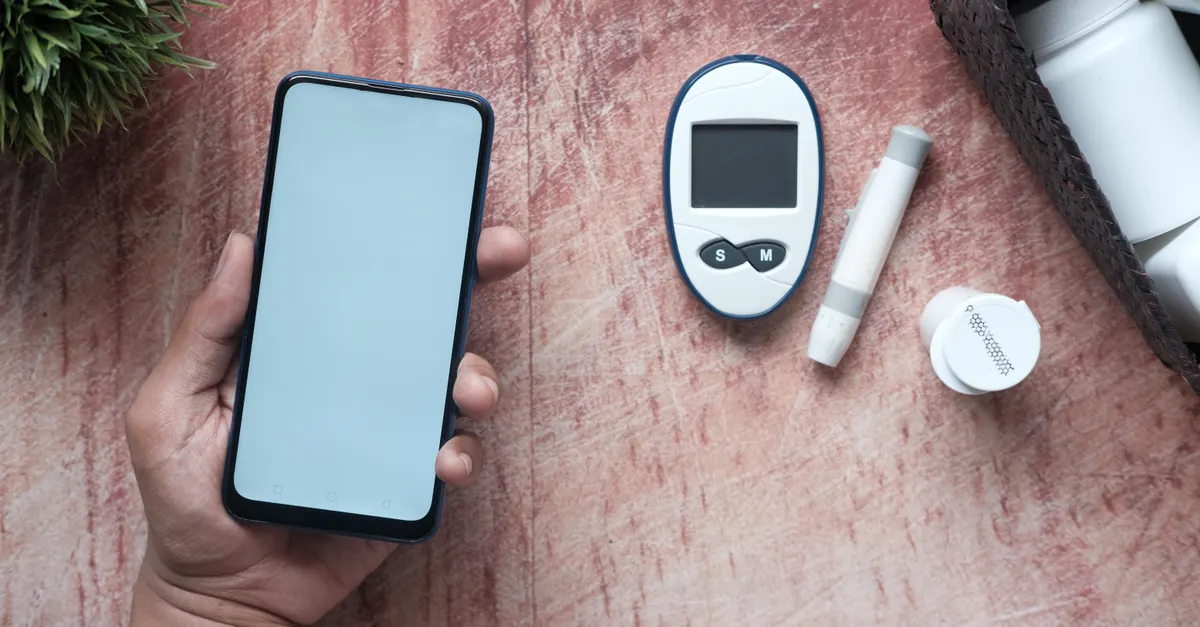
What Remote Health Monitoring Means for Seniors
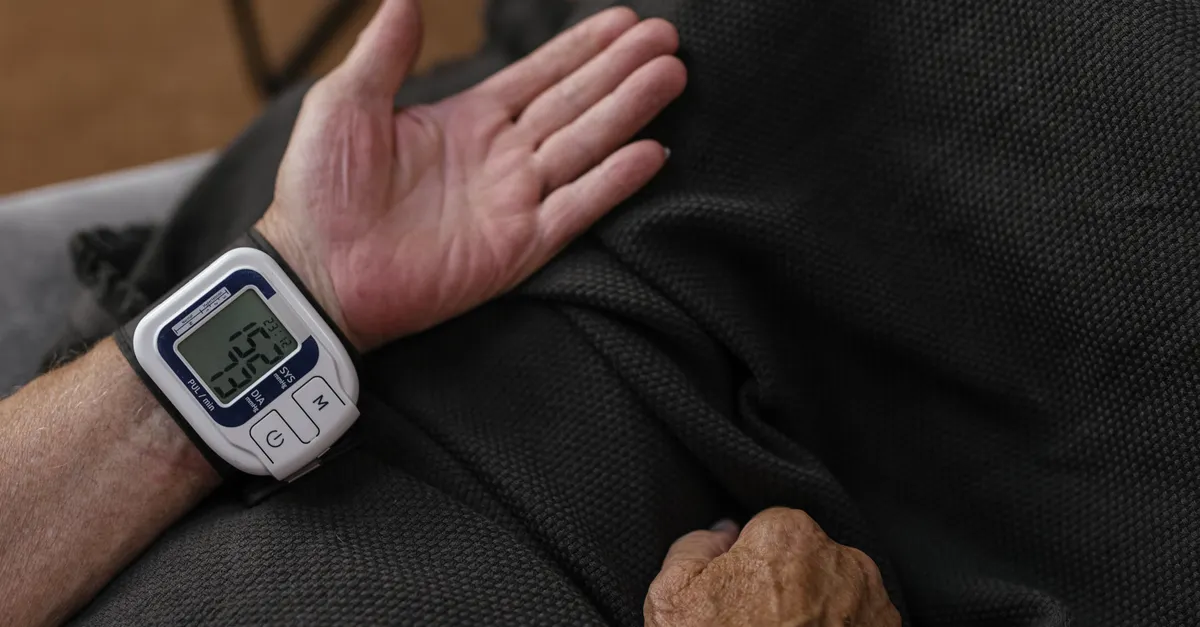
Remote health monitoring refers to the use of digital devices—such as wearable sensors, smart scales, and connected medical equipment—to track health metrics outside traditional clinical settings. For seniors, these systems can monitor vital signs, detect falls, and provide alerts for medication adherence. The benefits are significant: improved health outcomes, greater autonomy, and peace of mind for families. However, the collection and transmission of health data introduce new privacy challenges that must be addressed to ensure seniors’ trust and safety.
Key Privacy Issues in Remote Health Monitoring
The adoption of wearable devices and connected health platforms has raised ethical and practical concerns about how personal health data is handled. According to research from Brown University, wearable digital health technology raises ethical concerns regarding data protection and privacy due to unauthorized access and misuse of personal health data. The main privacy issues include:
- Unauthorized Data Access: Health data may be accessed by individuals or organizations without the user’s consent, leading to potential misuse.
- Data Breaches: Cyberattacks targeting health monitoring systems can result in the exposure of sensitive information.
- Inadequate Data Encryption: If data is not properly encrypted during transmission or storage, it becomes vulnerable to interception.
- Secondary Use of Data: Health information might be shared with third parties, such as insurers or marketers, without clear consent.
- Long-Term Data Storage: The indefinite retention of health records increases the risk of future privacy violations.
For seniors, these risks are particularly concerning because they may not always be aware of how their data is collected, stored, or shared. The complexity of privacy policies and consent forms can further complicate their ability to make informed decisions.
Regulatory Protections and Compliance Standards
To address privacy risks, several regulations govern the collection and use of health data in remote monitoring systems. In the United States, the Health Insurance Portability and Accountability Act (HIPAA) sets standards for protecting sensitive patient information. HIPAA requires that healthcare providers and their partners implement safeguards to ensure the confidentiality, integrity, and security of health data.
Similarly, the General Data Protection Regulation (GDPR) in the European Union provides strict guidelines on the processing of personal data, including health information. These regulations mandate:
- Obtaining explicit consent before collecting or sharing health data
- Allowing individuals to access, correct, or delete their data
- Implementing technical and organizational measures to protect data
As highlighted in a 2025 article by the National Rural Health Association, remote monitoring systems must comply with regulations like HIPAA to ensure data security and privacy. For seniors, regulatory compliance means their rights are protected by law, but understanding these protections can be challenging. It’s important for caregivers and seniors to ask providers about their compliance with HIPAA, GDPR, or other relevant standards.
Unique Privacy Challenges Faced by Seniors
While privacy concerns affect all users of remote health monitoring, seniors encounter distinct obstacles:
- Technological Literacy: Many older adults may struggle to understand device settings, privacy controls, or the implications of data sharing.
- Informed Consent: Seniors may find it difficult to interpret complex privacy policies or may inadvertently agree to terms they do not fully grasp.
- Physical and Cognitive Limitations: Visual impairments, memory issues, or dexterity challenges can hinder their ability to manage privacy settings or recognize suspicious activity.
- Reliance on Caregivers: Seniors often depend on family members or professional caregivers to set up and manage devices, which can blur the lines of consent and data ownership.
- Trust in Technology: Some seniors may be unaware of the risks or overly trustful of technology, making them more vulnerable to privacy breaches.
These challenges underscore the need for tailored solutions that address the specific needs of older adults. For example, simplifying privacy settings, using clear language in consent forms, and providing hands-on support can empower seniors to take control of their health information.
Best Practices for Protecting Privacy in Remote Health Monitoring
To mitigate remote health monitoring privacy concerns, both seniors and caregivers can adopt several best practices:
- Choose Reputable Providers: Select health monitoring systems from companies with a strong track record of data security and transparent privacy policies. Look for products that clearly state their compliance with HIPAA or GDPR.
- Understand Consent and Data Sharing: Take time to review privacy policies and consent forms. If possible, involve a trusted family member or advocate to help interpret the terms and settings.
- Enable Strong Security Features: Use devices that offer robust security options, such as two-factor authentication, encrypted data transmission, and automatic software updates.
- Limit Data Collection: Only provide the minimum necessary information required for monitoring. Disable features that collect unnecessary data or share information with third parties.
- Regularly Review Device Settings: Periodically check privacy and security settings on all devices. Update passwords and review who has access to the data.
- Educate and Support Seniors: Offer training and resources to help seniors understand how their devices work and what steps they can take to protect their privacy.
- Monitor for Unusual Activity: Be alert for signs of unauthorized access or suspicious activity, such as unexpected emails or notifications about data use.
For more information on how remote monitoring can support seniors in specific scenarios, such as remote health monitoring for fall prevention, explore resources that address both safety and privacy.
Designing Senior-Friendly Privacy Solutions
Developers and healthcare providers can take proactive steps to make privacy protection more accessible for seniors:
- User-Centered Design: Create interfaces with large text, simple navigation, and clear instructions.
- Transparent Communication: Use plain language to explain what data is collected, how it is used, and who can access it.
- Customizable Privacy Controls: Allow users or their designated caregivers to easily adjust privacy settings and permissions.
- Accessible Support: Provide customer service options tailored to seniors, such as phone support or in-person assistance.
By prioritizing these features, technology providers can help seniors feel more confident in using remote health monitoring systems while maintaining control over their personal information.
Conclusion: Prioritizing Privacy for Senior Well-Being
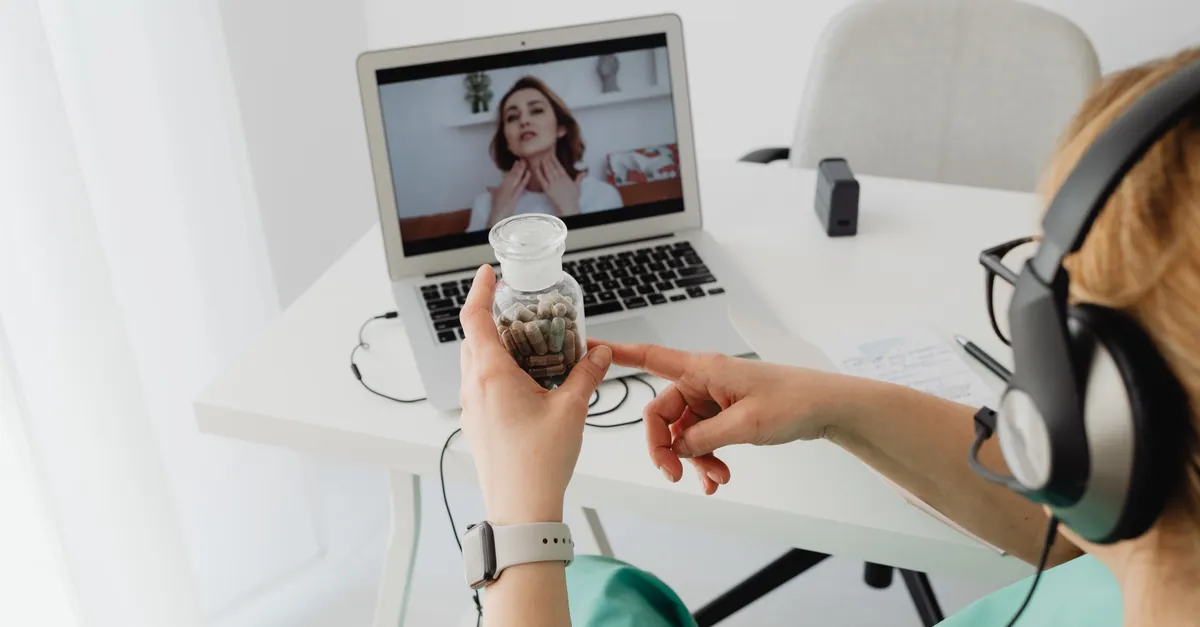
As remote health monitoring becomes more common among older adults, addressing privacy concerns is essential for building trust and encouraging adoption. Seniors face unique challenges—from understanding complex technology to managing consent—that require thoughtful solutions and ongoing support. By following best practices, staying informed about regulatory protections, and choosing systems designed with seniors in mind, families and providers can help safeguard sensitive health information. Protecting privacy is not just a technical issue; it is a matter of dignity and autonomy for seniors as they embrace digital health tools.
Frequently Asked Questions
What are the biggest privacy risks for seniors using remote health monitoring?
The main risks include unauthorized access to health data, data breaches, and the potential misuse of personal information by third parties. Seniors may also face challenges understanding privacy settings or consent forms, increasing their vulnerability.
How do regulations like HIPAA and GDPR protect seniors’ health data?
HIPAA and GDPR set strict standards for how health information is collected, stored, and shared. They require organizations to obtain consent, implement security measures, and give individuals control over their data. These regulations help ensure that seniors’ health information is handled responsibly.
What steps can seniors and caregivers take to enhance privacy?
Seniors and caregivers should choose reputable monitoring providers, review privacy policies carefully, enable security features, limit unnecessary data sharing, and regularly check device settings. Education and support are also key to helping seniors manage their privacy effectively.