Choosing the right stamping press is a critical decision for manufacturers working with metal forming and fabrication. The differences between hydraulic and mechanical stamping presses directly impact production speed, part quality, maintenance, and long-term costs. Understanding how each type of press operates, along with their strengths and limitations, helps ensure the best fit for your application—whether you’re producing automotive components, appliance parts, or custom metalwork.
This article breaks down the main distinctions between these two press technologies, covering their working principles, performance characteristics, and typical use cases. If you’re looking to optimize your shop floor or simply want to make an informed investment, a clear grasp of these variations is essential. For those interested in broader process optimization, you may also find value in learning how to handle coil stock for stamping safely and efficiently.
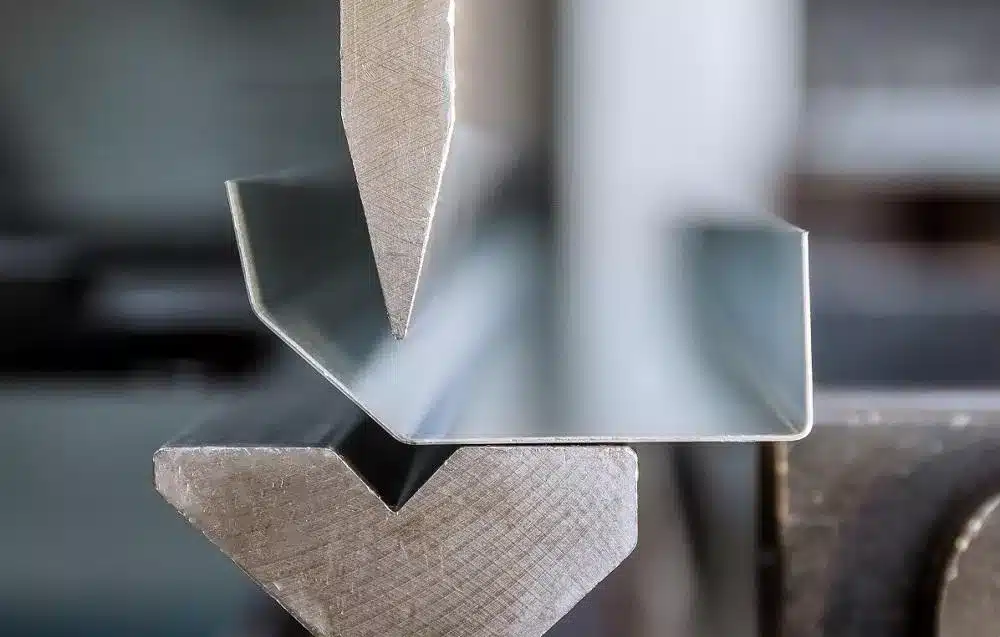
How Hydraulic and Mechanical Presses Operate
The main distinction between these two types of presses lies in their drive mechanisms. A hydraulic press uses fluid pressure to move the ram, while a mechanical press relies on mechanical linkages powered by a flywheel and clutch system.
- Hydraulic presses use a hydraulic cylinder filled with oil. When the operator activates the press, a pump forces oil into the cylinder, pushing the ram down with controlled force and speed.
- Mechanical presses convert the rotational energy of a flywheel into linear motion through a crankshaft or toggle mechanism. This produces a fixed stroke and rapid cycling.
These fundamental differences in operation lead to significant variations in performance, control, and suitability for specific tasks.
Performance and Application Differences
When comparing hydraulic and mechanical stamping presses, several key performance factors stand out:
Speed and Productivity
Mechanical presses are generally faster, making them ideal for high-volume production runs. Their fixed stroke and rapid cycling allow for quick part output, which is why they are commonly used in automotive and appliance manufacturing.
Hydraulic presses, on the other hand, operate at slower speeds. However, they offer greater flexibility in stroke length and force, making them suitable for jobs that require precision forming, deep drawing, or complex part geometries.
Control and Versatility
One of the most significant differences between hydraulic and mechanical stamping presses is the level of control. Hydraulic machines allow operators to adjust both the force and the speed throughout the stroke. This makes them highly adaptable for a wide range of materials and thicknesses.
Mechanical presses have a fixed stroke and force profile, which can limit their use to more uniform, repetitive tasks. While they excel at simple blanking, punching, and shallow forming, they are less suited for applications that demand variable force or deep draws.
Maintenance and Longevity
Hydraulic presses have fewer moving parts and experience less wear and tear on their drive systems. However, they require regular maintenance of seals, hoses, and hydraulic fluids. Mechanical presses, while robust, can require more frequent attention to clutches, brakes, and bearings due to the high-speed, repetitive motion.
Energy Efficiency and Operating Costs
Energy consumption is another important consideration. Mechanical presses are typically more energy-efficient during continuous, high-speed runs, as the flywheel stores and releases energy with minimal loss. Hydraulic presses may consume more power, especially if they are left idling or if the pump runs continuously.
Operating costs also differ. Hydraulic presses often have lower initial purchase prices and can be more affordable for low- to medium-volume production. Mechanical presses, while more expensive upfront, can offer lower cost per part in high-volume settings due to their speed and efficiency.
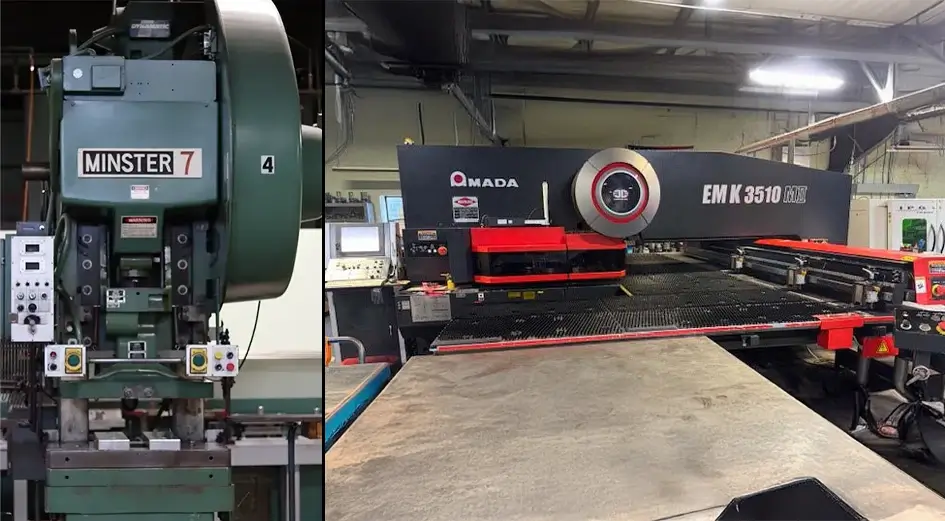
Precision, Safety, and Quality Considerations
For applications that demand high precision, such as deep drawing or forming intricate shapes, hydraulic presses have the advantage. Their ability to apply consistent force throughout the stroke reduces the risk of material tearing or wrinkling. This makes them a preferred choice for aerospace, medical, and custom fabrication industries.
Mechanical presses, while fast, can sometimes cause more vibration and noise, which may affect part quality or operator comfort. Proper setup and maintenance are essential to ensure consistent results.
Safety is paramount in any stamping operation. Both press types require robust safety measures, including guards, light curtains, and emergency stops. For a comprehensive overview of best practices, refer to this guide to safety precautions for metal stamping machinery.
Typical Use Cases and Industry Preferences
The choice between hydraulic and mechanical presses often comes down to the specific requirements of the production environment:
- Hydraulic presses are favored for low- to medium-volume runs, jobs requiring variable force, deep drawing, and forming thick or high-strength materials.
- Mechanical presses are the go-to solution for high-volume, repetitive tasks such as blanking, punching, and shallow forming of thin materials.
Some manufacturers use both types of presses on the same shop floor to cover a wider range of part geometries and production needs. For those seeking to further optimize their processes, exploring steel stamping thermal management strategies can help improve both quality and equipment longevity.
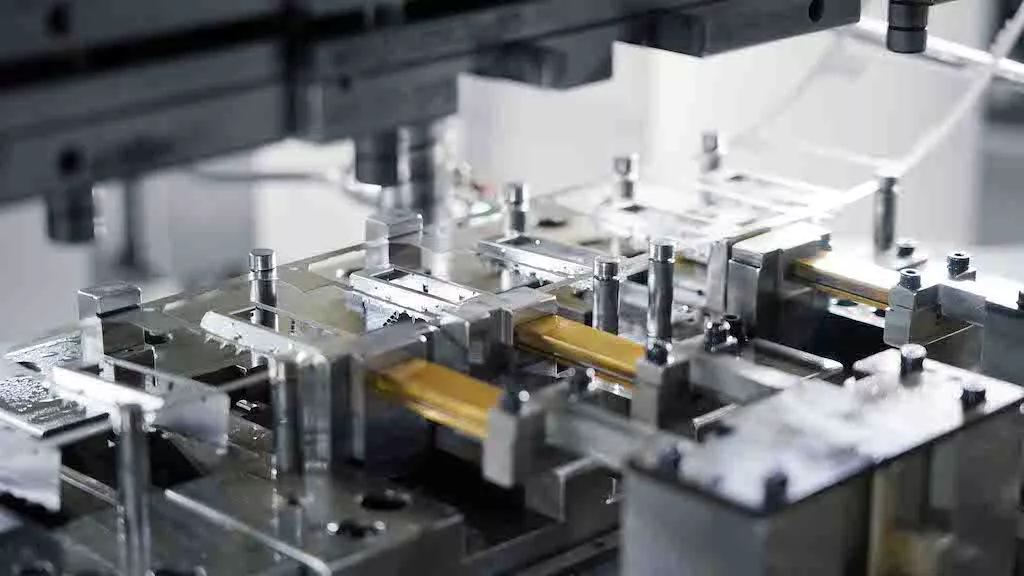
Comparing Pros and Cons
| Feature | Hydraulic Press | Mechanical Press |
|---|---|---|
| Speed | Slower, adjustable | Very fast, fixed |
| Force Control | Variable, precise | Fixed, less flexible |
| Best For | Complex, deep, or thick parts | High-volume, simple shapes |
| Maintenance | Hydraulic fluid and seals | Clutches, bearings, brakes |
| Noise & Vibration | Lower | Higher |
| Initial Cost | Lower | Higher |
| Operating Cost | Higher for long runs | Lower per part (high volume) |
Making the Right Choice for Your Application
Selecting between hydraulic and mechanical presses depends on your production goals, part complexity, material type, and budget. For operations requiring flexibility, precision, and the ability to handle a variety of materials, hydraulic presses are often the better choice. If your priority is speed and high-volume output with consistent part shapes, mechanical presses typically deliver superior efficiency.
It’s also important to consider secondary factors such as available floor space, operator skill level, and the potential need for future process changes. For further insights into maintaining quality and minimizing defects, review these tips on how to minimize burrs in stamped parts and how to inspect stamped steel parts for quality.
FAQ
What are the main advantages of hydraulic stamping presses?
Hydraulic presses offer precise control over force and stroke, making them ideal for deep drawing, forming thick or high-strength materials, and producing parts with complex shapes. They are also quieter and generate less vibration compared to mechanical presses.
When should a mechanical stamping press be used?
Mechanical presses are best for high-volume production of simple, shallow parts where speed and consistency are critical. Their rapid cycling and efficiency make them the preferred choice for automotive, appliance, and consumer goods manufacturing.
How do maintenance requirements differ between the two press types?
Hydraulic presses require regular checks of hydraulic fluid, seals, and hoses to prevent leaks and maintain performance. Mechanical presses need more frequent attention to moving parts like clutches, bearings, and brakes due to the high-speed, repetitive motion involved in their operation.
Are there safety differences between hydraulic and mechanical presses?
Both types require robust safety measures, but hydraulic presses generally have more built-in safety features due to their slower operation and controllable force. Regardless of press type, always follow recommended safety protocols and consider reviewing safety precautions for metal stamping machinery.