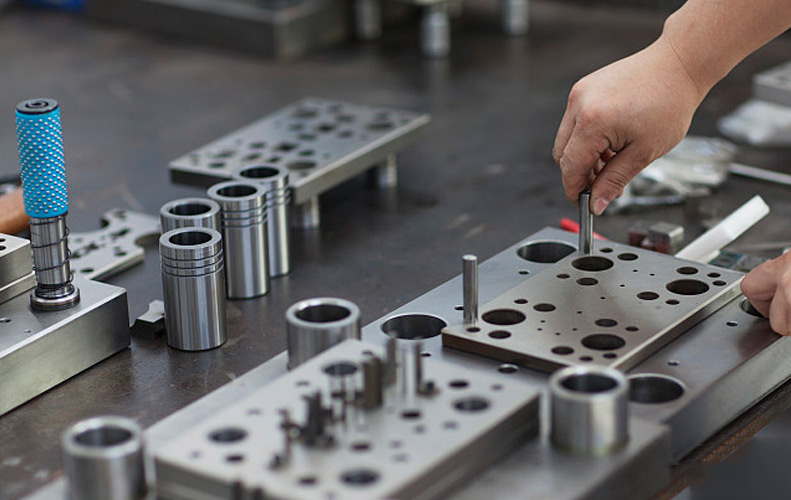
Ensuring the quality and accuracy of stamped steel parts is fundamental for manufacturers, suppliers, and end-users alike. Reliable inspection practices help prevent costly defects, maintain tight tolerances, and uphold safety standards in industries ranging from automotive to electronics. This guide outlines practical steps and proven techniques for evaluating stamped components, highlighting what to look for and how to address common issues.
Whether you are overseeing production, managing procurement, or performing quality control, understanding how to inspect stamped steel parts for quality can significantly reduce rework and improve overall product performance. For those interested in the broader context of automation and process optimization, the automated steel stamping systems overview offers valuable insights into modern manufacturing advancements.
Why Inspection Matters in Steel Stamping
Inspection is more than a formality—it’s a critical step in ensuring that each part meets design requirements and functional expectations. Defective or inaccurate stamped components can lead to assembly failures, increased scrap rates, and even safety hazards. By implementing robust inspection protocols, manufacturers can:
- Detect dimensional inaccuracies before assembly
- Identify surface defects such as burrs, cracks, or corrosion
- Verify material properties and surface finishes
- Ensure compliance with industry standards and customer specifications
Key Steps to Assessing Stamped Steel Part Quality
The process of evaluating stamped parts involves several stages, from visual checks to precise measurements. Here are the essential steps to follow:
1. Visual Inspection for Surface Defects
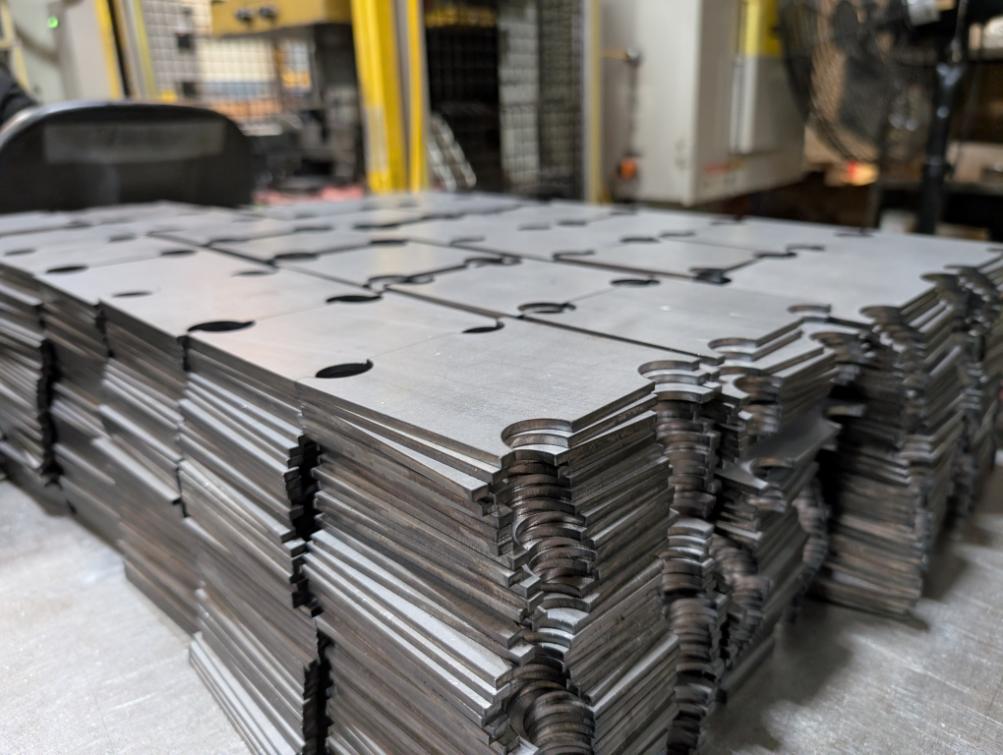
Begin by examining each component for visible flaws. Look for surface irregularities such as scratches, dents, rust, or discoloration. Pay special attention to edges and corners, as these areas are prone to burrs and cracks. Consistent lighting and magnification tools can help reveal subtle imperfections.
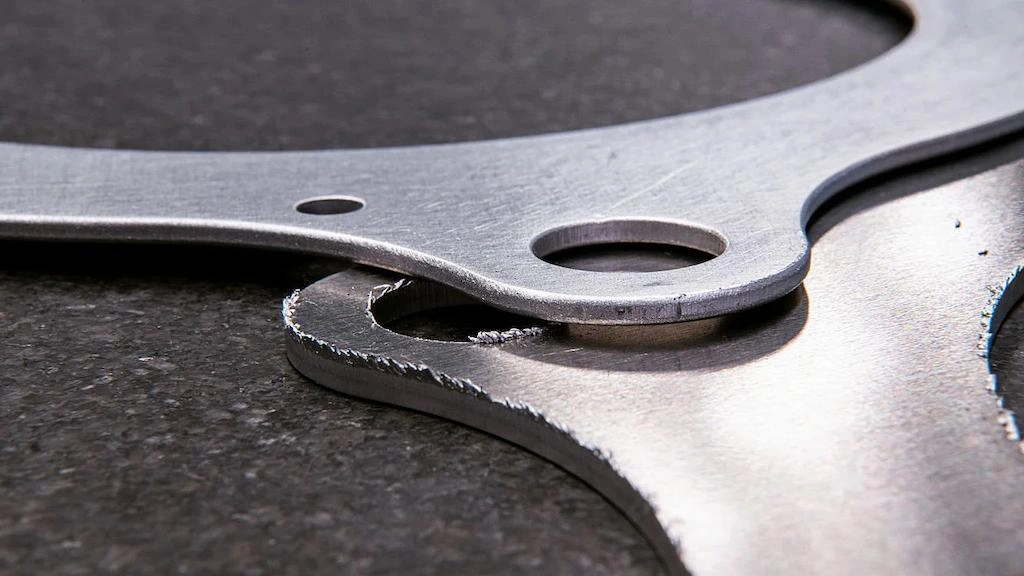
Burrs, in particular, can compromise fit and function. For practical advice on minimizing these defects, refer to the how to minimize burrs in stamped parts resource, which covers edge quality tips and preventive measures.
2. Dimensional Verification and Tolerance Checks
Accurate dimensions are crucial for parts that must fit or assemble with other components. Use calibrated measuring tools such as calipers, micrometers, or coordinate measuring machines (CMM) to check critical features. Compare the results against engineering drawings or CAD data, paying close attention to:
- Hole diameters and locations
- Bend angles and radii
- Overall length, width, and thickness
- Flatness and parallelism
Document all measurements and flag any deviations that exceed allowable tolerances. This data-driven approach helps maintain consistency and traceability throughout production.
3. Assessing Material Properties and Surface Finish
The integrity of stamped steel parts depends not only on shape but also on material characteristics. Verify that the correct steel grade and hardness have been used, as specified in the design. Surface finish is another important aspect—smooth, uniform finishes reduce friction and improve corrosion resistance.
Common methods for evaluating surface finish include tactile comparison, profilometry, or visual standards. If coatings or treatments are applied, inspect for uniform coverage and adhesion.
Advanced Techniques for Accurate Quality Control
As production volumes increase, manual inspection alone may not be sufficient. Incorporating advanced technologies can enhance both speed and reliability:
- Automated vision systems for rapid defect detection
- Laser scanning for high-precision dimensional analysis
- Statistical process control (SPC) to monitor trends and prevent defects
- Non-destructive testing (NDT) such as ultrasonic or dye penetrant inspection for hidden flaws
For those managing high-volume operations, the best practices for high-volume steel stamping article provides actionable strategies to streamline inspection and maintain quality at scale.
Common Defects and How to Address Them
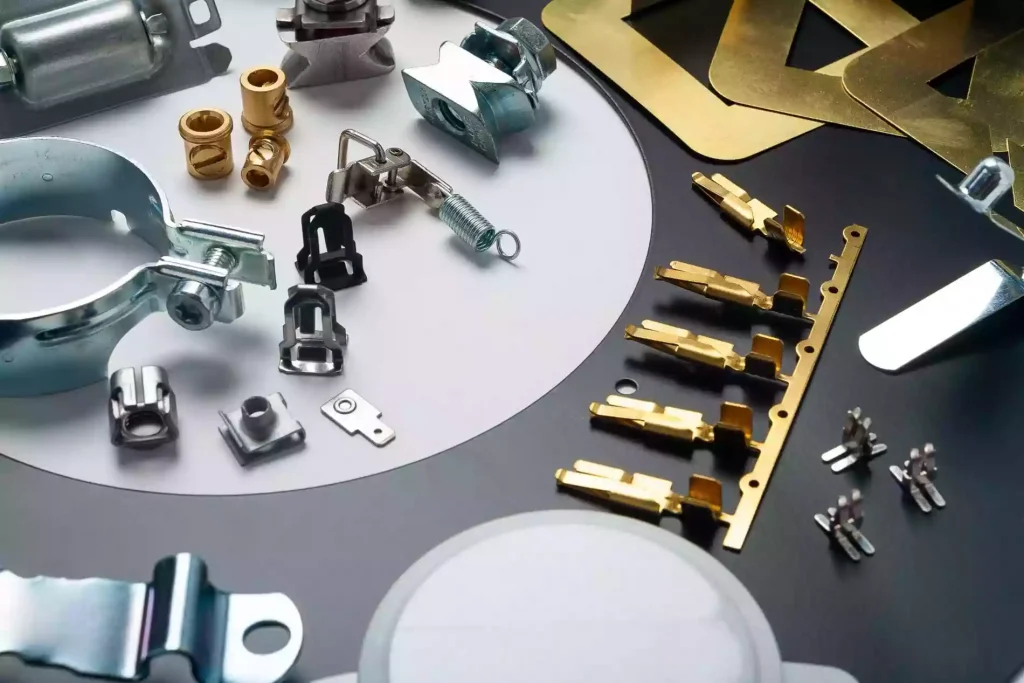
Even with robust processes, certain issues can arise during stamping. Recognizing and addressing these problems early is key to maintaining product integrity. Typical defects include:
- Burrs: Raised edges or material left after cutting. Can be reduced by optimizing die design and regular maintenance.
- Cracks: Often caused by excessive force or improper material selection. Adjusting press settings and using appropriate steel grades can help.
- Deformation: Warping or bending outside of specified tolerances. Ensure correct die alignment and monitor press parameters.
- Surface scratches: May result from handling or tool wear. Implement protective measures and inspect tooling regularly.
For a deeper dive into process optimization, the steel stamping design for manufacturing tips resource covers design considerations that help prevent these issues from the outset.
Ensuring Safety and Compliance in Stamping Operations
Quality inspection is closely linked to workplace safety and regulatory compliance. Defective parts can compromise not only product performance but also operator safety. To learn more about maintaining safe practices in production, review this comprehensive guide on safety in steel stamping parts production.
Regular training, clear documentation, and adherence to standards such as ISO 9001 or IATF 16949 further support a culture of quality and accountability.
Integrating Inspection into the Manufacturing Workflow
Effective inspection should be an ongoing process, not a one-time event. Integrate quality checks at multiple stages—receiving, in-process, and final inspection—to catch issues early and reduce downstream costs. Use checklists and standardized procedures to ensure consistency across shifts and teams.
Collaboration between design, production, and quality teams is essential. Feedback loops help identify recurring problems and drive continuous improvement.
Frequently Asked Questions
What are the most critical dimensions to check on stamped steel parts?
The most important dimensions typically include hole locations and diameters, bend angles, material thickness, and overall part size. These features directly affect assembly and function, so they should be measured with precision tools and compared to design specifications.
How can I detect hidden defects that are not visible to the naked eye?
Non-destructive testing methods such as ultrasonic inspection, dye penetrant testing, or X-ray analysis can reveal internal cracks, voids, or inclusions. Automated vision systems and laser scanning can also help identify subtle surface or dimensional anomalies.
How often should inspection procedures be updated?
Inspection protocols should be reviewed regularly—at least annually or whenever there are changes in design, materials, or production methods. Continuous improvement and feedback from quality data can drive updates to ensure ongoing effectiveness.
Conclusion
Mastering the process of how to inspect stamped steel parts for quality is essential for delivering reliable, high-performance products. By combining visual checks, precise measurements, and advanced technologies, manufacturers can detect defects early, maintain tight tolerances, and ensure compliance with industry standards. Integrating inspection into every stage of production not only safeguards quality but also supports efficiency and customer satisfaction.