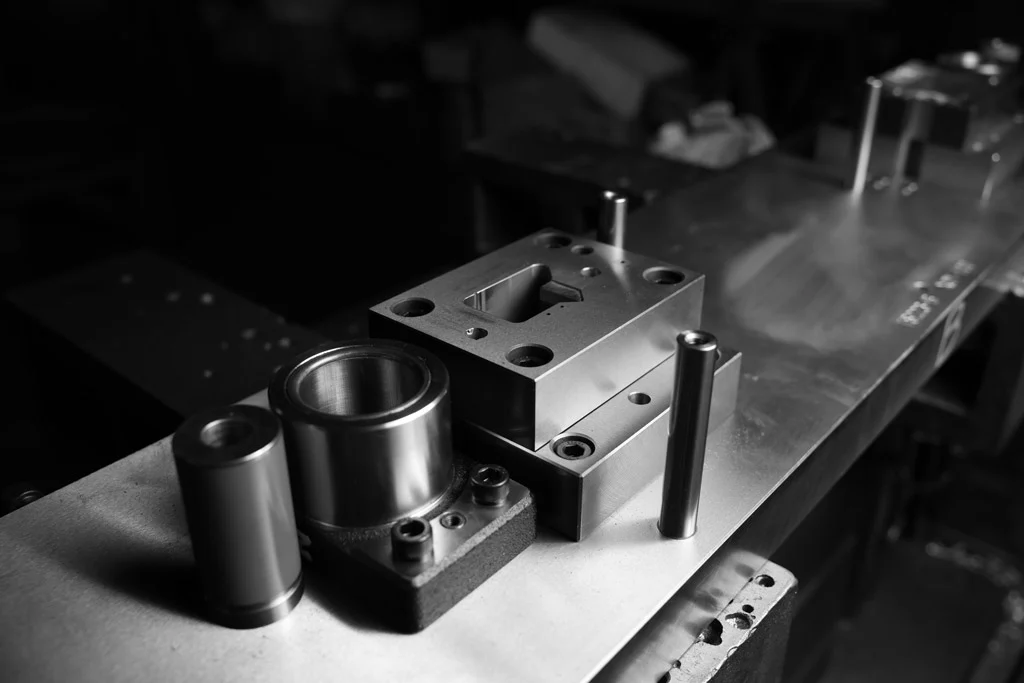
Achieving efficient, cost-effective, and high-quality results in metalworking relies heavily on the principles of steel stamping design for manufacturing tips. For engineers, designers, and manufacturers, understanding how to optimize part geometry, material selection, and tooling from the earliest stages can mean the difference between a smooth production run and costly setbacks. This guide explores practical advice and actionable strategies for improving manufacturability, reducing waste, and ensuring consistent product quality in steel stamping projects.
Whether you are refining an existing component or developing a new part, applying DFM best practices can help you avoid common pitfalls and streamline the transition from concept to production. For a deeper dive into the fundamentals of the process, see our what is steel stamping process resource.
Understanding DFM in Steel Stamping
Design for Manufacturing (DFM) is a core engineering approach that emphasizes creating parts that are easy and economical to produce. In the context of steel stamping, DFM involves tailoring part features, tolerances, and material choices to the realities of stamping presses, dies, and downstream processes. By considering manufacturability from the outset, teams can minimize rework, reduce lead times, and lower costs.
Early collaboration between design and production teams is essential. Open communication helps identify potential challenges, such as complex bends or tight tolerances, before they become expensive problems. For ongoing reliability, it’s also important to follow a comprehensive steel stamping die maintenance guide to keep tooling in optimal condition.
Key Principles for Effective Steel Stamping DFM
The following sections outline actionable steel stamping design for manufacturing tips that can be applied to most projects, regardless of industry or part complexity.
1. Simplify Part Geometry
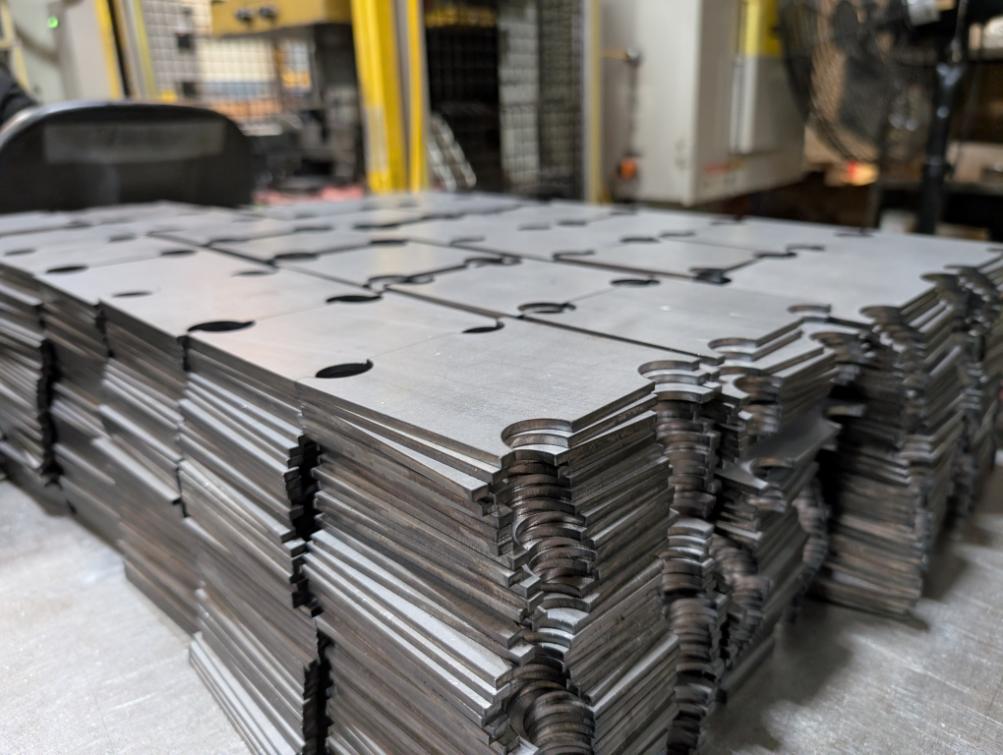
Simple, well-thought-out shapes are easier to stamp and result in fewer defects. Avoid unnecessary features such as deep draws, sharp corners, or intricate cutouts unless they are essential for function. Rounded corners and generous radii not only improve material flow but also extend die life and reduce the risk of cracking.
2. Optimize Material Selection and Thickness
Choosing the right steel grade and thickness is crucial. While thinner materials can lower costs and reduce press tonnage requirements, they may not always provide the necessary strength or rigidity. Conversely, thicker materials can increase tooling wear and require more robust equipment. Work closely with suppliers to select materials that balance performance, cost, and manufacturability.
3. Design for Tooling Longevity
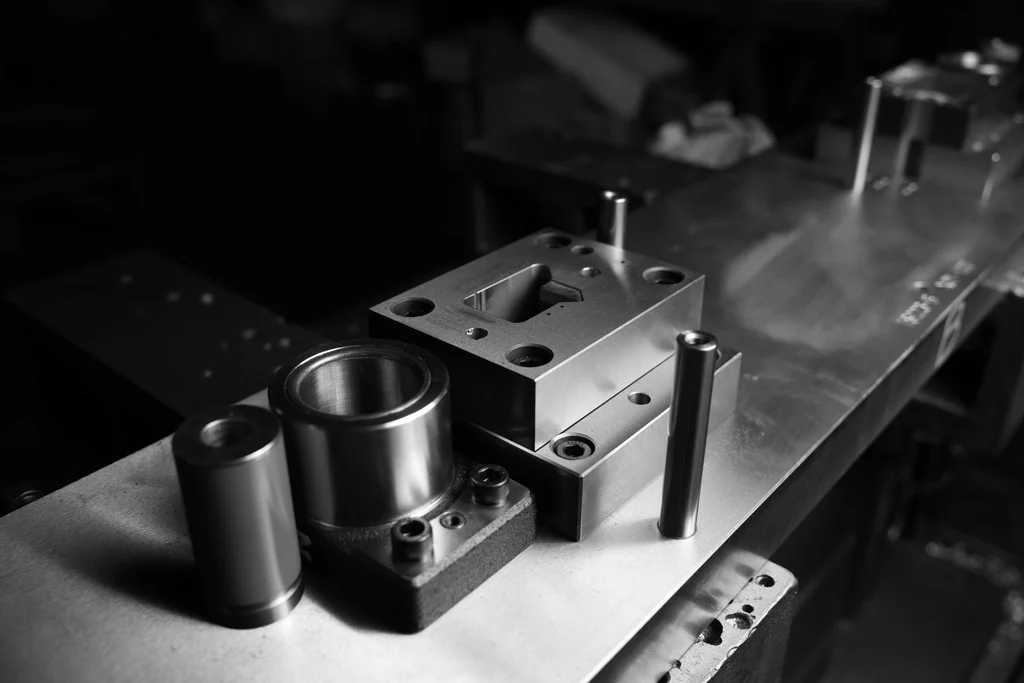
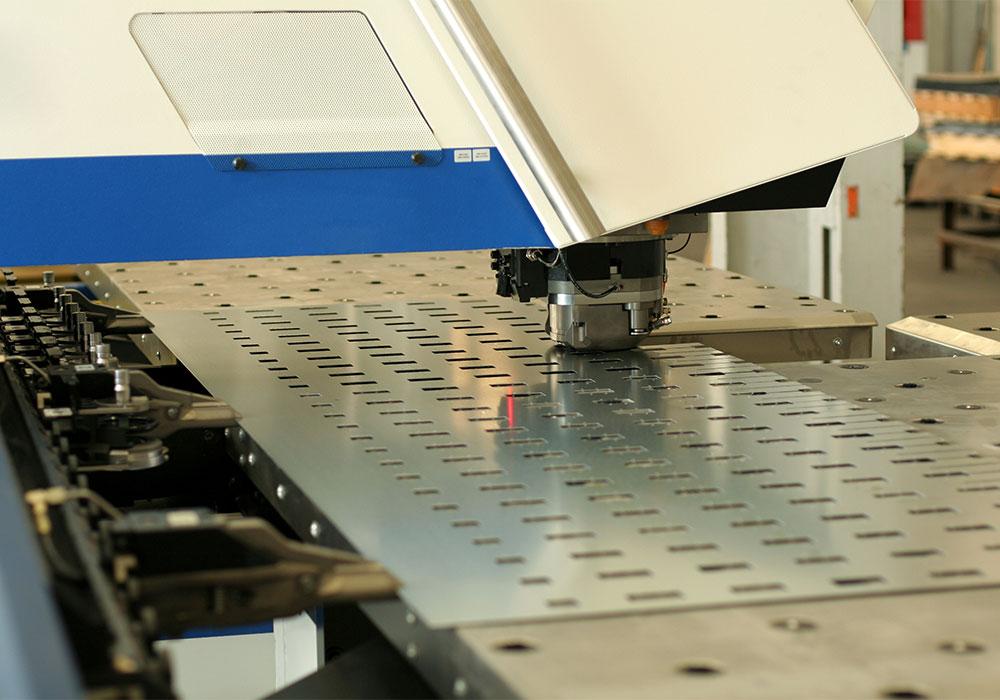
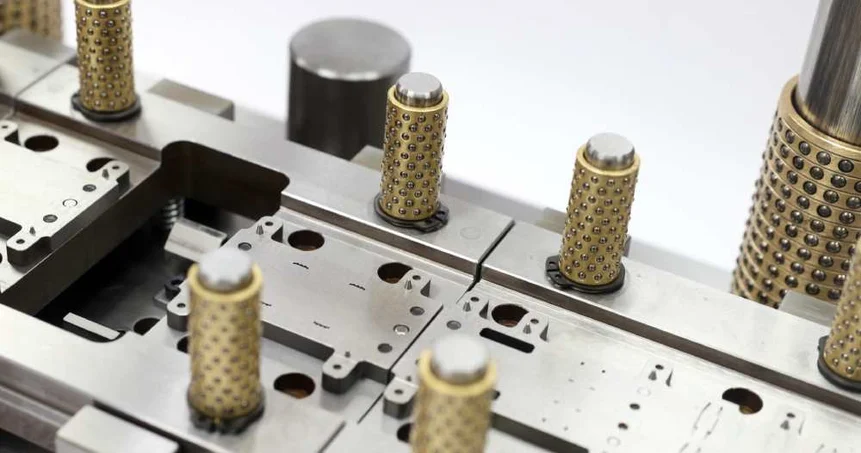
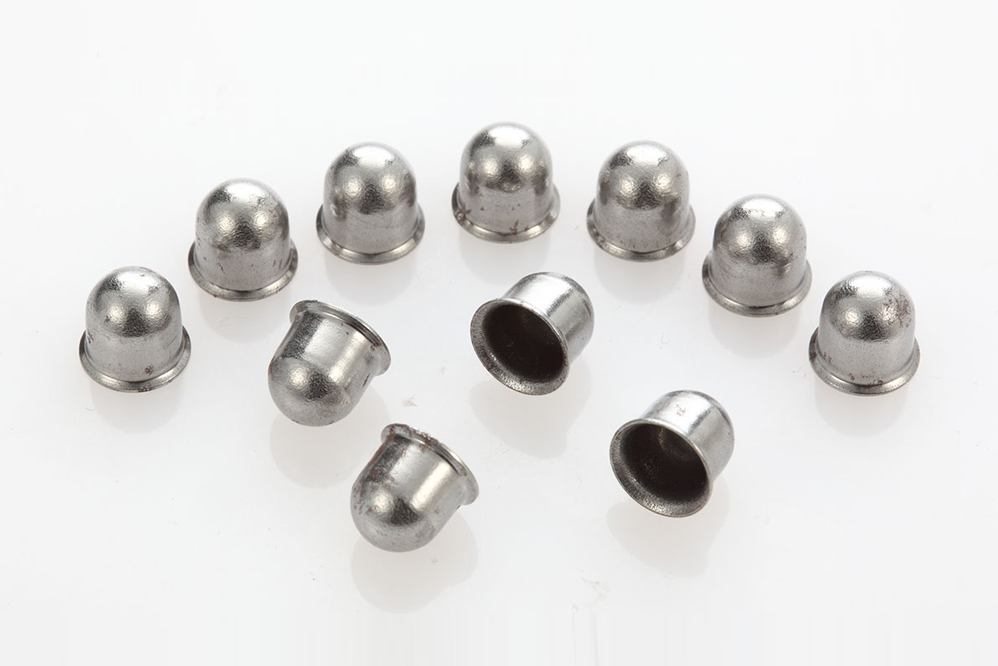
Tooling is a significant investment in any stamping operation. To maximize die life, avoid features that require excessive force or create uneven wear. For example, staggered holes, deep embosses, or very close tolerances can accelerate tool degradation. Where possible, standardize hole sizes and locations, and use common punch and die shapes.
Regular maintenance and inspection are also vital. For more on preventing premature tool failure and ensuring consistent quality, review our advice on common defects in steel stamping and how to fix them.
4. Account for Material Flow and Springback
Steel behaves differently under stress, and factors like grain direction, thickness, and alloy composition can affect how it forms. Anticipate springback—when the material partially returns to its original shape after forming—by adjusting bend allowances and radii in your design. Simulation software and prototyping can help validate assumptions before committing to production tooling.
5. Specify Realistic Tolerances
Overly tight tolerances drive up costs and increase the risk of rejects. Instead, specify the loosest tolerances that still meet functional requirements. This approach not only simplifies manufacturing but also allows for greater process flexibility and higher yields.
Best Practices for Manufacturability and Quality
Beyond the core design considerations, several best practices can further enhance manufacturability and ensure consistent quality in steel stamping operations.
- Standardize Features: Use industry-standard hole sizes, slots, and fastener types whenever possible to reduce tooling complexity and costs.
- Minimize Secondary Operations: Design parts so that all features can be produced in a single stamping operation, minimizing the need for additional machining or finishing.
- Plan for Automation: If high volumes are expected, design parts and tooling to accommodate automated feeding, stacking, and inspection systems.
- Document Critical Dimensions: Clearly identify which dimensions are most critical for fit and function, and communicate these to both tooling and quality teams.
Safety and Process Control in Steel Stamping
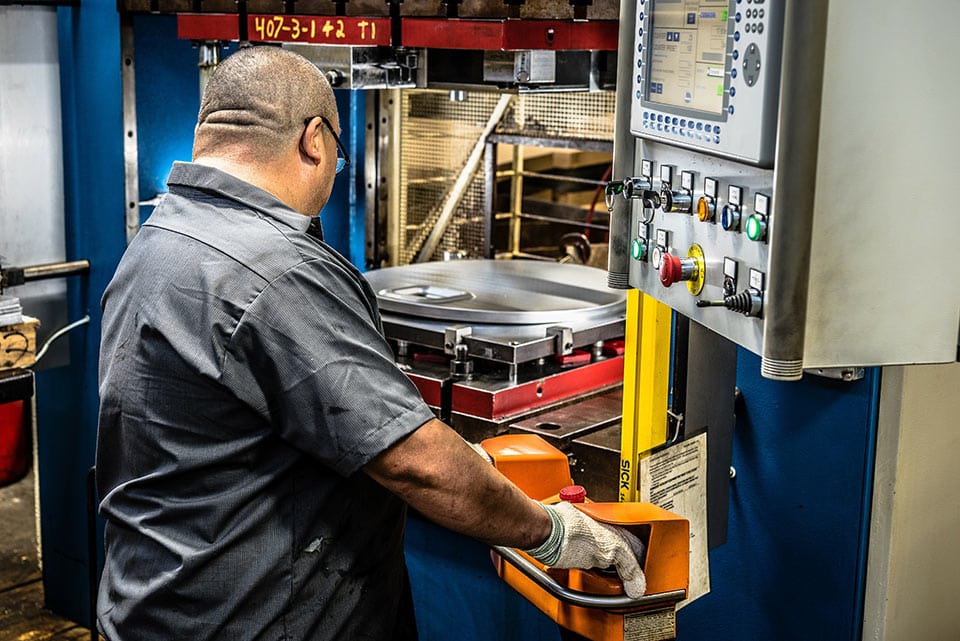
Safe and controlled processes are essential for both product quality and worker well-being. Adhering to established safety protocols, such as those outlined in safe practices of a precision metal stamper, helps prevent accidents and ensures consistent results.
Implementing process controls—such as in-line inspections, real-time monitoring, and statistical process control—enables early detection of issues and minimizes scrap. Training operators on both safety and quality standards is equally important for maintaining a reliable production environment.
Common Pitfalls and How to Avoid Them
Even experienced teams can encounter challenges in steel stamping projects. Here are some frequent pitfalls and strategies to avoid them:
- Overcomplicating Designs: Unnecessary complexity increases costs and risk. Focus on essential features.
- Ignoring Material Variability: Always account for differences in material batches and suppliers.
- Neglecting Tool Maintenance: Regularly inspect and service dies to prevent unexpected downtime and defects.
- Poor Communication: Foster collaboration between design, tooling, and production teams to catch issues early.
Frequently Asked Questions
What is the main benefit of applying DFM principles in steel stamping?
The primary advantage is improved manufacturability, which leads to lower production costs, fewer defects, and faster time-to-market. By considering manufacturing constraints from the start, teams can avoid costly redesigns and streamline the entire process.
How can I reduce defects in stamped steel parts?
Focus on simple geometries, realistic tolerances, and proper material selection. Regular tool maintenance and in-process inspections also play a critical role in minimizing defects. For troubleshooting, refer to our guide on addressing common stamping defects.
Why is material selection so important in stamping projects?
The chosen steel grade and thickness affect formability, strength, and tool wear. Selecting the right material ensures that parts meet performance requirements while keeping production efficient and cost-effective.
How can I ensure my design is suitable for high-volume stamping?
Standardize features, minimize secondary operations, and design for automation. Early collaboration with tooling and production experts will help identify and resolve potential bottlenecks before scaling up.
By following these steel stamping design for manufacturing tips and best practices, manufacturers can achieve reliable, cost-effective, and high-quality results in their metalworking projects.